The Modern Hierarchy of Professional Wrestling
The status of a top-tier performer in 2026 relies on a volatile mix of in-ring longevity, media presence, and narrative agency. As Wrestling News reports, the line between retirement and comeback stories creates the most engagement in the sport today.
This list ranks stars based on their current influence, professional leverage, and the sheer ability to hold audience attention amidst a saturated media environment. We prioritize those who dictate the terms of their own creative direction.
The Ranking of Elite Talent
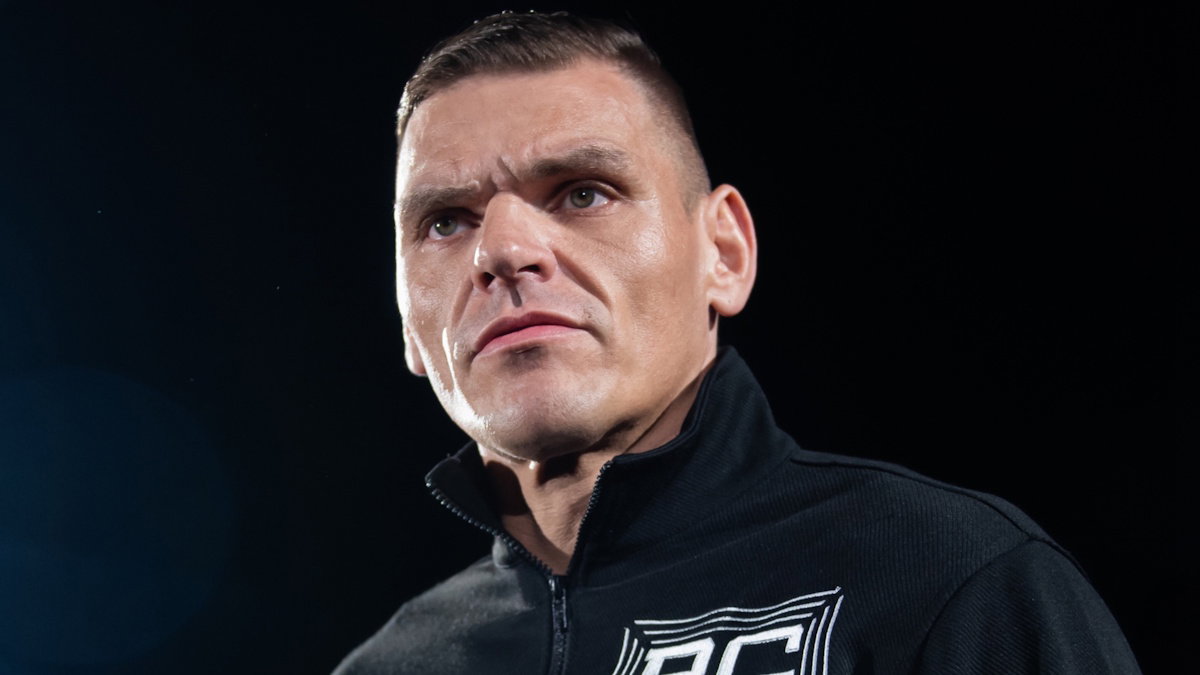
1. GUNTHER. His ability to turn a singles match into a definitive career-ending moment for veterans makes him the most dangerous man on the roster. By maneuvering his way into retirement storylines, he secures his position as the primary hurdle for any talent wanting to make a mark.
2. Paige. Returning to her roots after a stint in AEW proved that some stars simply possess a magnetism that defies corporate branding. Her recovery and subsequent re-emergence underscore how star power transcends specific company rosters, despite her expressed dissatisfaction with her previous tenure.
3. AJ Styles. Even when facing the reality of a sunset on his career, his willingness to curate his exit at the hands of heavy hitters like GUNTHER displays a mastery of the craft. Styles understands that the end of a legacy can be just as profitable as the climb to the top.
4. Cody Rhodes. The undisputed face of the modern product remains the gold standard for consistency and promo delivery. His transition into the current hierarchy has been seamless, though his reliance on legacy tropes remains a point of contention for skeptical observers.
5. Seth Rollins. His work ethic remains unchanged, yet his rotation between high-profile feuds often feels like a holding pattern. While he delivers every time the bell rings, the lack of a clear, fresh objective beyond defending the status quo impacts his momentum.
6. Rhea Ripley. She commands the room with a presence that has not yet been replicated by anyone in the women’s division. Her dominance is undeniable, but it relies on an aggressive booking style that threatens to run dry on credible opponents by the end of the year.
7. Drew McIntyre. His frustration with the current booking of the Performance Center environment—specifically the friction between amateurs and indie lifers—reflects his status as the bridge between eras. He is the last of the hardened road warriors, yet his tendency to lose major matches drags down his perceived stakes.
8. CM Punk. The chaos factor is high, but his reliability on the road continues to be a legitimate concern for any promotion. When he is focused, he is the best talker in the building, but the baggage he carries is a heavy cost for any creative team.
9. Jade Cargill. Her meteoric rise from sport to screen is built on pure physical presence. While her movement remains occasionally unpolished compared to technical veterans, her draw potential in key markets like New York and Los Angeles balances the scales.
10. Jake Hager. While his pivot to the Power Slap circuit invites ridicule, it highlights the desperate search for relevancy among mid-card veterans. As noted in recent interviews, his transition shows a unique, albeit questionable, path to maintaining a brand outside the ring.
The Big Picture: Managing Burnout
The industry is currently grappling with a severe identity crisis regarding talent autonomy. When stars like Paige report that their hearts weren't in their work, it signals that the industry's engine is burning out the very people holding it together. The next year will be defined by who can sustain their hunger beneath the weight of relentless tour schedules and increasing external competition.
Honorable Mentions: Kevin Owens, who refuses to change his style for anybody; Bron Breakker, the current standard for the next generation of power athletes; and Roman Reigns, who remains in a self-imposed limbo that leaves him sidelined despite his influence.