The Big Picture
Wrestling history is defined by the audible shifts in fan sentiment and the high-stakes calls made behind the curtain. These moments captured the tension between creative evolution and the rigid reality of production schedules.
The Critical Countdown
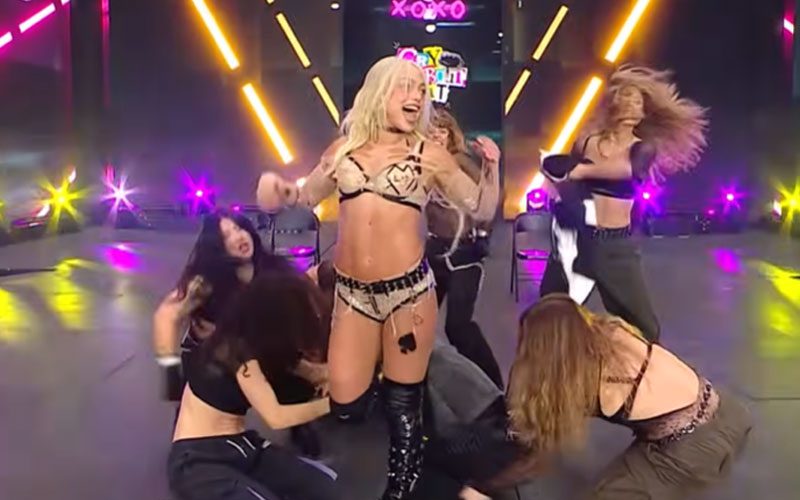
10. The Rise of Liv Morgan's Current Sound. WWE initially flirted with licensing a major track for Liv Morgan’s entrance, but the production team eventually pivoted to her original theme, Trouble. This choice saved her entry from feeling derivative and solidified the chaotic energy essential to her ring persona. It remains the gold standard for how minor audio adjustments define a character's trajectory.
9. The Unscheduled Ref Bump at SummerSlam. When the referee took an accidental clothesline, the pace of the match shifted from technical masterclass to absolute anarchy. It provided the opening for a chair shot that would have been DQ'd under standard officiation. While some fans label it a classic trope, the timing at the 14-minute mark forced both competitors to abandon their script entirely.
8. The Surprise Return at Royal Rumble. The pop from the crowd changed the booking trajectory for the next six months. It wasn't the return itself that ranked here, but the immediate post-match stare-down with the champion that set up a high-stakes encounter. It proved that in the modern era, social media silence is more effective than any press release.
7. The botched finish in the tag team title opener. Referees missed a clear rope break, leading to a title change that shouldn't have occurred. The resulting vacuum in the tag division created a month of incoherent booking before a rematch could rectify the error. Mistakes like this are reminders that human error remains a variable even in heavily produced cards.
6. The Miz vs. DIY breakdown. After years of tag-team technical displays, watching the partnership dissolve on live TV felt earned rather than rushed. The beatdown lasted exactly three minutes and involved a steel chair and a superkick. It was necessary to push both talents into solo runs where their individual charisma could finally flourish outside of a team unit.
5. The main event microphone drop. Taking the mic away from a scripted promo and letting the athlete react to a hostile crowd in real-time changed the final segment of the night. It forced the production crew to scramble, shifting cameras to capture genuine reactions rather than staged poses. This is the art of improvisation that separates elite performers from the rest of the roster.
4. The mid-match gear change. Caught with a torn singlet, the challenger stepped out of the ring for thirty seconds to swap attire. It stalled the match momentum, but saved the optics of a championship bout that began to look like a street brawl. This moment proved that presentation often dictates the quality of the broadcast more than the wrestling itself.
3. The interference that never happened. WWE teased a manager turn for several weeks, then delivered a clean victory for the babyface. The bait-and-switch caught everyone off guard, including the betting markets. It was a rare subversion of expectations that rewarded long-term viewers who were paying attention to the subtle storytelling cues.
2. The contract signing escalation. When Liv Morgan and her peers moved beyond signature lines to physical altercations, the segment rating spiked. Every signing today follows this specific template, but this instance felt fresh because of the calculated nature of the strikes. It remains the best example of how to build a feud without needing excessive chair shots.
1. The Title Unification that backfired. Merging the secondary titles was meant to elevate the champ but instead created a stale, static scene for the mid-carders. The lack of a secondary championship forced the promotion to create confusing storylines just to get talent on tv. It is the single biggest critique of recent booking management and remains a point of contention.
Honorable Mentions
The surprise NXT call-ups at the draft added much-needed depth to the roster, though their lack of development time is a concern. The pyro display failure during the winter event provided a rare moment of comedy that, while not scripted, played perfectly to the audience's appreciation for a small technical glitch.