The Big Picture
The wrestling calendar is hitting its boiling point as we close in on WrestleMania 41 weekend in Las Vegas. With the massive premium live event kicking off on April 19, the entire industry is shifting gears. The road to Vegas hasn't just been paved by WWE's main roster, but by the ripple effects of the WWE ID program, AEW's strategic moves, and the final run of a generational icon.
From the corporate meddling that nobody asked for to the in-ring classics we didn't know we needed, the last few months have delivered. But it hasn't all been perfect. The execution of certain developmental initiatives has left a lot to be desired, and some major booking decisions have felt entirely forced. Let's break down the top 10 moments that have defined this frantic march toward the spring of 2026.
10. AEW Dynasty's Kansas City Gamble
AEW deciding to drop Dynasty 2026 right in the middle of Kansas City on March 30 is a fascinating roll of the dice. We are literally days away from this premium live event, and the build has felt completely overshadowed by the looming specter of WrestleMania.
Tony Khan has booked a card heavily reliant on in-ring workrate to counter-program WWE's story-heavy approach. Putting on 30-minute classics doesn't always translate to immediate buzz when the casual audience is completely focused on Vegas. It is a stubborn reminder that AEW still books for its hardcore base, even to its own financial detriment.
9. The Evolve Throwback and Team PC
Nobody expected the ghosts of Evolve to come marching back onto our screens, but the recent integration of the Team PC concept into the current independent circuit has been a wild ride. It was a polarizing move back in November 2025, and it remains heavily criticized today for feeling like a sanitized corporate invasion of local wrestling.
The idea was to give developmental talent some much-needed reps in front of hostile crowds. Instead, it mostly resulted in awkward stylistic clashes where polished rookies failed to connect with crowds looking for unprotected chair shots. It was an ambitious misfire that proved WWE still doesn't quite understand the indie mentality.
8. Drew McIntyre's Relentless Hatred
If there is one thing that has remained consistently excellent, it is Drew McIntyre's absolute refusal to let anything go. His character work over the last few months has been a masterclass in justified villainy.
McIntyre isn't just cutting promos; he is actively destroying the mental fortitude of his opponents through targeted, hyper-specific grievances. He brings up exact dates, failed contract negotiations, and legitimate backstage heat to blur the lines of reality. It makes his eventual matches feel incredibly dangerous, separating him from the rest of the heavily scripted main event scene.
7. Will Ospreay's Iron Man Sprint
Will Ospreay has spent the early part of 2026 reminding everyone why he commands the highest price tag outside of WWE. His recent stretch of television matches has been nothing short of absurd, completely ignoring the traditional pacing of weekly TV.
He is wrestling pay-per-view caliber main events on random Wednesday nights, hitting a rolling elbow into a Code Red for a near-fall at 14 minutes into a match that had no business being that good. While some critics argue he is burning through his bump card too quickly, you cannot deny the sheer entertainment value. He is carrying the in-ring reputation of an entire company on his shoulders.
6. Addressing the WWE ID Misconceptions
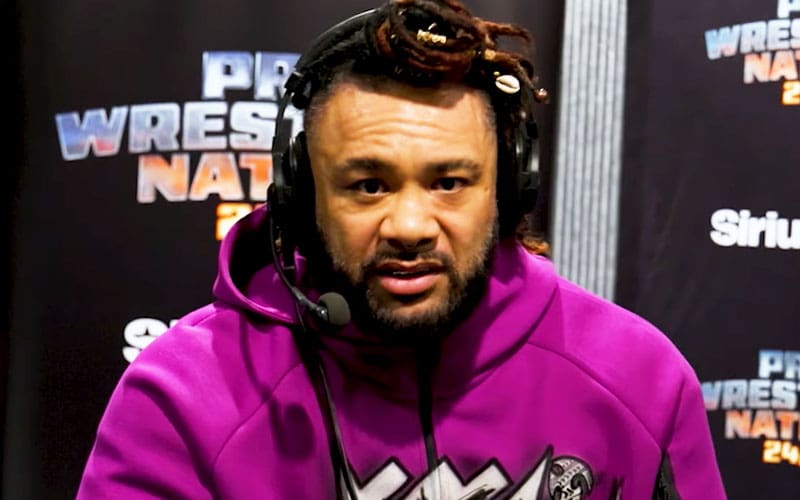
The noise surrounding WWE's latest talent acquisition strategy reached a fever pitch when a former champion had to publicly address the biggest misconceptions surrounding the WWE ID program. The core issue is that fans view this as a predatory tactic designed to monopolize the talent pool before AEW can even make an offer.
Management claims it is simply providing a structured pathway for athletes who lack traditional wrestling backgrounds. The truth is obviously somewhere in the middle, but the PR spin has been incredibly clumsy. It has alienated the exact hardcore fanbase they were trying to appease with these pseudo-independent partnerships.
The Top 5: Defining the Season
5. The Intercontinental Title Renaissance
Midcard titles usually exist as props to keep guys busy, but the Intercontinental Championship picture has recently evolved into the most compelling division in wrestling. We are seeing hard-hitting, 20-minute clinics that completely steal the show from the world title programs.
The current champion isn't just defending a belt; he is actively elevating the entire roster by forcing challengers to abandon their usual gimmicks and actually wrestle. It has created a desperate, competitive environment where a simple roll-up finish feels like a massive upset. This is exactly how you book a secondary title without making it feel secondary.
4. John Cena's Farewell Tour Reality Check
The nostalgia of John Cena's impending retirement tour hit a massive speed bump when the bell actually rang. We all want to remember him as the superhero who carried the company for a decade, but his recent in-ring performances have been uncomfortably slow.
He is clearly struggling to keep pace with the modern, hyper-athletic main event style, relying heavily on basic strikes and heavily choreographed sequences. It is a harsh reminder that Father Time is undefeated, even against the franchise player. WWE is now faced with the impossible task of hiding his physical limitations while delivering a satisfying conclusion to his legendary career.
3. The Bloodline's Exhausting Civil War
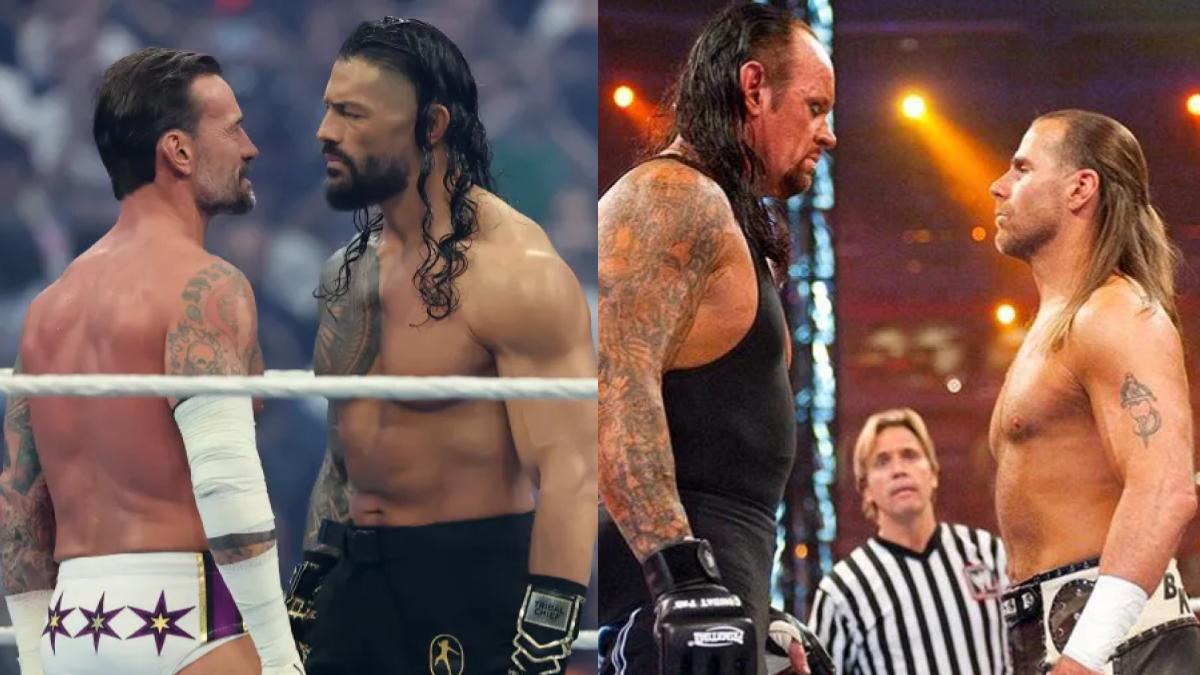
Roman Reigns and Cody Rhodes are locked onto a collision course for April 20, but getting there has been an absolute slog. The Bloodline storyline was once the pinnacle of episodic television, but it has completely overstayed its welcome over the last six months.
We are seeing the exact same run-ins, the exact same shocked facial expressions, and the exact same monologues week after week. It is lazy booking disguised as long-term storytelling. The eventual payoff in Las Vegas better be spectacular, because the weekly journey to get there has become a chore to sit through.
2. The Rise of the Anti-Hero
The traditional babyface is dead, and the crowd's reaction to the current crop of main eventers proves it. Fans are actively rejecting the smiling, high-fiving protagonists in favor of violent, flawed characters who actually show some edge.
This shift has completely derailed several planned pushes, forcing management to frantically pivot their WrestleMania plans. You cannot script organic popularity, and the audience has made it perfectly clear that they want grimy, authentic conflict over polished corporate catchphrases. It is a fascinating rebellion against the machine that happens every few years.
1. CM Punk's Vegas End Game
Everything changes when CM Punk is genuinely motivated, and his current trajectory heading into April 19 is the most focused he has looked in a decade. He has completely abandoned the "happy to be here" veteran routine, tapping back into the venomous character that made him a star in the first place.
His promos aren't just good; they are surgical strikes that systematically dismantle the credibility of his opponents. This isn't a nostalgia act. He is operating at a level that demands the main event spotlight, setting up a clash in Las Vegas that feels historically significant.
Honorable Mentions
The recent surge in joshi talent making their way stateside cannot be ignored, even if the domestic booking hasn't quite figured out how to maximize their impact. Additionally, the quiet collapse of several notable independent promotions serves as a grim reminder of how fragile the wrestling economy remains outside of the major corporate bubbles.