The Big Picture
Championships are only as strong as the stories that surround them. Between injury voids, controversial booking shifts, and global cross-promotional teases, the status of major belts currently feels more fluid than at any point in the last decade.
This isn't just about who held the gold last week; it is about the structural weight of these titles as we navigate the road to WrestleMania 41. Some are prestige anchors, while others are currently bleeding credibility due to questionable creative direction.
The Rankings
1. GHC Heavyweight Championship: The recent teases of this belt crossing into WWE territories create a rare, volatile uncertainty in the international circuit. By bridging the gap between Japanese strong style and the American mainstream, this title has suddenly become the most discussed commodity in professional wrestling.
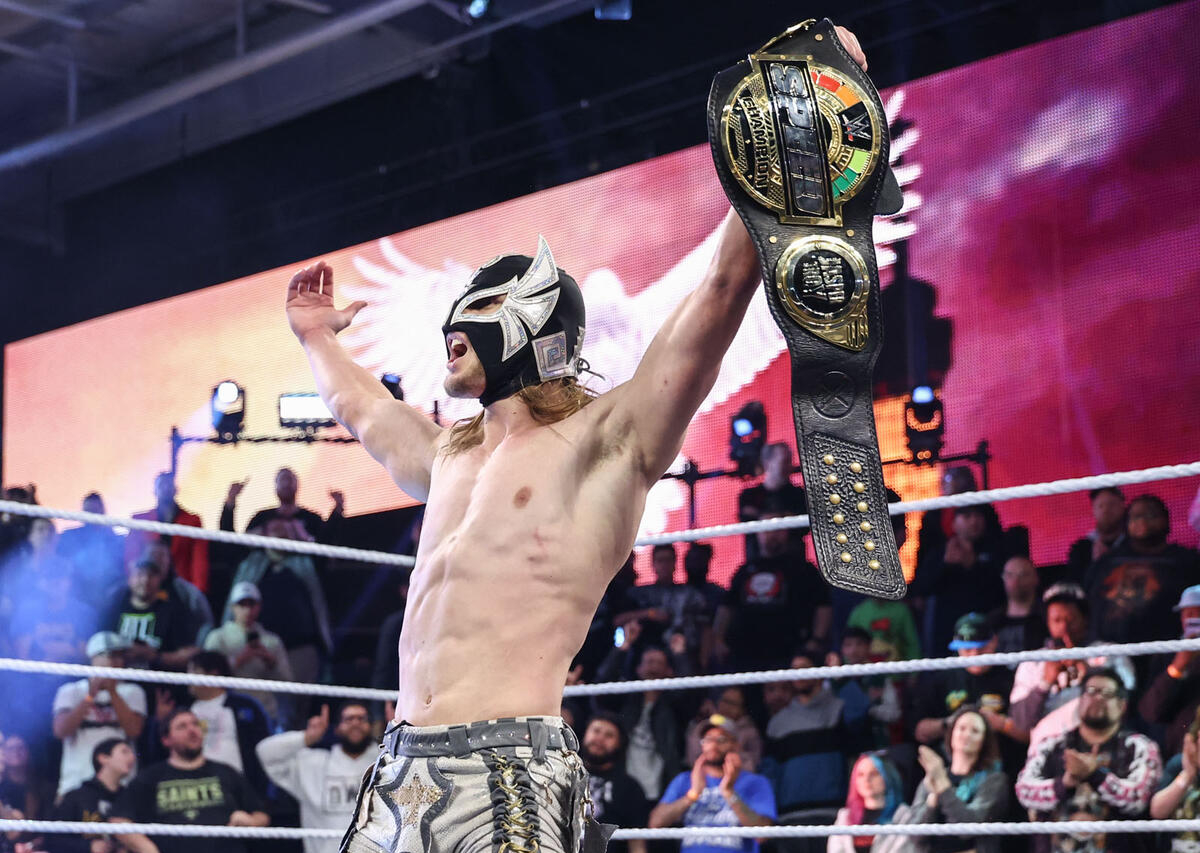
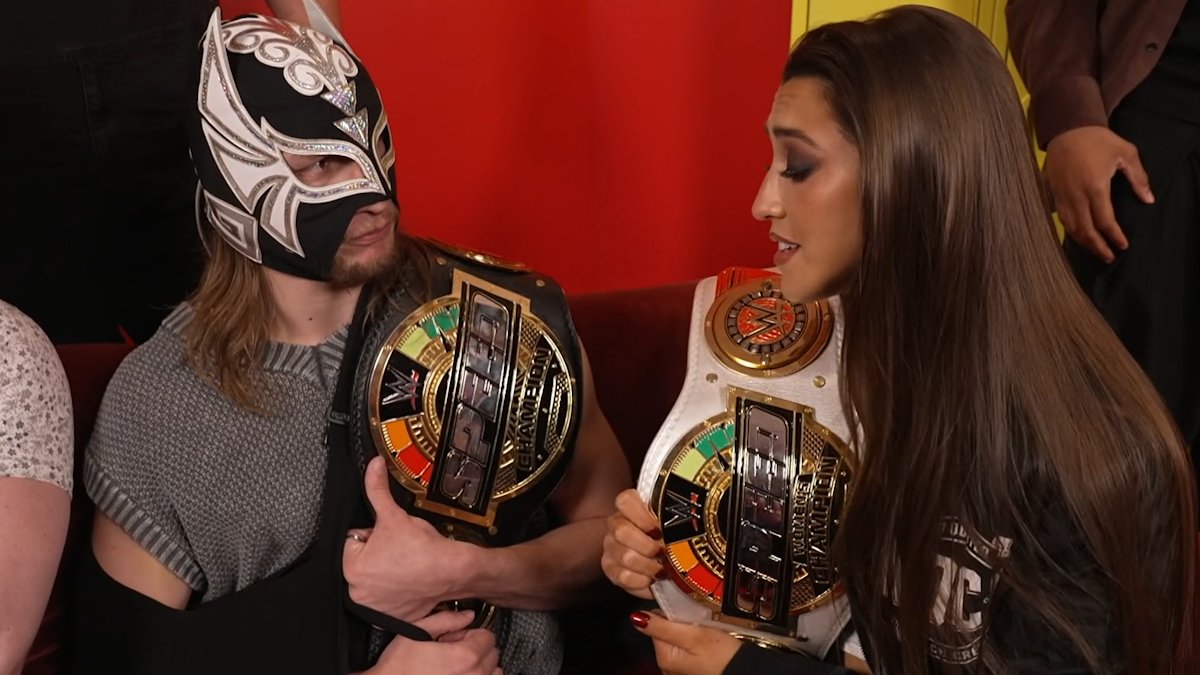
2. WWE Speed Championship: The sudden vacancy left by Elio LeFleur’s six-month injury turns a unique high-speed format into a messy transitional period. Without a champion to anchor the three-minute matches, the gimmick risks losing its identity entirely unless the next tournament is booked with immediate stakes.
3. WWE United States Championship: After Carmelo Hayes' loss on the March 27 edition of SmackDown, the belt is under intense scrutiny. While Hayes managed nine title defenses, critics like Vince Russo argue that his sudden defeat indicates a recurring lack of depth in how mid-card champions are elevated and eventually sacrificed.
4. TBS Championship: Mercedes Moné’s recent losses have effectively ended her path as a primary belt collector, signaling a contraction in her screen time dominance. Dropping this title exposes the vulnerability of performers who rely heavily on winning streaks to maintain persona momentum.
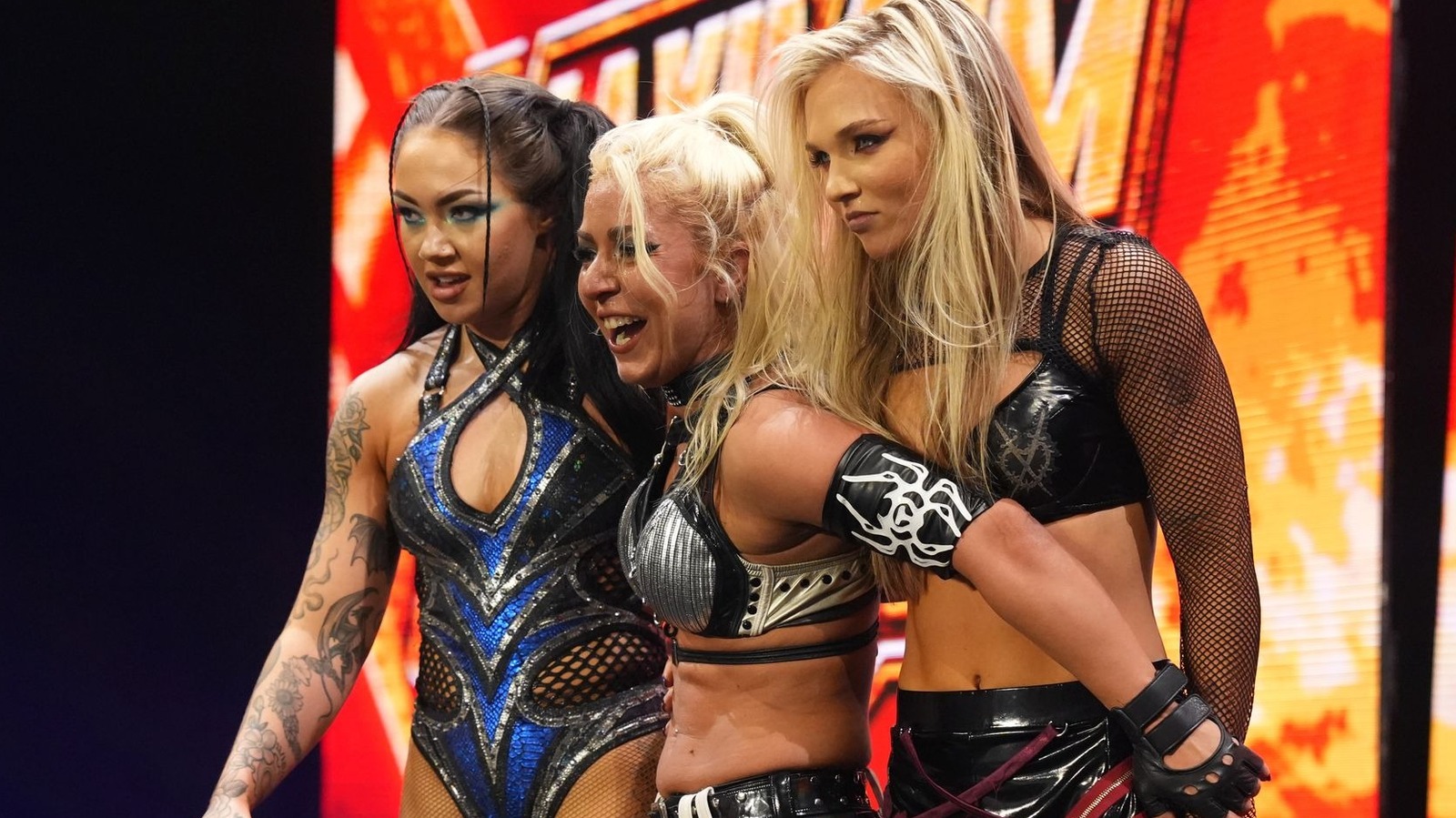
5. NXT Tag Team Championship: The division is currently in a state of flux following the fallout of tournament qualifying matches. When chaos erupts at the developmental level, it often signals a lack of clear long-term direction for the teams waiting in the wings.
6. WWE World Heavyweight Championship: This belt continues to suffer from the sheer shadow of the Undisputed Championship. Despite the technical prowess of the performers involved, the title needs a definitive, career-making rivalry to survive the inevitable focus shift toward WrestleMania season.
7. WWE Intercontinental Championship: The recent surge in physical intensity, particularly involving enforcers like Oba Femi, has injected needed grit. However, the reliance on authority-focused brawls often distracts from the actual wrestling quality required to keep the belt relevant to a modern audience.
8. AEW International Championship: Once the workhorse title of the promotion, it has struggled to maintain its high-voltage reputation during current rotations. The difficulty lies in balancing technical exhibition matches with the emotional storytelling that defines the top of the card.
9. WWE Women’s Championship: The title currently feels secondary to the massive, multi-superstar storylines building toward April 19. While the talent levels remain at an all-time high, the focus on non-title drama threatens to leave the champion feeling like a background character in her own division.
10. AEW World Championship: Serving as the anchor for the entire company, it remains locked in a high-pressure cycle of high-stakes matches. While the championship itself is stable, the recurring challenge of finding fresh challengers makes every title defense feel like a potential endgame.
Critical Analysis and Honorable Mentions
The current scheduling of these belts suggests a move toward shorter, more impactful reigns. While this keeps television fresh, it often prevents the kind of legendary run that defines a generational star. The vacancy of the Speed Title serves as a cautionary tale: when your entire show is built around one gimmick and one individual, a single slip in the ring can derail months of momentum.
We have to keep an eye on the GHC title situation specifically; should it make the jump to a US-based promotion, it could completely disrupt the current hierarchy of secondary belts. Honorable mentions go to the NXT Women’s North American Championship, which is still finding its footing, and the various regional independent titles currently being defended in the shadow of major company acquisitions.
The biggest failure right now is the disconnect between booking intent and fan reaction regarding the US title. When a champion as protected as Hayes loses a title, the burden is on the next challenger to immediately prove the exchange was worth the loss of equity. Anything less turns a championship change into a dead-end for the product.
Read Next
- WWE Evolve’s latest talent injection is a masterclass in volume booking
- Velkej (Voices of Wrestling): "They announced that they're closing Shinjuku FACE at the end of September. It seems very likely t..."
- WWE has a real fan-boundary crisis on their hands
- WWE’s latest trademark filing points toward a curious new entry