The Big Picture
The modern era of professional wrestling has prioritized industry-shifting developments over pure in-ring product. These ten moments represent the administrative and creative pivots that redefined how fans consume the product today.
The Ranking
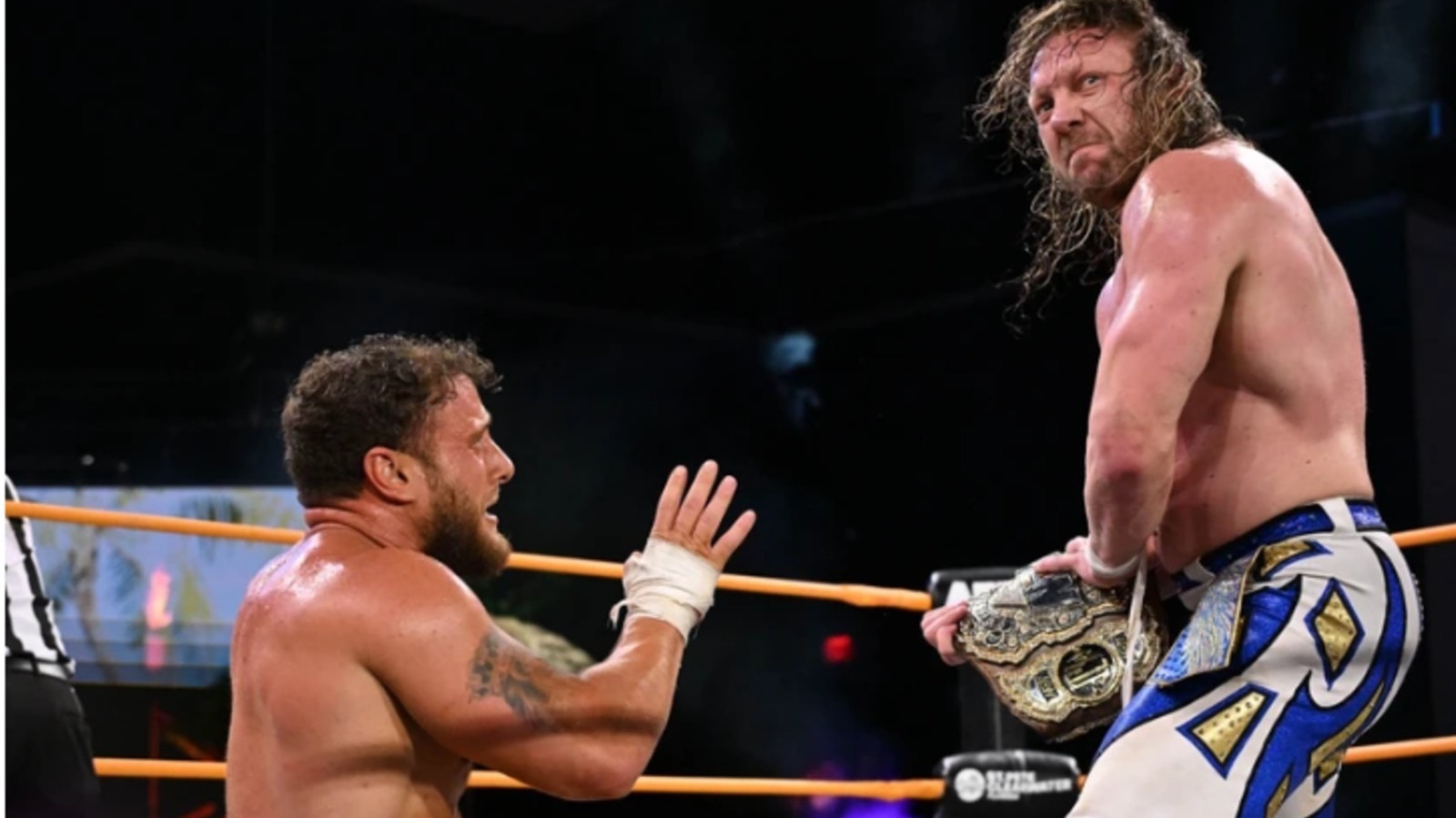
10. The 2025 Creative Shakeup in AEW. Tony Khan moved to consolidate booking power, shifting away from a sprawling committee model that had muddled the promotion's core identity for eighteen months. The move successfully streamlined feuds but arguably stripped away the chaotic energy that defined the company's early growth.
9. The Integration of Global Talent Portals. Major promotions adopted uniform work-visa processing protocols in early 2026, allowing for cleaner transitions between Japanese circuits and American television. This logistical advancement prevented the scheduling conflicts that plagued touring talent throughout 2024.
8. The Rise of the Mid-Tier PPV Strategy. Companies pivoted from monthly pay-per-view events to a bimonthly structure, artificially increasing hype for shorter, higher-stakes cards. While fan engagement numbers climbed, the move left dozens of roster members without meaningful screen time for weeks at a time.
7. The Launch of Independent Streaming Co-ops. Several smaller organizations pooled resources to host events on a single, shared digital platform. This pivot allowed regional promotions to survive despite the industry-wide contraction of media spending throughout 2025.
6. The WWE-Netflix Data Transition. WWE completed its full migration to the streaming model in early 2025, altering the pacing of live broadcasts to suit non-linear viewing habits. The traditional commercial break structure was replaced by dynamic, ad-free segments that required a fundamental change in how matches are paced for television.
5. The WGA Legal Challenge. As PWInsider reported, the Writers Guild of America filed a lawsuit attempting to block massive media mergers, which could fundamentally impact how wrestling narratives are classified and unionized. A ruling against the merger would force a total rewrite of wrestling’s current corporate media strategy.
4. The 2026 Contract Ceiling Reset. Following a period of aggressive spending, major promotions implemented a soft salary cap to stabilize operating costs. This move slowed the migration of talent between companies, making rosters feel more static than they were during the free-agent frenzy of 2023.
3. The Standardization of Athletic Testing. Every major promotion adopted a unified, third-party wellness and concussion protocol by mid-2026. This move removed the ambiguity surrounding injury reporting and return-to-play timelines, providing clarity where once there was only industry speculation.
2. The Direct-to-Consumer Pivot. Promotions stopped selling linear broadcast rights as their primary revenue generator, favoring premium digital subscriptions. This transition allowed companies to capture 100% of the data on their audience, though it effectively walled off the product from casual flipping through channel guides.
1. The Consolidation of Intellectual Property. In the final quarter of 2025, two major media conglomerates successfully merged, creating a massive, single-hub infrastructure for sports-entertainment content. This effectively centralized the talent market into a duopoly, dictating booking hierarchies across the entire medium.
Honorable Mentions
The 2025 Women’s Division expansion remains a highlight, moving matches from openers to high-leverage prime slots. However, the inconsistency in storytelling across brands keeps it from the final list. Additionally, the brief experimentation with AI-generated commentary in 2026 stands as a forgettable footnote that rightfully vanished after 3 weeks of fan backlash.