The cameras catch the glory, but the real work happens behind the curtain. Wrestling's most impactful moments rarely involve a referee or a loud crowd, as a quiet conversation in Gorilla Position or a tense locker room pull-apart often alters a career forever. We are ranking the top 10 backstage interactions that shaped the industry, highlighting the specific instances where veterans broke character to offer harsh truths or necessary guidance. Not every piece of advice is gentle, and without these untelevised interventions, the modern wrestling product would look drastically different.
10. William Regal's Tough Love for Jon Moxley
Before he was bleeding on AEW pay-per-views, Jon Moxley was a raw nerve in Florida Championship Wrestling. William Regal didn't just wrestle him; he pulled the young prospect aside and explained the psychology of violence. Regal hated the independent style of taking bumps just for a cheap pop.
He taught Moxley that mindless brawling is cheap, emphasizing that targeted, sadistic offense draws money. Regal showed him how to make the audience wince rather than cheer, and that influence is still visible in every slow, methodical joint manipulation Moxley applies today. Without those harsh critiques in empty Florida gyms, Moxley never develops his signature pacing.
9. Mick Foley's Blueprint for Edge
Edge was struggling to break out of the tag-team shadow heading into WrestleMania 22. Mick Foley knew exactly what the "Rated-R Superstar" needed to gain main event credibility. Backstage, Foley mapped out a physical sacrifice that would force fans to take Edge seriously.
He told Edge that to get to the next level, they had to go to a dark, violent place. The flaming table spot wasn't just a stunt designed to pop the crowd; Foley laid out the emotional stakes behind the curtain before they ever bled in the ring. He essentially handed Edge the keys to the main event scene.
8. Triple H Shielding Batista
Batista was a late bloomer, prone to injuries and lacking confidence early in his main roster run. Triple H saw the raw physical potential and handpicked him for Evolution. Behind the scenes, Hunter shielded Batista from the chaotic political maneuvering of early-2000s WWE.
He taught the big man how to pace himself and act like a star before he truly was one, turning a nervous rookie into the animal that headlined WrestleMania 21. That event ultimately drew over 1 million pay-per-view buys, cementing Batista as a legitimate draw. The backstage protection from Triple H was just as important as the on-screen push.
7. Shawn Michaels Breaking Down Daniel Bryan
Long before the "Yes Movement," Bryan Danielson was a scrawny kid at the Texas Wrestling Academy. Shawn Michaels didn't just take his tuition money; he gave him the fundamental building blocks of main event storytelling. Michaels pulled Bryan aside and emphasized a harsh truth that indie wrestlers often ignore.
Technical wrestling means absolutely nothing if the audience doesn't care about the guy applying the hold. That early backstage reality check forced Bryan to focus on character work, developing the emotional connection that eventually made him a global phenomenon. Without Michaels bluntly criticizing his lack of charisma, Bryan stays in the armories forever.
6. John Cena's Reality Check for Kevin Owens
When Kevin Owens debuted on the main roster by laying out John Cena, it looked like a standard rocket-strap push. But backstage, Cena was intimately involved in making sure Owens didn't become just another flash in the pan. Cena reportedly sat down with Owens and explained the grueling expectations of the top spot.
He didn't sugarcoat the relentless travel schedule or the intense corporate pressure from executives. Cena demanded that Owens back up the brash character with undeniable in-ring consistency every single night. This blunt guidance helped Owens navigate a treacherous political environment where many indie darlings fail.
5. Paul Heyman Protecting CM Punk
CM Punk was the antithesis of the typical WWE prototype in 2006. Backstage in the WWECW locker room, Paul Heyman became his dedicated human shield. Heyman constantly pulled Punk aside, advising him on how to navigate Vince McMahon's eccentricities without getting buried.
Heyman taught Punk when to fight management over creative decisions and when to play the corporate game. It was a masterclass in wrestling politics for a guy who openly hated authority. Without Heyman's backstage maneuvering, Punk likely would have been fired long before his infamous pipebomb promo changed the industry.
4. Dusty Rhodes Forcing Tyler Black to Change
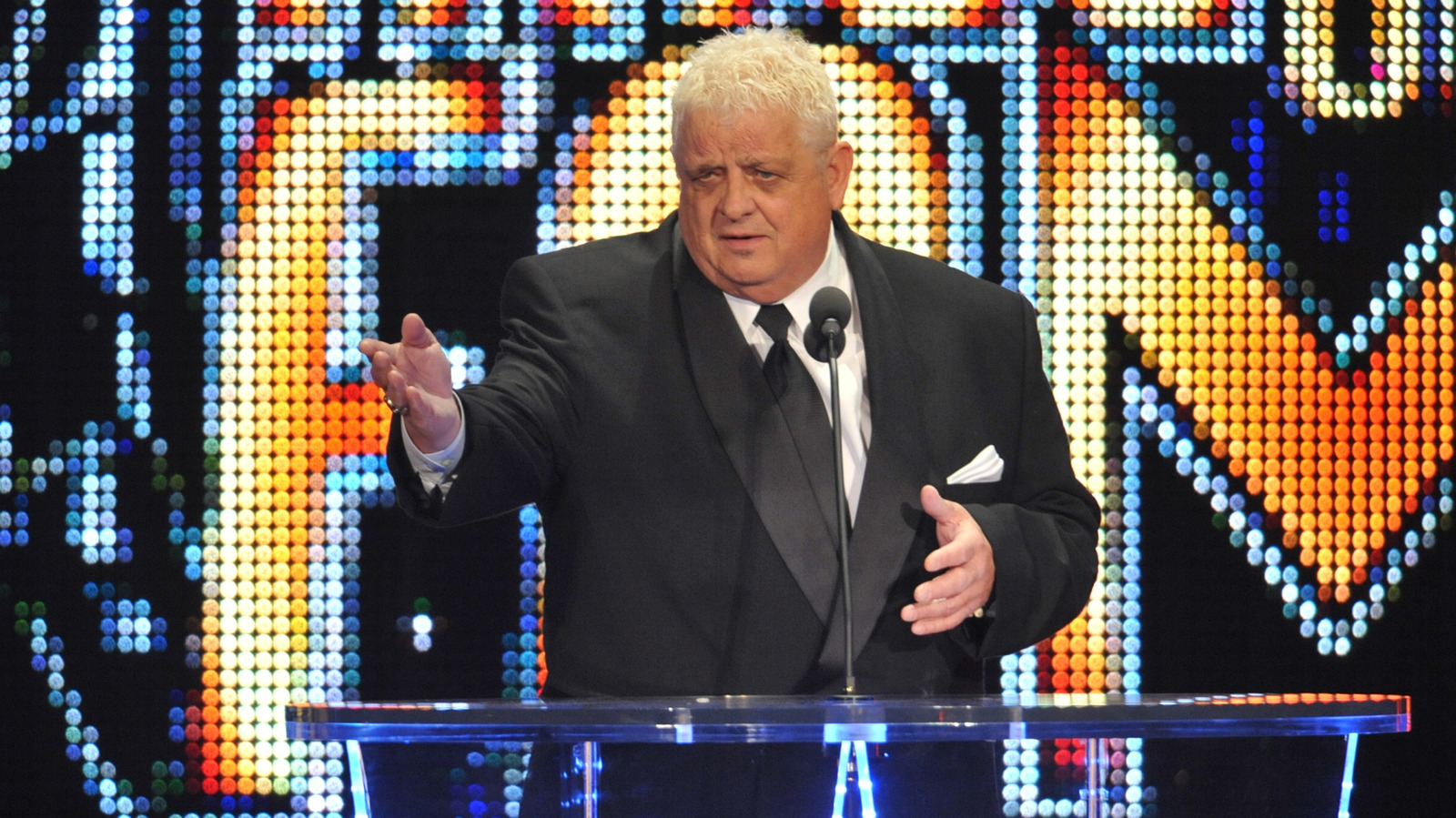
In the early days of NXT, Tyler Black was a great bell-to-bell worker with zero television character. Dusty Rhodes pulled him into a promo class and completely dismantled his independent wrestling persona. Dusty bluntly told him he needed a name that sounded like a rock star.
That backstage brainstorming session birthed the "Seth Rollins" moniker. Dusty didn't just give him a new name to print on merchandise; he gave him permission to be arrogant, loud, and flashy in front of the camera. Rhodes extracted the main event personality that was hiding behind a generic indie moveset.
3. The Undertaker's Toxic Court
Mentorship isn't always positive or healthy. The Undertaker's "Wrestlers' Court" was an often toxic, archaic institution that borderlined on severe locker room bullying. When a young talent stepped out of line, Undertaker didn't advocate for human resources; he put them on a literal kangaroo trial in front of their peers.
It was an outdated practice that wouldn't survive five minutes in today's corporate climate. But at the time, pulling a cocky rookie aside and explaining the unwritten rules saved careers from imploding. It was harsh and frequently humiliating, but it forced accountability in a chaotic environment.
2. Eddie Guerrero Anchoring Rey Mysterio
Rey Mysterio was already a massive legend in Mexico, but navigating the heavyweight-dominated WWE locker room was a completely different beast. Eddie Guerrero became his backstage anchor during those early SmackDown years. Eddie pulled Rey aside constantly, advising him on how to stand his ground.
He taught Rey how to translate his fast-paced lucha libre style into WWE main event storytelling. Their backstage bond was a protective shield against bigger opponents who wanted to bulldoze through Mysterio's carefully planned spots. Eddie's tragic passing left a massive void in that locker room that was never truly filled.
1. Randy Orton's Lifeline to CJ Perry
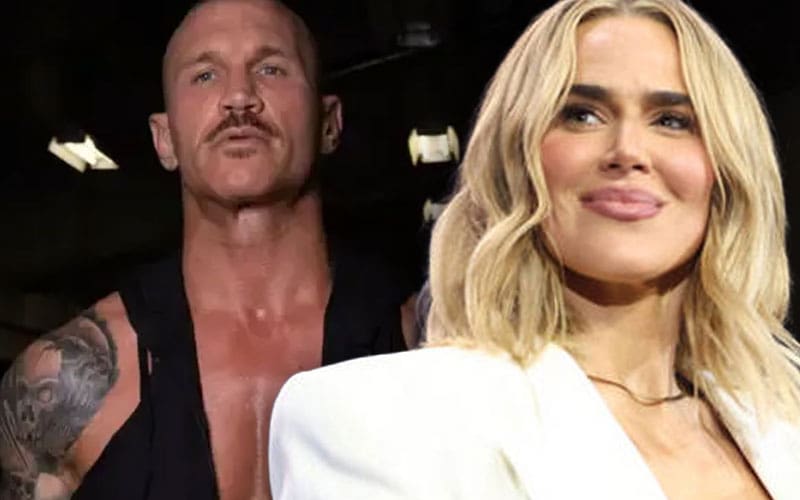
Sometimes, the most profound advice comes from unexpected sources. CJ Perry recently revealed that Randy Orton pulled her aside to offer career-altering guidance. For a seasoned, multi-time world champion to mentor a manager trying to find her footing speaks volumes about Orton's actual backstage presence.
WWE rarely capitalized on Perry's actual potential, opting instead for soap opera garbage angles with Bobby Lashley, but Orton's advice clearly kept her grounded during a creatively bankrupt period. The fact that his words still stick today proves that behind the Viper persona is a veteran who understands the intense psychological toll of the industry. It is a rare glimpse of genuine leadership from a guy who used to be the biggest problem in the locker room.
Honorable Mentions
Roman Reigns offering quiet advice to younger Bloodline members off-camera deserves a nod for keeping that storyline anchored. Bayley's continuous efforts to pitch ideas for underutilized women in the locker room shows a different kind of modern mentorship. The business is ugly, but these quiet moments keep it running.