The Main Event on Wall Street
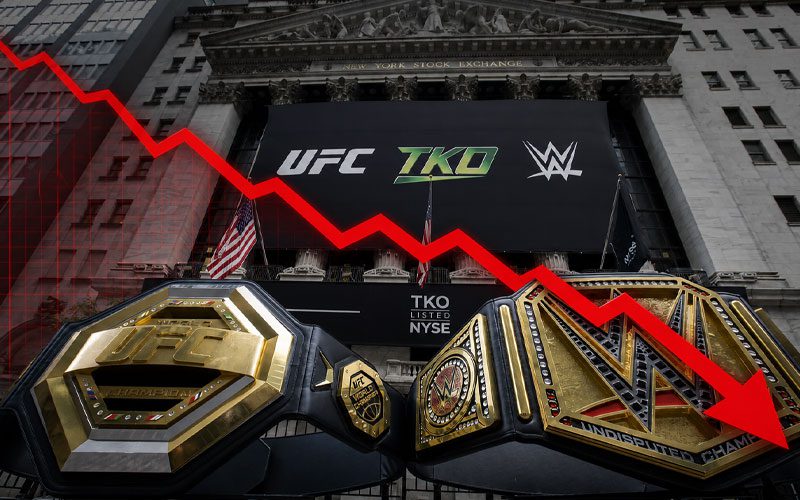
While WWE and UFC draw record crowds in arenas worldwide, the most significant clash in combat sports is playing out on the trading floor of the New York Stock Exchange. TKO Group Holdings is currently facing a coordinated short-seller assault that threatens its recent market gains. According to a recent Ringside News report, short interest in TKO has climbed to a new high for the calendar year. Bearish investors have built a massive, aggressive position against the sports entertainment giant.
The raw numbers paint a picture of aggressive market positioning. Short interest has surged to approximately 16.8 percent of the company's float. This represents a significant climb from the 14.9 percent short interest recorded in mid-June. Wall Street is actively betting that TKO has reached its tactical limit. They are pressing high up the pitch, waiting for a mistake in the upcoming quarterly results.
For Ari Emanuel and Nick Khan, the corporate midfield is suddenly crowded. The company's stock price has enjoyed a strong run since the merger, but short sellers are betting on a quick, painful reversal. They see structural gaps in TKO's defensive block. The battle is no longer about narrative; it is about balance sheets, debt servicing, and court filings.
This is a high-stakes chess match where both sides are heavily committed. The shorts are betting that the massive valuation of the UFC and WWE merger cannot be sustained without infinite growth. TKO is betting that its global expansion will yield unprecedented returns. The stage is set for a major financial collision.
The Bears' Pressing Triggers
Short sellers do not press without a clear trigger. In TKO's case, the primary trigger is a lingering legal overhang that refuses to dissipate. While the company resolved the long-running Le v. Zuffa antitrust case with a $375 million settlement in February 2025, that resolution only cleared the books for fighters competing before 2017. The subsequent Johnson and Cirkunovs lawsuits remain active, threatening future cash reserves.
These legal liabilities represent a massive structural leak. Fighters from the post-2017 era are demanding a larger share of the UFC's revenue pie, which has historically hovered around a meager 20 percent. If the courts rule in favor of the fighters, TKO's high-margin business model will take a direct hit. The short sellers are positioning themselves to exploit this legal vulnerability.
The second pressing trigger is the recent pattern of insider selling. Several high-profile TKO executives have disclosed plans to unload significant portions of their equity. When those who run the company start selling, the market reacts. It signals that management believes the stock has hit a local ceiling. This insider activity has provided the short sellers with the tactical confidence to expand their positions.
Furthermore, the integration of WWE and UFC under the TKO banner has not been seamless. The promised administrative cost savings have been slow to materialize on the bottom line. Operational overhead remains high, and revenue growth in 2025 showed signs of plateauing. The bears are exploiting these defensive lapses with precise timing.
The Defensive Low Block and Counter-Attacking Speed
Betting against TKO is a dangerous game because of its explosive counter-attacking capabilities. The company possesses a robust defensive shape built on long-term media contracts. The 10-year, $5 billion deal with Netflix for Monday Night RAW provides a massive, guaranteed revenue stream. This contract isolates WWE from the volatility of traditional cable television ad markets.
The upcoming UFC domestic television negotiations represent another massive counter-attacking threat. The current package with ESPN is expiring, and TKO is seeking a substantial markup. If TKO secures a rights fee increase that beats current market projections, the short sellers will be caught completely out of position. Mark Shapiro and Dana White are playing a patient waiting game, knowing one big contract renewal can break the market's high press.
TKO is also utilizing its capital return policy as a defensive shield. In the first quarter of 2026 alone, the company returned approximately $1.0 billion to equity holders through share buybacks and dividend payments. The board has also authorized an additional $1 billion for share repurchases. This strategy reduces the available float, making it increasingly expensive for short sellers to maintain their borrow rates. The bears are running out of cheap turf to defend.
This financial fortification makes TKO resilient against temporary market downturns. They are content to play out of the back, passing the ball safely among their executives while the shorts chase shadows. Once the market realizes the cash flow is secure, the momentum will shift.
The Structural Flaws in the Product
Despite TKO's financial defenses, their product strategy has visible cracks. The company's heavy reliance on international site fees has begun to alienate domestic fans. Shows in Saudi Arabia and Baku, Azerbaijan, generate massive local government subsidies but isolate the core audience. The domestic live event loop has been scaled back, reducing brand presence in traditional markets.
UFC is facing a similar quality dilution. To satisfy its heavy volume commitments to ESPN, the promotion has flooded the schedule with low-profile Apex cards in Las Vegas. These events feature unranked fighters in empty studios. The premium feel of the UFC brand is slowly eroding under this volume-first approach. Hardcore fans are noticing the decline in card depth.
WWE is also struggling with roster depth. The current booking formula relies heavily on a few top stars to draw stadium gates. If one key performer suffers an injury, the entire creative structure falters. The company is running a thin squad, leaving them vulnerable to sudden setbacks. This lack of depth is a critical vulnerability that the board has failed to address.
Furthermore, the ticket prices for domestic televised shows have reached an inflection point. Families are being priced out of RAW and SmackDown shows as average ticket costs climb. This short-term revenue maximization risks long-term fan engagement. If the next generation of fans cannot afford to attend shows, the pipeline of consumer interest will dry up.
The Tactical Prediction
The short sellers believe they have TKO trapped. By pushing short interest near 17 percent of the float, they have committed too many resources forward. They have left their backline completely exposed. A single positive catalyst will spark a massive panic among the bears.
That catalyst will likely be the next media rights announcement. Once UFC secures its new domestic deal, the shorts will rush to cover. This will trigger a classic short squeeze. The buying pressure will send the stock price vertical.
Expect TKO to hold its defensive line and strike quickly on the counter. The short interest will collapse back below 10 percent by the end of Q3 2026. The bears are about to get caught in transition, and the resulting squeeze will be devastating for those holding short positions.