Measuring the impact of the legend's departure
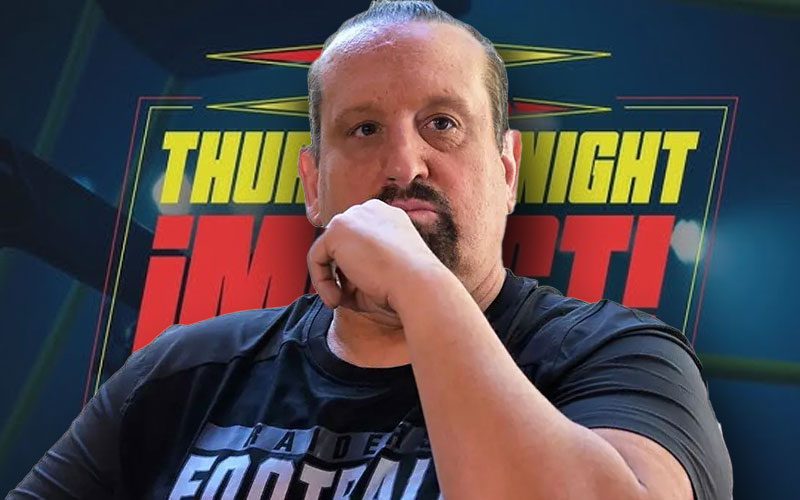
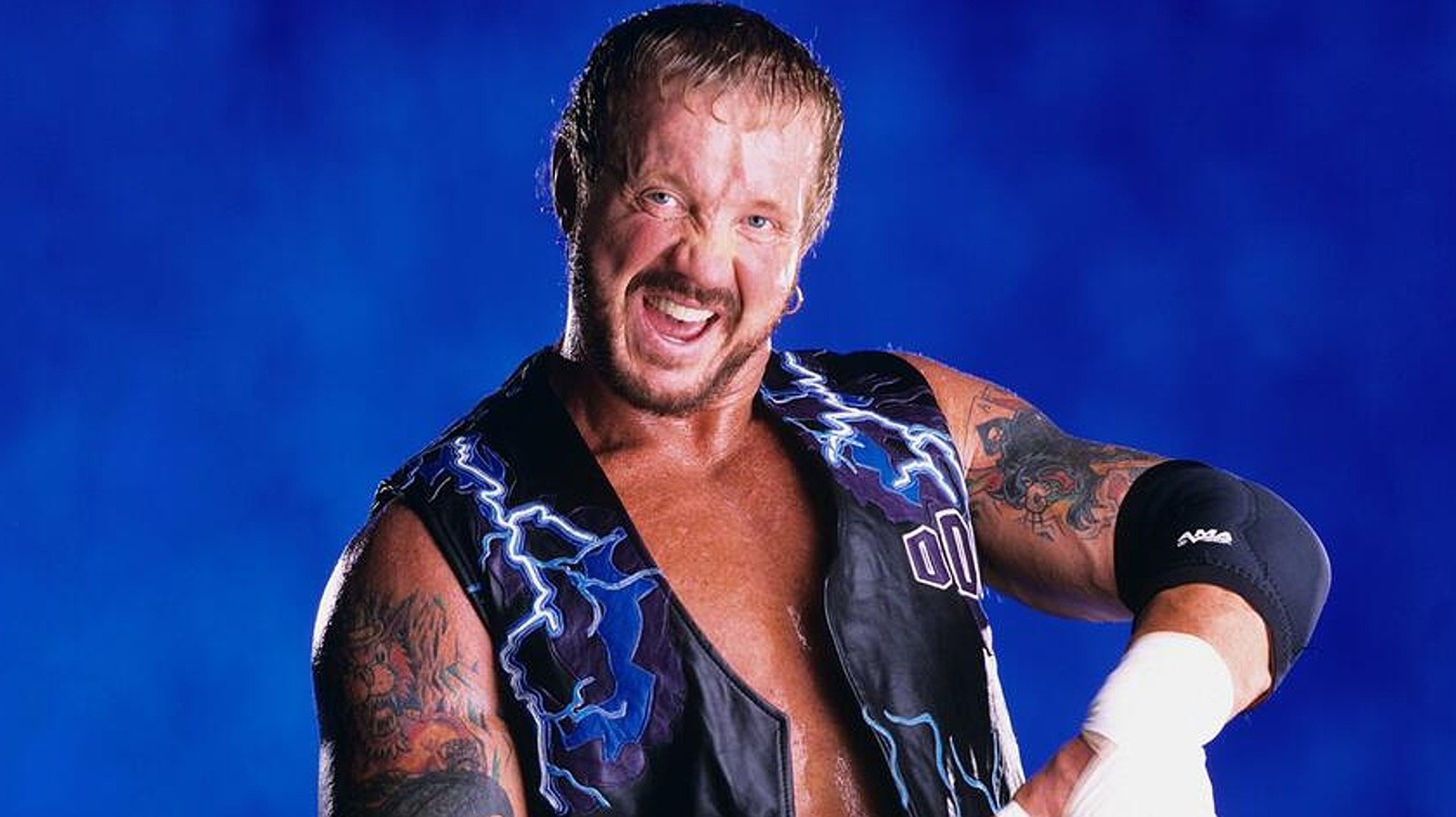
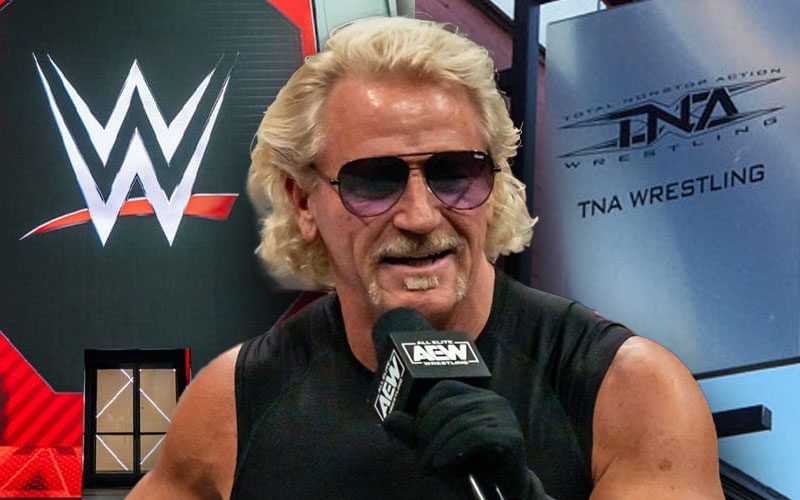
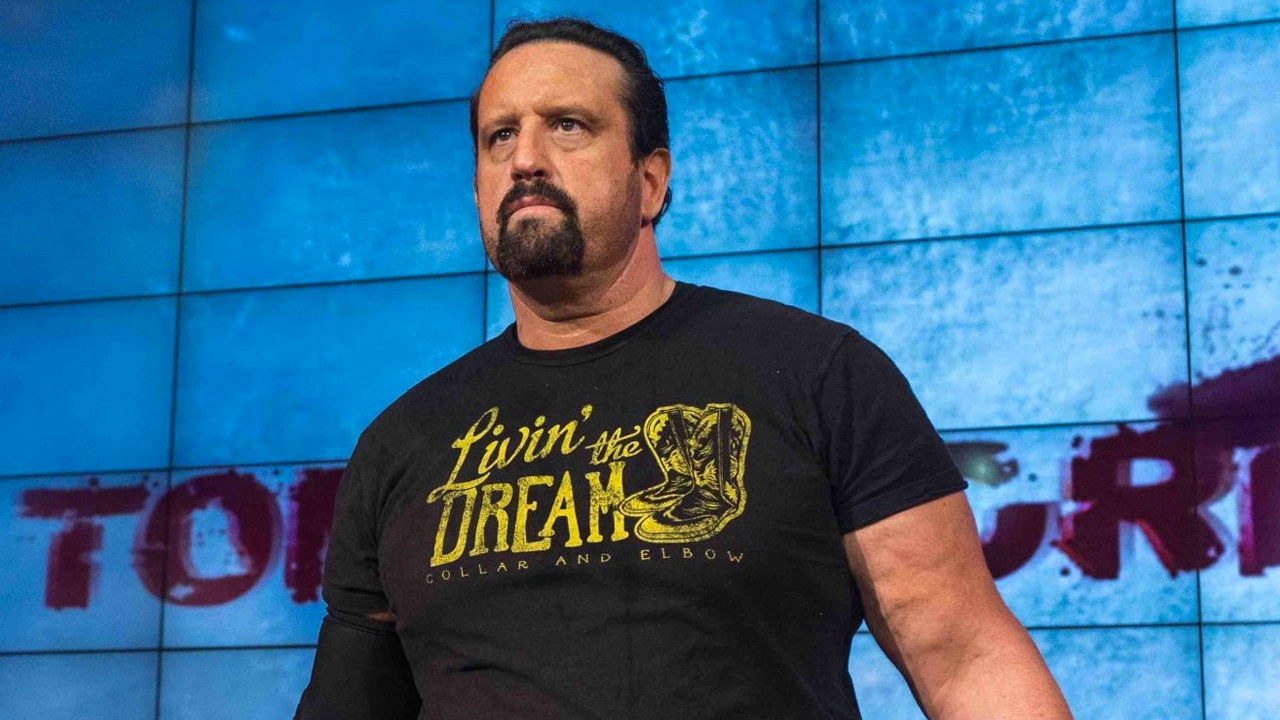
Tommy Dreamer has left TNA. The news, circulating as of June 2026, marks a significant shift in the internal hierarchy of the promotion. While outsiders often view these departures as simple contract expirations, those inside the business recognize the vacuum left by a veteran who functioned as both a performer and a creative sounding board.
Dreamer occupied a space in professional wrestling that is increasingly rare: the bridge. He connected the aggressive, hardcore sensibilities of the ECW era with the modern, high-velocity requirements of current television production. His departure creates a void in the locker room's leadership structure that requires immediate adjustment.
The creative ripple effect
Losing a veteran of Dreamer's longevity forces the remaining agents and writers to recalibrate their scripts. In the current weekly cycles, the specific attention to detail he provided on technical positioning and pacing will be difficult for the remaining team to replicate immediately.
Reports indicate that TNA brass is already exploring ways to reorganize their road agents. Whether this results in a streamlined approach to match production remains the most pressing question for the fanbase. If the quality of the mid-card matches dips below the 7.0 rating threshold fans have come to expect, the pressure on management will mount quickly.
What the numbers miss
While the business side of the promotion handles the paperwork, the fans watch the bell-to-bell performance. Dreamer was often tasked with mentoring developmental talent, a role that does not show up on a standard wins-and-losses sheet. Without his presence behind the curtain, we may see a shift toward more chaotic, less nuanced storytelling in the coming months.
The risk here is a loss of institutional memory. Newer performers often rely on the improvisational guidance that only a veteran with decades of experience can provide during a live broadcast. Should a chaotic spot occur in the upcoming tapings, there is no longer a safety net of experience to steer the match back to its intended finish.
The road ahead for the roster
We need to watch the next few episodes of television with a critical eye toward production shortcuts. If the spacing during tag team transitions becomes loose or if the psychology of the matches begins to mirror the formulaic approach of other mainstream promotions, we will know the lack of veteran oversight is taking its toll.
My prediction is that TNA will endure a momentary stumble in match flow as they rotate new personnel into the agent role. Expect a 3-month adjustment period where the pacing feels uneven, followed by either a sharp consolidation of power or a further loss of creative identity. This is not a drill; it is a fundamental pivot point for the company's long-term sustainability.