The quiet erasure of wrestling's journeymen
Remembering Sivi Afi and the lost era of the supporting cast
The recent passing of Sivi Afi at the age of 69 serves as a stark reminder of the fragile history of the professional wrestling business. While promoters and historians often fixate on the championship lineages of the 1980s, the workers who filled the undercard remain the true marrow of the industry. As reported by PWInsider, Afi was a mainstay during the expansion years, yet his name rarely appears in discussions regarding the sport's icons.
Afi’s tenure in the World Wrestling Federation between 1984 and 1986 highlights a style of work that has all but vanished. He was a classic babyface technician, often deployed to make house show opponents look capable before the inevitable finish. It was a role that required high ring IQ and selfless selling, qualities that rarely receive their due in modern highlight reels.
The evolution of the undercard
Modern booking treats the undercard as an afterthought or a platform for squash matches designed to pad win-loss records. In 1985, however, the structure was different. Performers like Afi were tasked with keeping energy high for 15-minute segments, balancing technical transitions with crowd interaction. It was effective, utilitarian labor.
The shift in how talent is positioned today mirrors the corporatization of the sport. We no longer see the consistent, week-to-week grind of a journeyman who could work with anyone. Instead, we have high-concept storytelling that often ignores the secondary workers who facilitate the narrative movement of the headliners.
Missing the technical nuance
Criticizing the modern presentation is not an exercise in nostalgia; it is a critique of efficiency. When I watch tapes from the Mid-Atlantic or early WWF expansion eras, I see tighter pacing in the first ten minutes of a match than on most three-hour television spectacles today. The work rate was focused on the objective: get the opponent over, protect the brand, and exit the ring with a clean finish.
The lack of meaningful engagement with historical contributors like Afi reveals a flaw in the current way we archive the sport. Wrestling discourse is almost exclusively focused on the top 1% of the roster. If we continue to treat every worker who isn't a headline name as disposable, we lose the very mechanics that made the business function during its most explosive growth periods.
The reality of the 80s grind
Afi’s career trajectory, largely confined to the lower and mid-card, serves as a record of professional survival. Maintaining a steady spot on the road for two years in the mid-80s required a specific physical resilience. It was the antithesis of the sporadic, heavy-impact style that dominates current locker rooms where performers prioritize viral moments over consistent output.
There is a lesson here for current talent: longevity is often found in the ability to work a style that doesn't demand 100% of your body's energy every single night. The high-risk maneuvers of 2026 are likely the primary reason we see fewer performers reaching the late-retirement phase compared to the previous generation. Watching the way Afi navigated matches is a masterclass in risk mitigation.
Ultimately, the death of a journeyman who filled empty spots on the card should force a reflection. We focus on the spectacle, the massive arena events, and the record-breaking gates, yet we forget the individuals who worked the 6:00 PM bells. Without the Afis of the world, those arenas are empty boxes with no rhythm inside them.
McDavid Knee Support with Stays, Knee Brace for Support
Essential gear for fans who actually get in the ring to train.
Frequently Asked Questions
Who was Sivi Afi in the context of 1980s wrestling?
What role did journeymen play in the 1980s wrestling industry?
How does modern wrestling booking differ from the 1980s approach?
Why is the current wrestling discourse criticized by some historians?
What is the primary lesson from Sivi Afi’s career regarding longevity?
More Coverage
Top 10: Wrestling Moments Shaping 2026
19 hours agoTen years later, the 2016 wrestling landscape still haunts us
4 days, 9 hours ago
The high cost of character consistency in modern wrestling
4 days, 21 hours agoWhy the free agent market is looking thin for major promotions
1 week ago
Why wrestling bookers cannot replicate Hulk Hogan's heel turn metrics
1 week, 1 day ago
Why the Great Khali rejecting 'Great Gandhi' saved his WWE career
1 week, 2 days agoMore Analysis
Top 10: Defining Moments of the 2026 Mid-Summer Cycle
an hour ago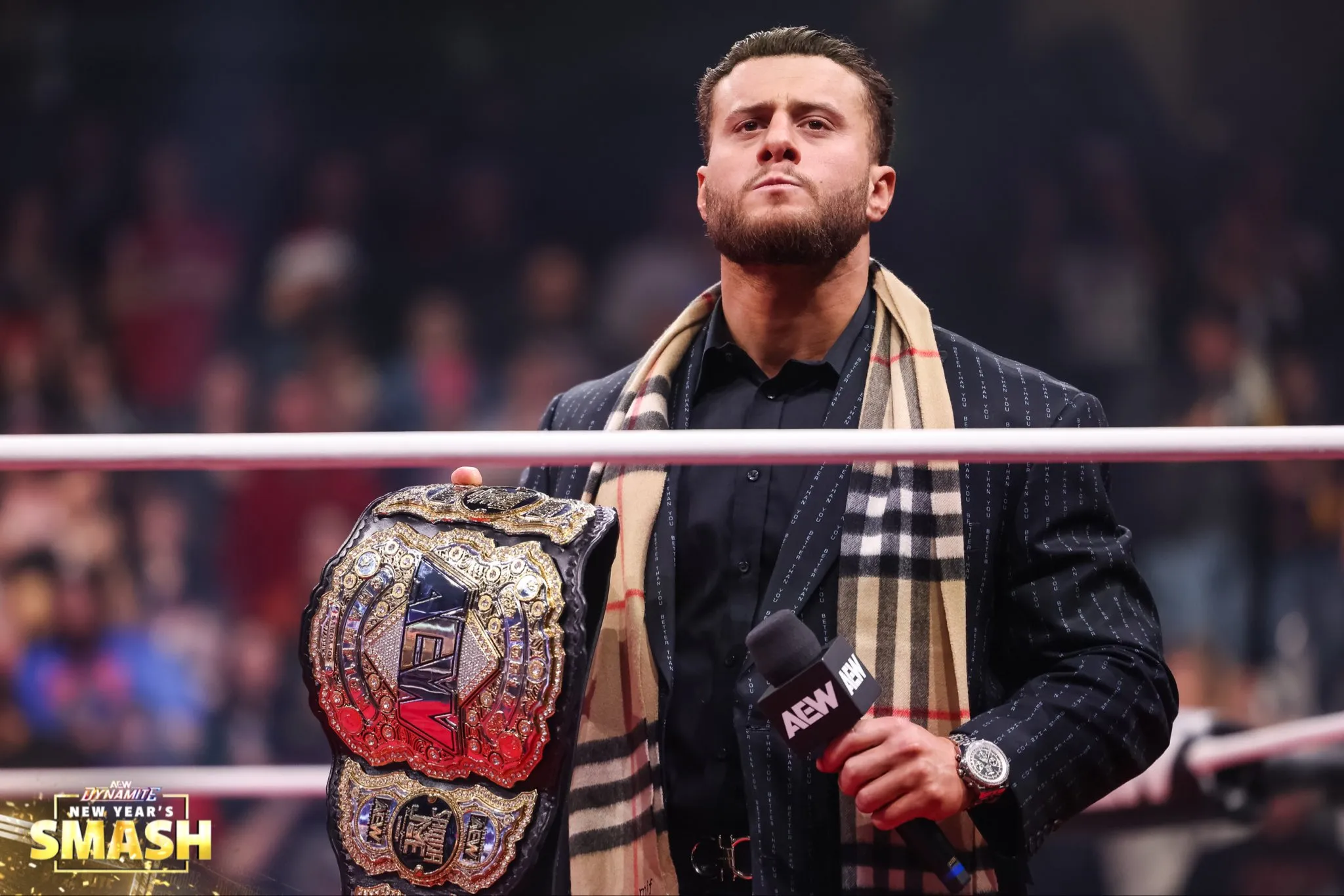
MJF is gone and the internet is losing its mind
an hour ago
Buddy Matthews returning adds a tactical wrinkle to AEW's midcard
an hour ago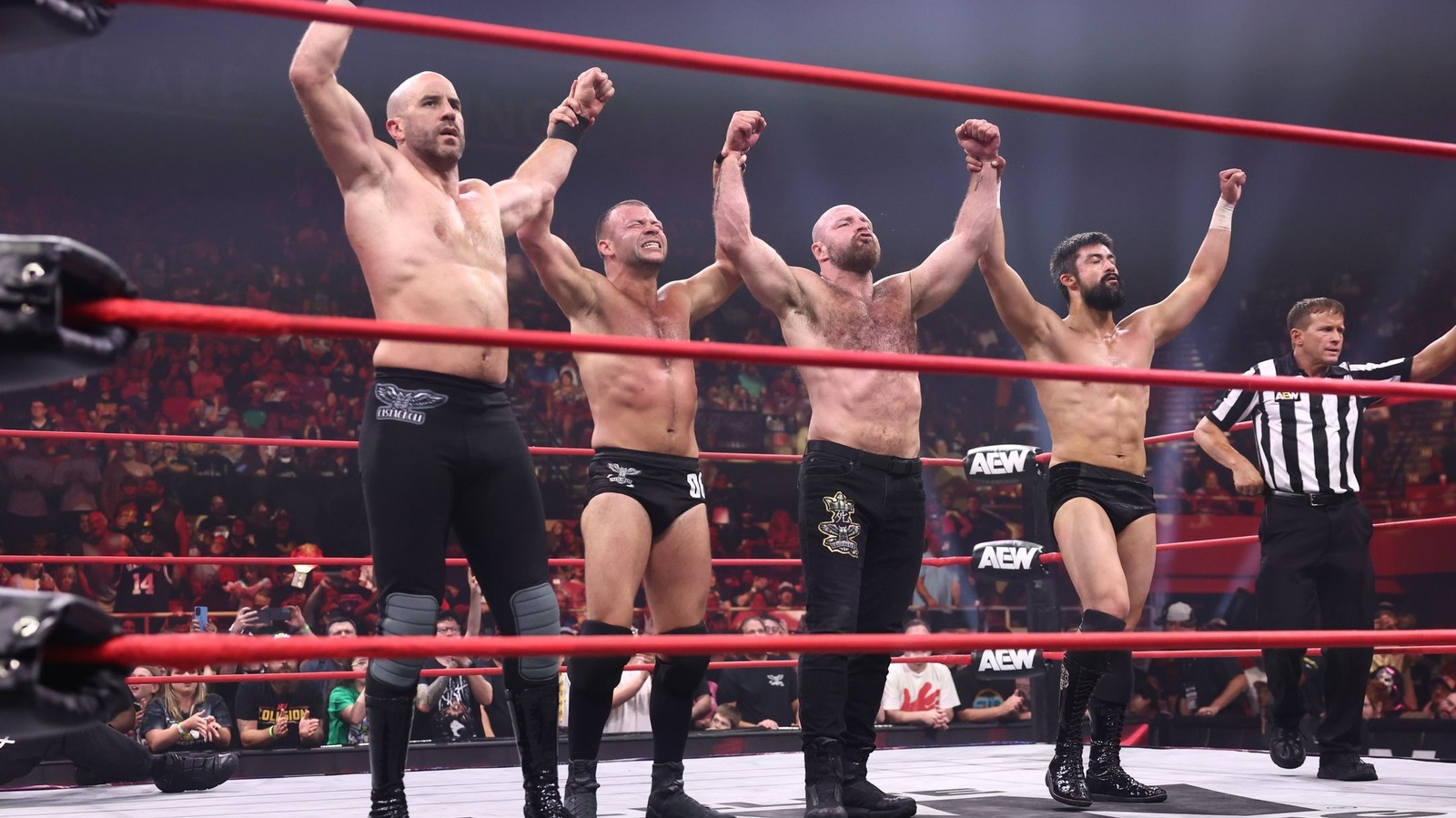
AEW Collision viewership is finally showing a pulse
3 hours ago