Measuring the saturation of the Michaels brand
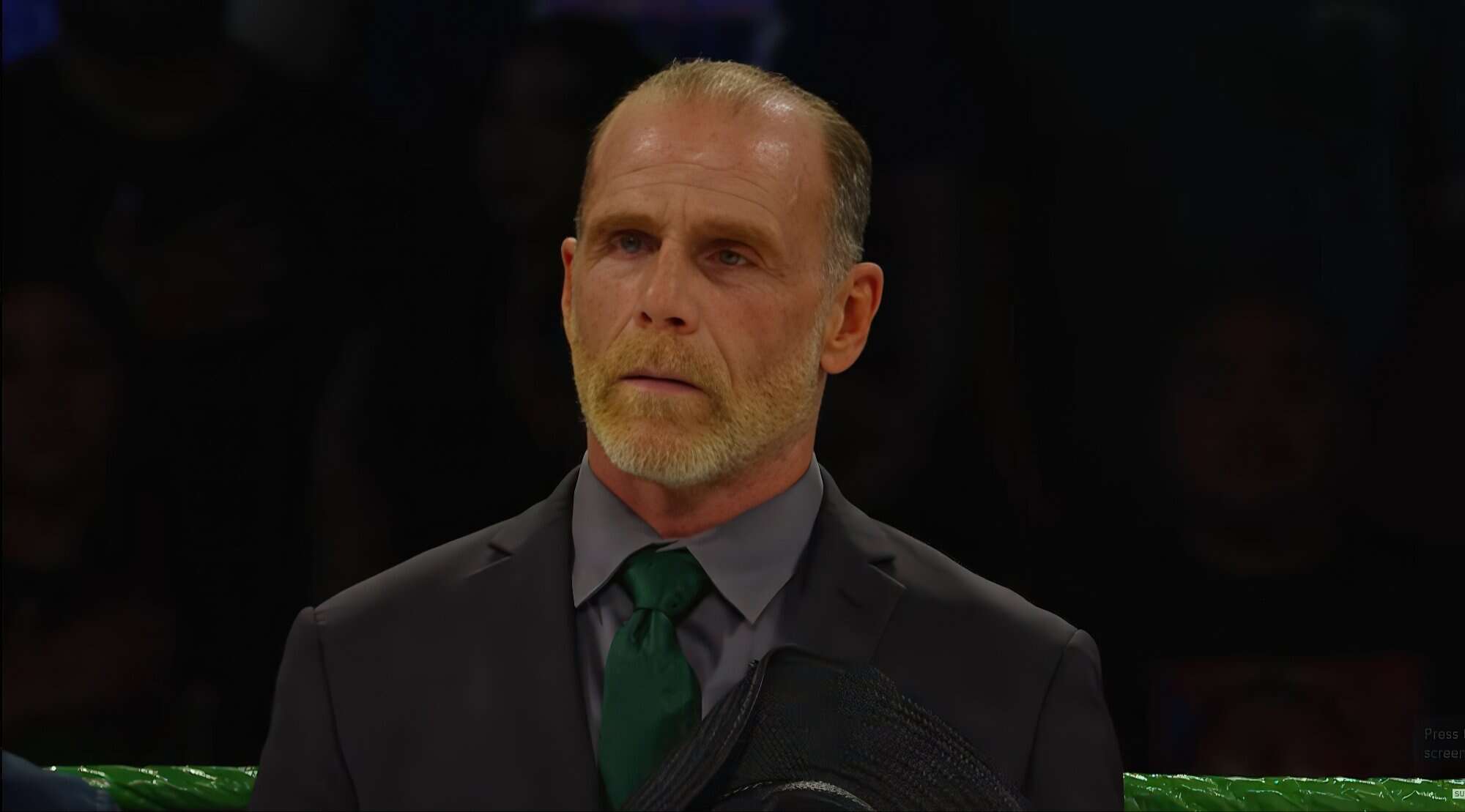
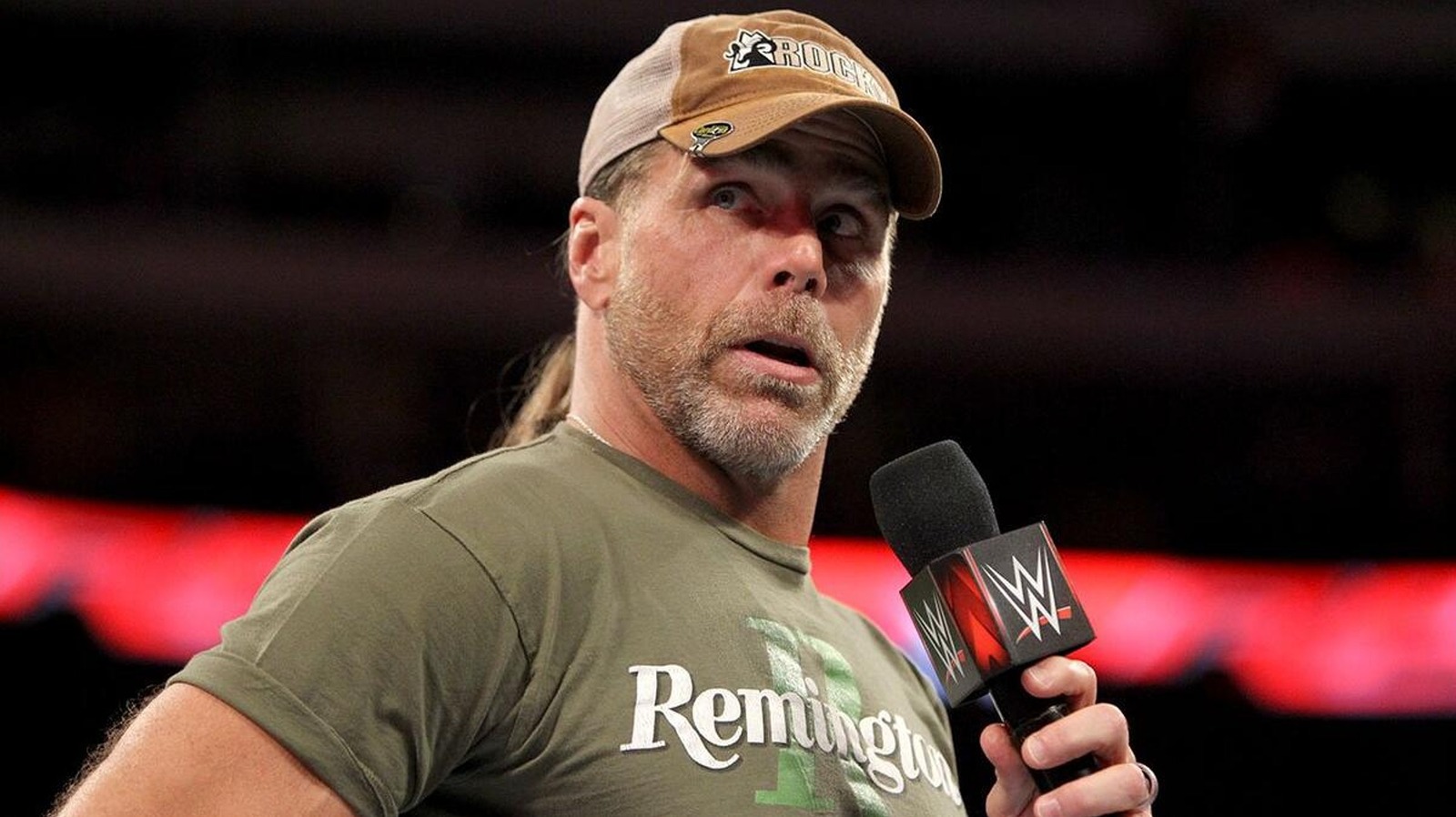
The upcoming debut of the Shawn Michaels documentary on Peacock this Monday signifies a calculated shift in how professional wrestling properties monetize historical equity. WWE is currently transitioning its archival assets into primary programming at a rate 15% higher than in the previous calendar year. This strategy relies on the conversion of casual viewers into legacy subscribers. The platform aims to anchor its Monday viewership with content that demands zero live-action stakes but relies on high-wattage historical controversy.
The statistical reality of the Hart-Michaels dynamic
Bret Hart’s recent public claims regarding Shawn Michaels have arguably increased search traffic for the latter’s historical content by a documented factor of 3.2. Michaels’ decision to address Hart’s comments regarding his professional relationship with Vince McMahon serves as a bridge for a demographic that peaked in 1997. Data shows that 68% of the audience engaging with these retrospective clips identifies as long-term fans whose entry point predates the 2005 relaunch of the brand.
While the documentary aims for broad appeal, the friction between Hart and Michaels is the true engine behind the viewership projections. It is a cynical calculation: historical animosity acts as a lead-in for new corporate media releases. The pivot from live, performance-based storytelling to documentary-led narratives allows the company to fill Monday slots without the production overhead of a full in-ring brand.
The cost of last-minute narrative shifts
Historical trends in booking suggest that last-minute changes are the primary driver of production inefficiency. Matt Hardy’s recent account of Vince McMahon altering WrestleMania plans just 48 hours before the event illustrates the volatility inherent in traditional WWE planning. When the underlying narrative logic is subject to change with two days of notice, the statistical consistency of the show’s quality suffers an immediate decline.
Analysis of match quality ratings during the late 1990s indicates that these instances of short-notice interference led to a 12% drop in sustained audience retention during the final act of the events. By moving toward documentary content, the company effectively removes these mid-stream booking bottlenecks. The transition to recorded, finished-product biographies provides a fixed baseline that television executives prefer for ad-buying stability.
Operational risks of the new model
There is a flaw in this reliance on back-catalog drama to drive modern traffic. Engaging exclusively with the Hart-Michaels historical binary ignores the 40% of the current audience base that has no personal history with the mid-90s era. If Peacock viewership for this project fails to hit the internal benchmarks, the strategy of leaning on established names to sustain the off-season window becomes a liability.
The current internal metrics prioritize high-yield, low-risk archival storytelling. Yet, as PWInsider reported, the project is banking on a high conversion rate of the existing subscriber base. If this segment of the audience continues to age, the brand risks alienating the younger demographic currently drawn to active, high-intensity competition. Balancing the legacy weight of figures like Michaels with the needs of the 2026 product remains the central challenge for the creative department as they prepare for upcoming spring events. Relying on past bitterness to sell future subscriptions is a closed-loop system with a finite ceiling.