Physical toll and the legacy of the push
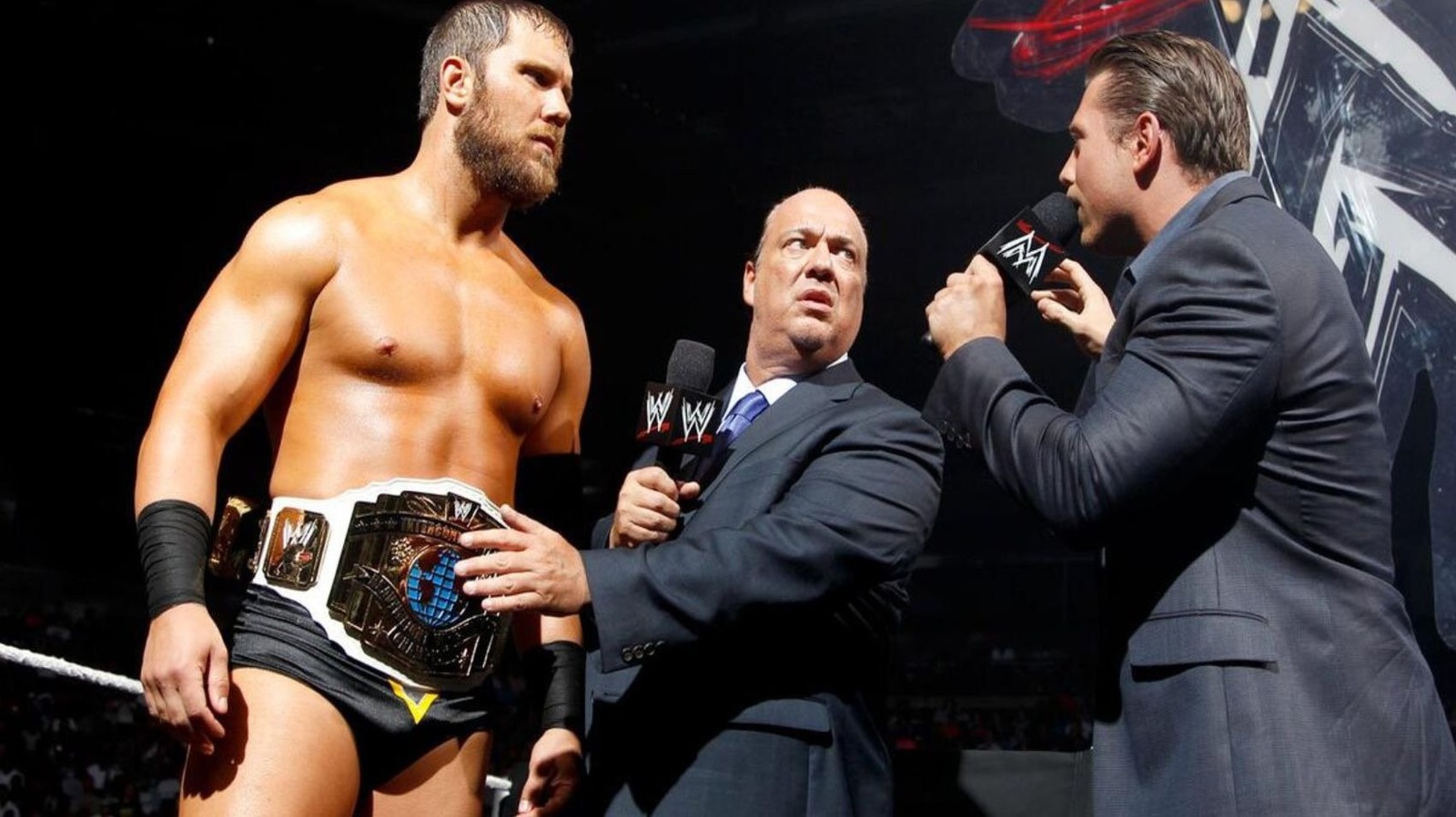
In the high-stakes arena of professional wrestling, the push often comes at a steep physical price. Paul Heyman, recently reflecting on the failed trajectory of clients like Curtis Axel and Cesaro, inadvertently highlights the recurring issue of wrestler longevity. When creative teams demand aggressive, high-impact styles to get a performer over, the athlete is the one balancing the books if those efforts don't yield main-event dividends.
Cesaro, now performing as Claudio Castagnoli, maintained a grueling schedule during his WWE tenure. His style featured high-rotation maneuvers like the Cesaro Swing and a diverse arsenal of European uppercuts. These moves require immense core activation and lower back durability. Wrestlers pushing for prominence often limit their recovery time to protect their spot on the card.
The mechanism of mid-card attrition
The history of WWE talent development is littered with performers who sustained significant injuries during pivotal transition periods. Curtis Axel experienced a career ceiling hampered by repetitive lower-body mechanics, often required to perform high-velocity drops to minimize the appearance of his opponent's impact. The industry standard remains problematic: the more a wrestler is asked to facilitate the offense of others, the higher the risk of cumulative micro-trauma.
We saw this pattern repeatedly during the late 2010s. Performers tasked with working televised matches on Monday, Tuesday, and non-televised house shows on weekends face exponential increases in connective tissue fatigue. When a push fails, the athlete does not just lose their spot on the depth chart—they lose the medical recovery time afforded to champions who can dictate their own schedules.
Analyzing the physical cost of mid-card reliability
Reliability is often marketed as a virtue in the locker room, but it frequently masks a failure to manage workload. A wrestler who works 200+ dates a year is operating on a deficit. By the time creative acknowledges a wrestler's talent, the orthopedic cost to their shoulders or knees is often irreversible.
Data from the last decade suggests that performers utilized as workhorses—those who transition from opening matches to secondary championships—record the most significant time away from the ring due to non-contact injuries. This is not bad luck. It is a predictable outcome of structural overextension. When the creative team pivots away from a project, they do not account for the residual physiological toll left on that performer.
Strategic implications for the modern roster
The current regime under Triple H has ostensibly moved toward a more managed load for its top stars. However, the mid-card remains volatile. If a talent is not anchored in a marquee storyline, they are frequently cycled through high-repetition programs meant to test their endurance rather than advance their character. This is a flawed methodology.
For the company, the strategic failure is two-fold. First, they effectively degrade the asset before they ever reach their peak commercial value. Second, the constant churn promotes an environment where wrestlers feel compelled to work through minor ligament strains or cervical stiffness to avoid losing momentum. The resulting injuries are rarely catastrophic in the immediate sense, but they erode the athletic ceiling of the entire roster.
Looking at the trajectory of performers like Cesaro, the transition to other promotions often reveals the extent of their accumulated professional damage. Many veterans arrive at new destinations with years of unaddressed physical maintenance. The long-term health of the industry depends on decoupling the concept of a 'hard worker' from the concept of a 'constant wrestler.' If the 2026 scheduling remains as rigid as it was during the mid-2020s expansion, we should expect a higher volume of soft tissue setbacks throughout the current fiscal cycle.
The push must be sustainable, not just profitable. As it stands, the industry continues to prioritize the immediate visibility of a performer over the long-term integrity of their physical frame. This disconnect between storytelling goals and athletic reality remains the most consistent failure point in modern wrestling management.