The structural instability of Solo Sikoa's Bloodline
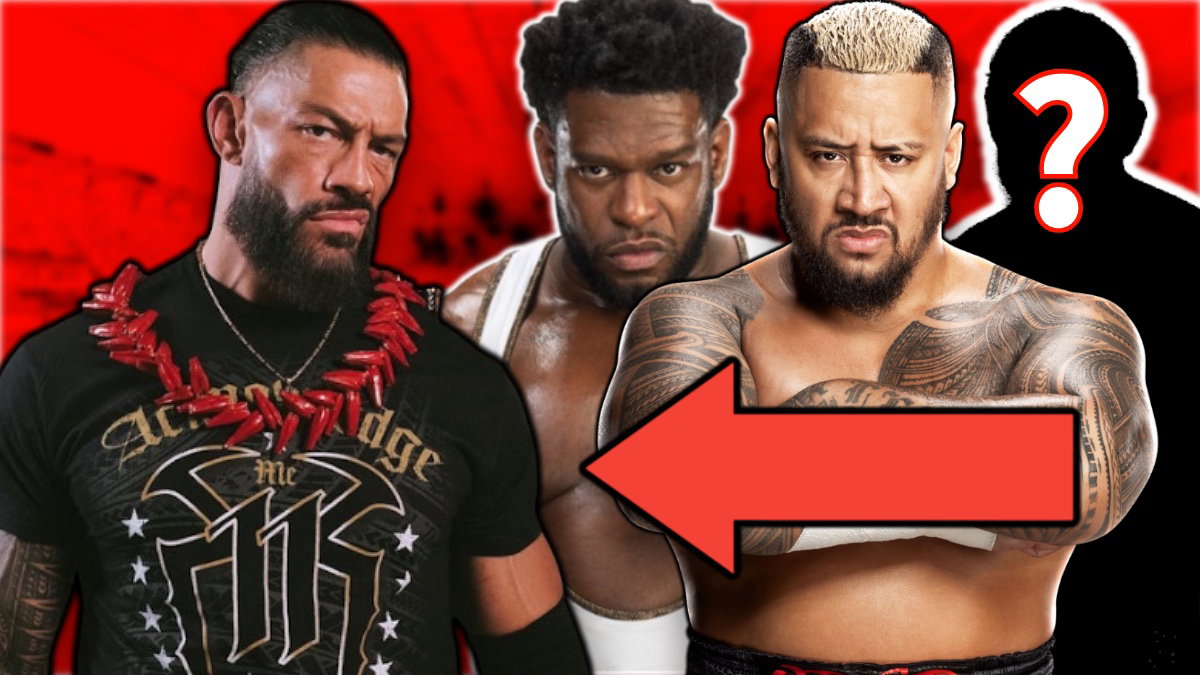
Solo Sikoa walked into the July 20 edition of Raw attempting to project absolute authority over his stable. Yet his tactical framework relies entirely on Jacob Fatu maintaining discipline as his primary enforcer. That heavy reliance is rapidly becoming an operational liability for Bloodline 2.0.
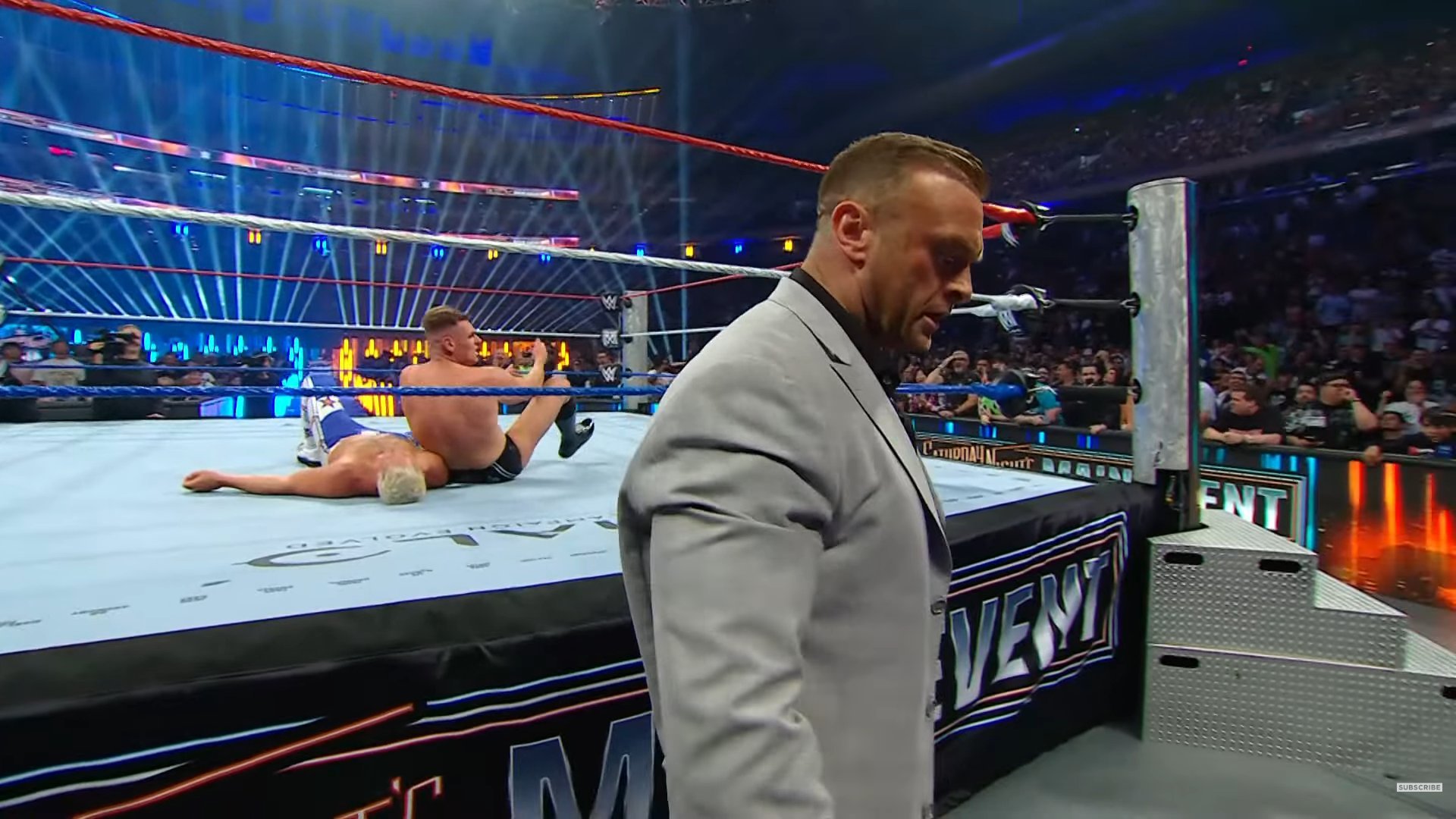
During the opening exchange with LA Knight on Raw, Sikoa spent half the segment shouting commands from the apron rather than dictating ring pace himself. When an enforcer constantly looks toward the corner for permission before committing to a cover, defensive structure breaks down completely.
Sikoa's strategy rests on total isolation. He uses Fatu to clamp down on the center of the ring, trapping opponents in tight corner pockets. Against a direct brawler like LA Knight, that close quarters strategy creates chaotic scrambles.
We saw this exact pattern unfold at the 12-minute mark on Monday. Fatu landed a heavy pop-up Samoan drop and immediately sought verbal approval from Sikoa instead of hooking the leg. That two-second delay gave Knight enough breathing room to reset his guard.
Faction success can be measured in millisecond reaction times. Under Roman Reigns, double-team maneuvers were executed on pure muscle memory. Sikoa's current unit operates like a micromanaged corporate department where nobody takes initiative without sign-off.
Notice how Sikoa positions himself when Fatu enters the ring. He stands directly adjacent to the timekeeper's table, maintaining a clear retreat path while keeping visual command of the referee. It is a defensive posture disguised as managerial authority.
This positioning reveals Sikoa's primary insecurity. He understands that without Fatu acting as a physical wall, his own physical limitations in single-opponent matchups get exposed instantly by seasoned veterans.
Booking missteps and the Danhausen problem
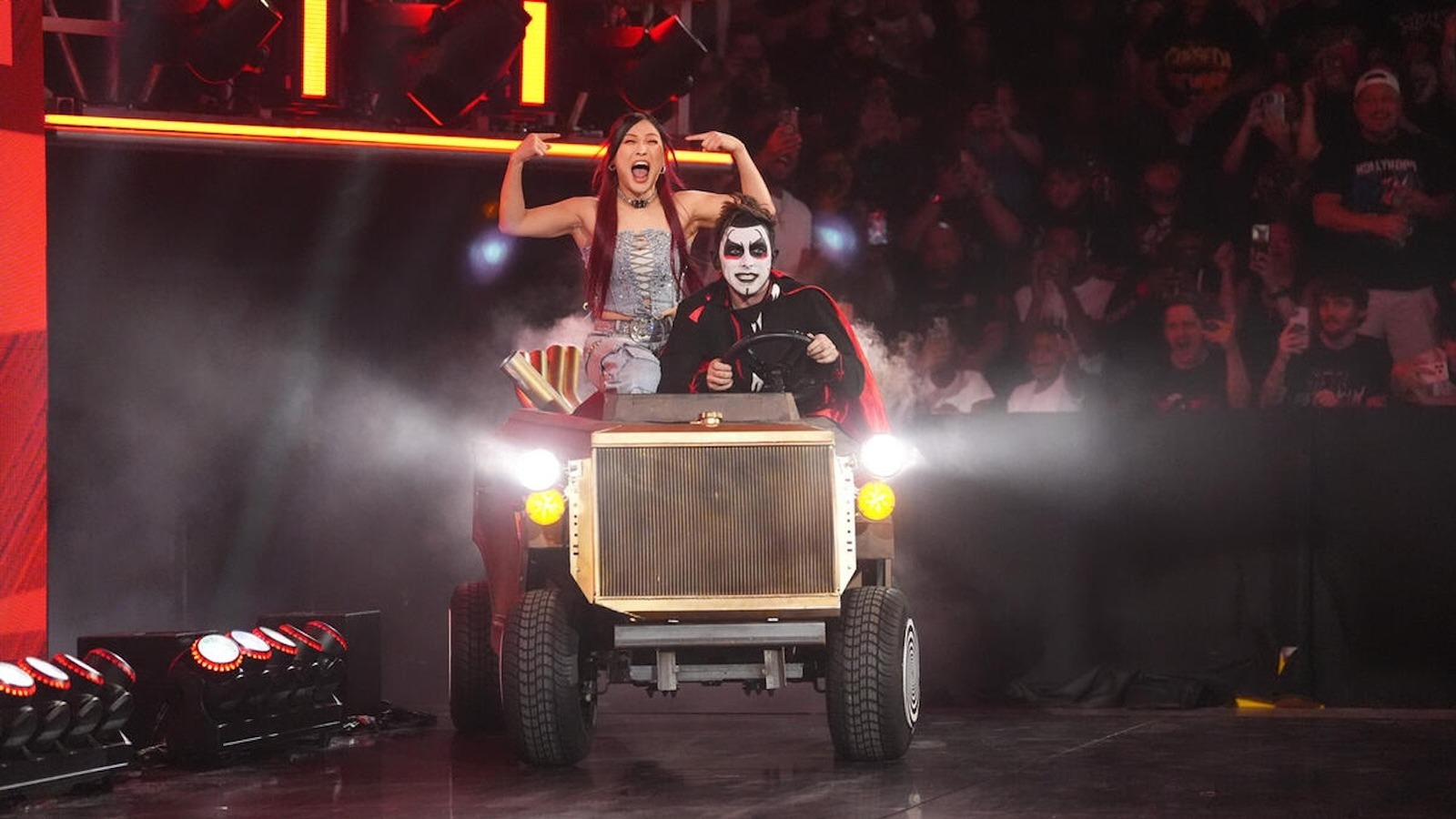
Not every creative decision on the July 20 Raw advanced the build toward SummerSlam 2026. The most head-scratching choice of the night was the official addition of a Danhausen match to the SummerSlam card.
As highlighted in Wrestling Inc's review of Raw, inserting low-stakes comedy onto a high-profile stadium show undercuts the intense dramatic friction built across main event storylines. When a broadcast pivots from blood feuds to teeth-jarring gimmick routines, audience momentum stalls out hard.
This is a recurring booking error on major event builds. Creative teams often feel compelled to pack marquee cards with novelty spots to capture brief social media attention. The trade-off is a disjointed midcard that drains crowd energy right before top-tier encounters.
If Sikoa and Knight are trying to sell a brutal physical war for faction survival, the surrounding match card must support that serious tone. Adding Danhausen to SummerSlam 2026 disrupts the competitive weight of the entire event.
High-level storytelling requires strict stylistic cohesion across the broadcast. Sacrificing ring realism for comedic relief right before a major stadium show remains a questionable booking compromise.
According to reports on the July 20 show, fans in attendance voiced noticeable confusion during the segment transition. Going from intense faction posturing straight into gimmick match announcements creates tonal whiplash that hurts overall viewer engagement.
Match cards work best when built on escalating stakes. Dropping novelty matches into the middle of a premier summer build disrupts that logical progression and leaves main event feuds carrying far too much weight.
Tactical breakdown: Fatu's ring control vs Knight's tempo
Analyzing LA Knight's tape against Fatu reveals a clear blueprint for neutralizing the enforcer. Knight consistently avoids ground battles where Fatu can use superior mass to pin him against the canvas. Instead, Knight relies on sharp lateral movement and rapid reset points.
At the eight-minute mark of their physical exchange on July 20, Knight repeatedly baited Fatu toward the turnbuckles. By stepping inside the trajectory of Fatu's charges, Knight redirected Fatu's forward momentum straight into the steel ring post.
Fatu's offensive output relies heavily on explosive bursts — charging hip attacks, springboard moonsaults, and relentless superkicks. However, those high-energy attacks demand massive cardio output over a 20-minute contest.
Sikoa's constant interference actually ruins Fatu's natural rhythm. Fatu is at his most dangerous when acting on raw aggression, swarming an opponent immediately after a knockdown. Forcing him to pause for strategic cues cuts his striking efficiency significantly.
Knight understands this hesitation window. He deliberately sells on the mat extra long to tempt Fatu into overextending his position. The moment Fatu leaves the ring center, Knight launches his counter-attack with a direct running clothesline.
If Knight can survive the opening 10 minutes without absorbing heavy head trauma from Fatu's strikes, the physical balance shifts. Fatu begins breathing heavily, and Sikoa's instructions from the floor turn from tactical commands into panicked noise.
Furthermore, Knight's strike rate increases significantly during the second half of matches. On Raw, Knight averaged 14 significant strikes per minute once his opponent showed signs of leg fatigue. That high-volume boxing approach forces Fatu to defend rather than set up his signature power moves.
Fatu's defense against straight punches is notoriously weak when pushed backward. Because he relies on lunging forward to initiate offense, retreating forces him to cross his feet, leaving him vulnerable to quick sweeps.
Sikoa's micromanagement and the floor dynamic
Solo Sikoa is gambling his standing as self-appointed Tribal Chief on maintaining total control at SummerSlam 2026. He cannot afford a high-profile loss without exposing his authority as hollow posturing.
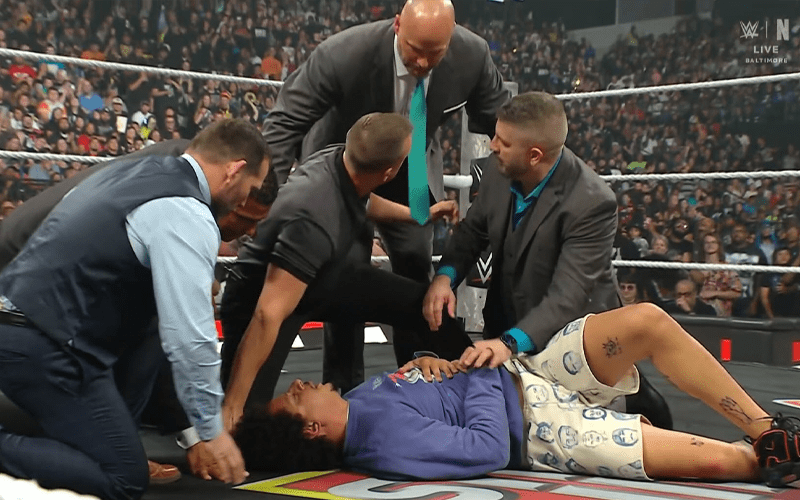
Should Fatu falter against Knight, Sikoa will have to enter the ring to salvage the situation himself. That puts him face-to-face with an opponent who excels at capitalizing on leadership mistakes.
The friction inside Bloodline 2.0 is getting harder to hide. Fatu's facial expressions on Monday revealed a powerhouse growing frustrated with taking orders from a leader who rarely takes the physical beating himself.
When a leader delegates all high-risk physical duties to an enforcer, structural resentment builds fast. Sikoa holds the microphone and the lineage, but Fatu holds the physical control inside the squared circle.
LA Knight does not need to beat both men in a pure wrestling contest. He simply needs to force Fatu past his patience threshold and let the internal communication breakdown do the rest.
Pay close attention to the positioning during the closing segment on Raw. Sikoa stood safely two steps back on the floor while Fatu took heavy right hands from Knight near the ropes. Sikoa never stepped forward to absorb a single blow.
LA Knight has spent weeks studying Sikoa's ring commands. During press interactions leading up to the July 20 show, Knight repeatedly pointed out Sikoa's habit of yelling specific keywords before Fatu executes a corner whip.
When an opponent learns your verbal play-calling, your tactical advantage disappears. Knight was already leaning away from turnbuckle traps before Fatu even initiated his foot movement on Raw.
Prediction: The collapse of the enforcer model at SummerSlam 2026
SummerSlam 2026 will mark the definite breakdown of Solo Sikoa's tactical experiment. The match data and ring mechanics leave little room for alternate outcomes.
Expect LA Knight to withstand an aggressive opening assault from Fatu through the first 7 minutes. Knight will target Fatu's left knee after a missed corner splash, taking away his springboard launching platform.
With Fatu's base compromised, Sikoa will try to step onto the apron to direct traffic, triggering an argument near the turnbuckle. That brief delay will allow Knight to hit a springboard clothesline followed by the Blunt Force Trauma for the pinfall at the 16-minute mark.
Post-match, Sikoa will attempt to save face by dressing down Fatu in the middle of the ring. But Fatu will slide out under the bottom rope, leaving Sikoa standing alone to face an unforgiving crowd.
Sikoa built his power base on an enforcer he cannot truly command. At SummerSlam 2026, the bill comes due, and Bloodline 2.0 fractures live on pay-per-view.
The statistical odds favor Knight if the match goes past the 15-minute mark. Fatu has never won a televised singles match that extended beyond 14 minutes when forced to fight from behind.
Once Sikoa realizes his instructions are failing, his composure will crumble completely. Expect the post-match rift at SummerSlam 2026 to kick off a multi-month power struggle that leaves Sikoa without a stable to command.
Read Next
- Solo Sikoa is gambling his Bloodline future on a dangerous game
- Solo Sikoa is playing a dangerous game with his Bloodline stable
- LA Knight and Jacob Fatu are heading toward a collision course
- Jacob Fatu vs LA Knight is the chaotic energy Raw needed
- ☀️ WWE SummerSlam 2026 — Full Coverage Hub
- 👑 Roman Reigns Return 2026 — The Tribal Chief