The Post-Backlash Slump
The numbers rarely lie. WWE SmackDown took a noticeable hit this week.
The May 15 edition saw both the key demographic rating and average overall viewership drop significantly compared to the pre-Backlash broadcast. That is a massive problem for a company built on perpetual momentum.
When viewership slides, the front office starts asking uncomfortable questions. Network executives start sending emails. The pressure instantly mounts on the creative team to deliver a spark.
Fans tune out when storylines drag. Post-WrestleMania season is notoriously difficult to book. The unbelievable high of the biggest show of the year inevitably fades.
The immediate fallout at Backlash provides a temporary bridge to keep fans engaged. Then cold reality sets in. The summer stretch is long and grueling.
WWE has to find a way to keep viewers locked in without burning through major main event matchups too early. They failed to do that this week.
This ratings slide reflects a broader, more structural issue with the current product. The Friday night roster feels remarkably thin.
The top of the card is dominated by the same familiar faces cutting the exact same promos. Viewers need a compelling reason to stay tuned.
A predictable two hours of television inevitably leads to channel surfing. This specific ratings drop is the gasoline lighting up the current rumor mill.
Analyzing the Demographic Hit
The overall viewership drop is bad. The decline in the key demographic rating is much worse.
Advertisers pay top dollar for the 18-49 demographic. When that specific number dips significantly from the pre-Backlash edition, alarm bells ring in Stamford.
Older fans might stick around out of pure habit. The younger, more coveted demographic demands constant excitement. They have infinite entertainment options on a Friday night.
If the in-ring action feels slow or the promos sound entirely scripted, the younger audience vanishes immediately. They simply close the app or change the channel.
This is precisely why a high-profile free agent signing makes perfect business sense right now. You need a disruptor. You need an athlete who inherently appeals to that younger demographic.
Ricky Starks brings a younger, more online fanbase with him. His swagger and presentation resonate perfectly with the exact viewers who tuned out this week.
The Free Agency Fix
When ratings dip, wrestling promoters instinctively look for a shiny new toy. The immediate reaction across the industry is that WWE is preparing to make a massive play in the free agent market.
The target? Someone who can immediately slot into the upper midcard and generate instant, undeniable buzz. You cannot fix a stale roster by simply shuffling the deck.
You have to add a joker.
Speculation is currently running wild about several AEW talents whose contracts are reportedly nearing their expiration dates. With Double or Nothing just four days away on May 24, the absence of certain prominent names from the pay-per-view card is raising serious eyebrows.
Ricky Starks is the name most frequently whispered in these backstage conversations. His current contract status remains one of wrestling's worst-kept secrets.
Starks fits the modern WWE mold perfectly. He looks like a massive star.
He cuts a promo with the kind of polished, biting arrogance that thrives in the heavily produced WWE system. His current booking in AEW has been incredibly start-and-stop, leaving him visibly frustrated during television appearances.
A high-profile jump to WWE feels less like a wild guess and more like a logical career progression.
WWE desperately knows the value of a high-profile defection. It completely shifts the media narrative.
Instead of talking about declining viewership and boring television segments, the conversation instantly becomes about the shocking new arrival. It is a tried and tested booking strategy. It works.
Assessing the SmackDown Roster
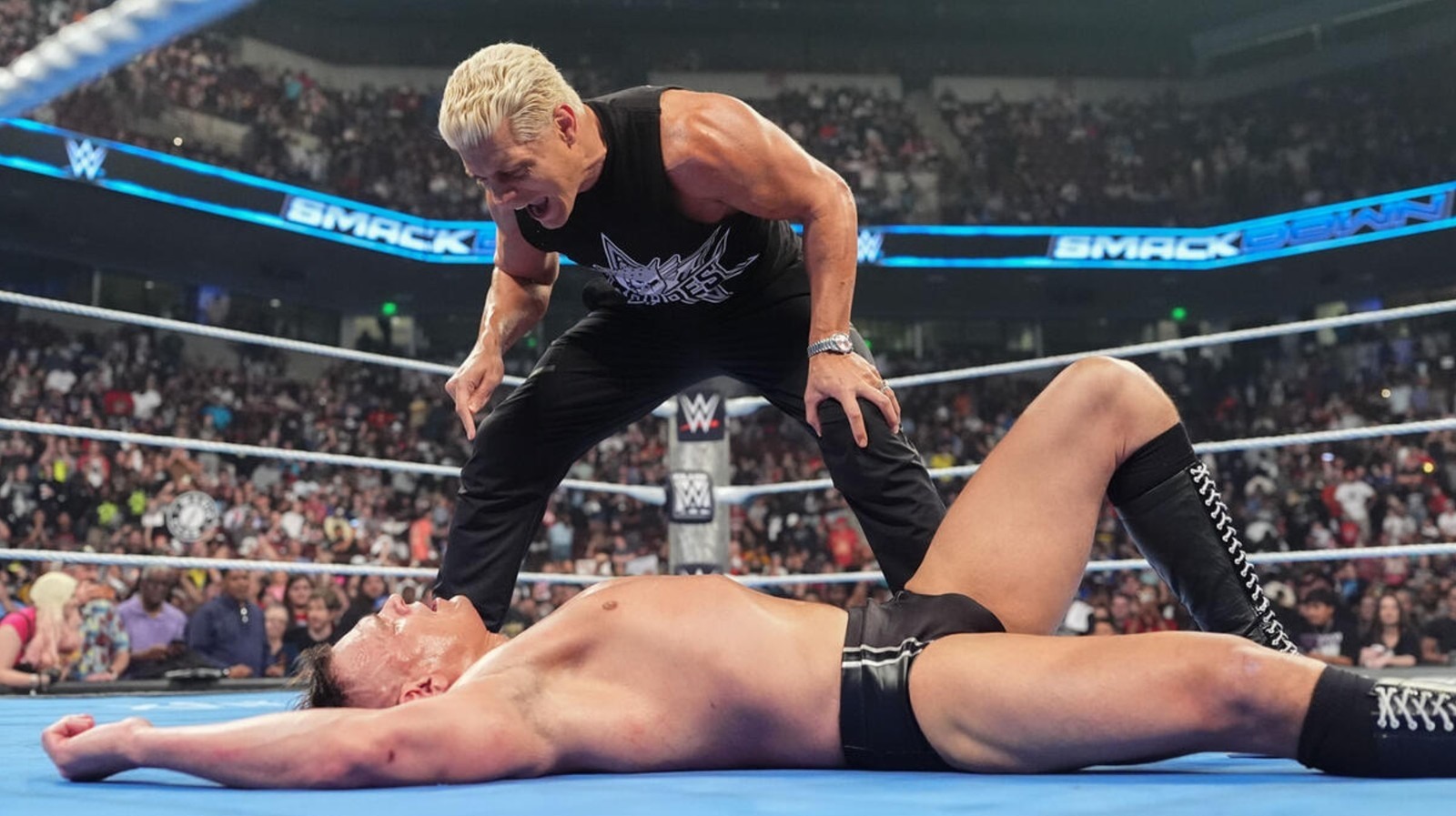
Look at the current state of Friday nights. Cody Rhodes is doing heavy lifting as the champion, but he needs fresh challengers.
The Bloodline storyline is still chugging along, but the fatigue is real. Fans have watched variations of the same family drama for three straight years.
The midcard is a wasteland of talented wrestlers trapped in fifty-fifty booking. Let us look at what a potential signing actually brings to the table.
You need far more than just a loud debut pop. You need sustained, week-to-week television value.
A top-tier wrestler jumping ship brings a built-in storyline of rebellion and reinvention. They arrive with a massive chip on their shoulder. That energy translates beautifully to live television.
Starks has proven he can hang with elite main event talent. His brutal strap match with Bryan Danielson at All Out and his violent programs with CM Punk showed he absolutely belongs in the upper echelon of the sport.
WWE lacks fresh, dangerous heels on the SmackDown brand who can genuinely antagonize the live crowd without relying on cheap, repetitive heat. Starks offers a distinct, aggressive flavor of charisma that the blue brand desperately needs right now.
The Reality of WWE Debuts
This is where we have to be harshly critical. WWE does not always stick the landing with major free agent signings.
In fact, they frequently fumble the ball. For every Cody Rhodes who rockets straight to the moon, there are multiple talented wrestlers who debut to massive fanfare only to be wrestling meaningless matches on Main Event six months later.
The company has a terrible habit of signing talent simply to keep them away from the competition. They hoard wrestlers like trading cards.
A flashy, high-budget debut vignette does not guarantee long-term creative success. If WWE signs a major name to combat this recent ratings drop, they need an actual, concrete six-month plan for them.
Booking frantically week-to-week is exactly what caused the ratings slide in the first place.
Slotting a brand new signing directly into a heatless feud with a midcard champion is the standard WWE playbook. It is safe. It is also completely uninspired.
If WWE truly wants to move the needle and pop a massive rating, they need to debut someone with immediate main event stakes. Putting a shiny new free agent in a three-month feud over the United States Championship will absolutely not fix the core viewership issues.
Probability Assessment
So, how likely is a major signing in the immediate future? The probability sits firmly at medium.
WWE does not typically panic over a single week of bad ratings. Paul Levesque has shown incredible patience with his booking strategy since taking creative control.
He prefers long-term, slow-burn storytelling over frantic, hot-shot booking to pop a temporary number.
However, the optics matter tremendously. The drop from the pre-Backlash numbers was explicitly described as significant. Network executives absolutely notice these things.
The pressure to maintain a strong, consistent viewership floor is immense. If the right talent is available and willing to make the jump, WWE has the massive financial muscle to make it happen quietly and violently fast.
The timing remains the biggest obstacle. Contracts in professional wrestling are notoriously complex and heavily guarded secrets.
Finding a major star who is completely free and clear to debut on SmackDown within the next month is incredibly difficult.
The most likely scenario is a deliberate, slow build. WWE might start dropping subtle, cryptic hints on television to slowly build anticipation before finally pulling the trigger.
Expected Timeline and Impact
If a secret deal is somehow already struck, do not expect a debut this Friday.
WWE prefers to heavily promote their surprises or save them for premium live events to maximize the social media impact. With massive stadium shows looming on the summer schedule, those events offer a much larger, brighter stage for a game-changing debut.
The impact of a major, completely unexpected signing would be immediate. It forces the rest of the lazy roster to step up.
Intense competition for limited television time breeds significantly better in-ring performances. A new top-tier talent completely disrupts the established locker room hierarchy.
It creates fresh, exciting match combinations that fans have never seen before. A single, perfectly timed Roshambo can completely change the energy of a broadcast.
More importantly, it forcefully changes the conversation. Professional wrestling is entirely built on perception.
Right now, the overwhelming perception is that SmackDown is suffering a brutal post-Backlash hangover. A single, shocking debut rewrites that tired narrative instantly.
The ratings might have dropped dramatically this week. But in the wrestling business, a single chaotic segment can completely change the trajectory of an entire year.