The internet wrestling community needs a reality check
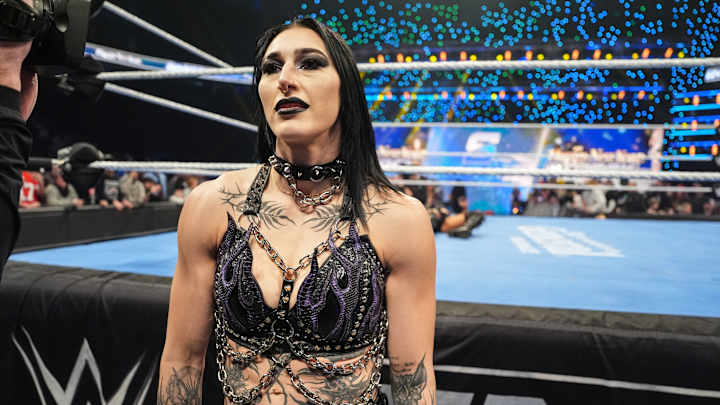
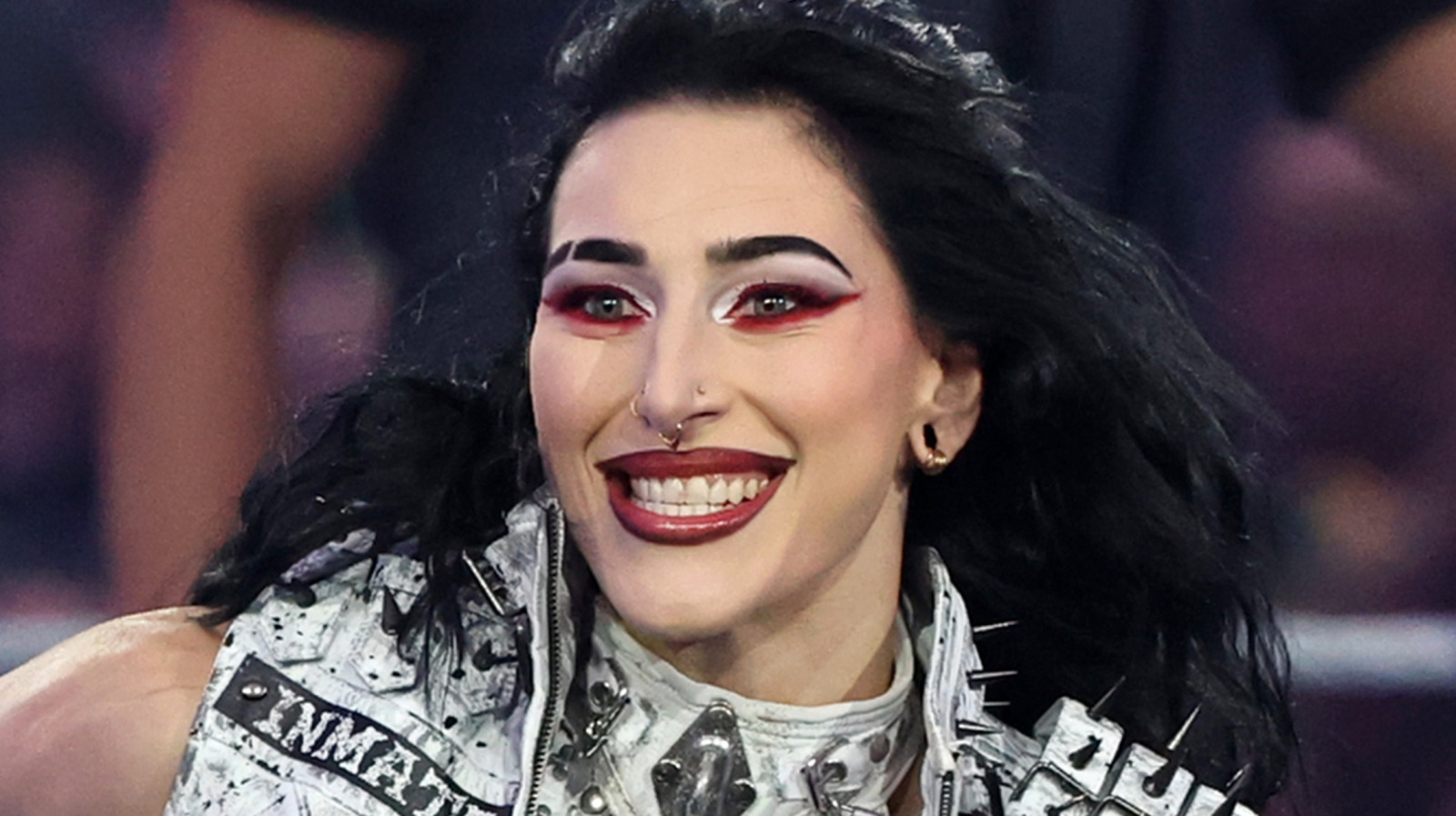
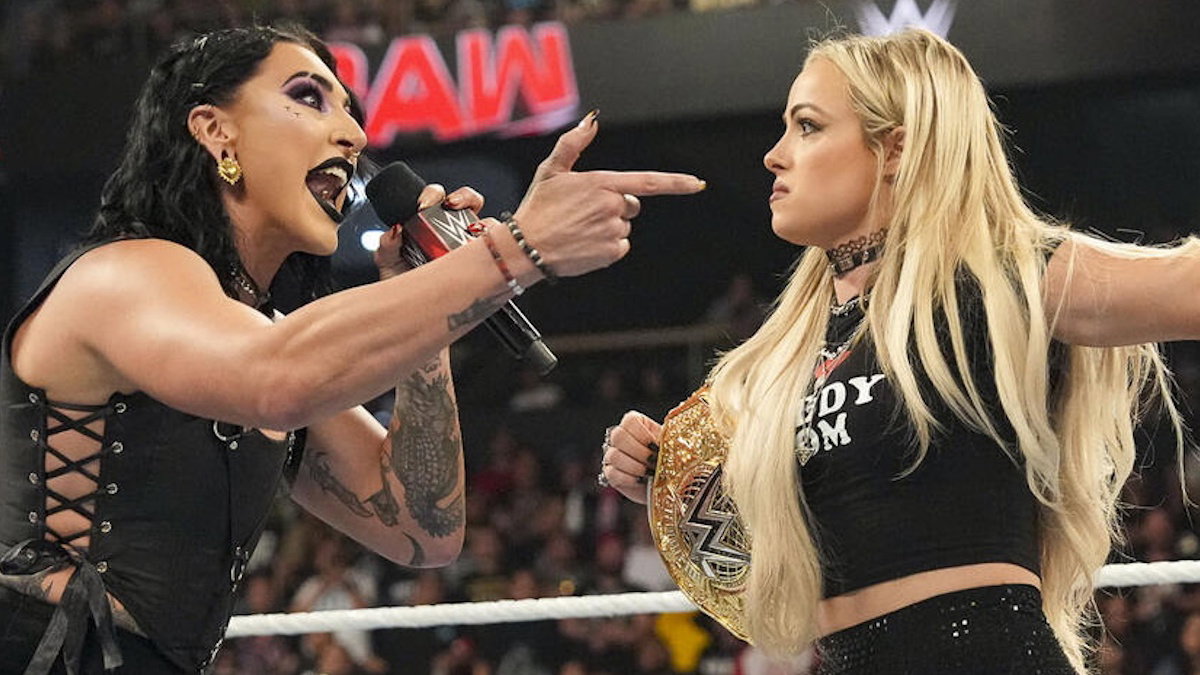
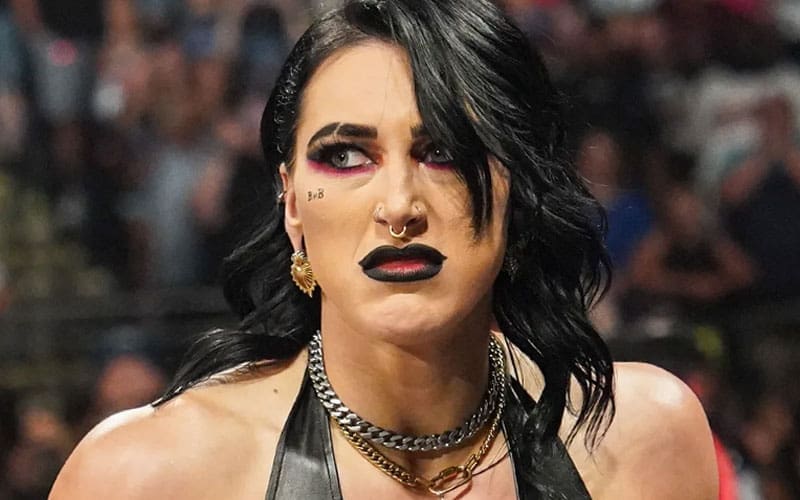
Let’s be real for a second. The discourse surrounding top-tier talent like Rhea Ripley has hit an all-time low. Scrolling through the muck on social media lately, you get the distinct impression some fans believe hate-tweeting a superstar is some sort of performance art. As reported by BodySlam.net, Rhea has opened up about how difficult it is to engage with platforms like Twitter when the feedback is just a mindless barrage of vitriol from accounts that have zero clue who she actually is as a human being.
The toxicity has reached a point where fans are actively hiding behind the 'heel' persona excuse to justify being genuinely malicious. Rhea recently blasted individuals who use the excuse of playing a character to shield themselves from standard human decency. It is one thing to root for the wrestler in the ring, but pretending that constant negativity is just part of the job is a pathetic cop-out.
The human cost behind the curtain
This isn't just about a wrestler getting thin-skinned. Rhea recently spoke about her past struggles with an eating disorder, as documented by F4WOnline, and yet, the discourse frequently circles back to attacking her personal choices and character appearance. The lack of empathy is genuinely staggering.
You go on these threads and see people acting like they've cracked the code on what 'true wrestling fans' look like. It’s a sad state of affairs. One user recently summed up the divide in a Reddit thread, noting: 'Some people seem to think that just because she’s a powerhouse on screen, she’s immune to the psychological tax of being told she’s trash 24/7 by strangers.' Another countered with the classic 'toughen up, it’s show business' defense, which frankly ignores that even the greatest performers deserve to be treated like adults, not targets.
Why the divide exists
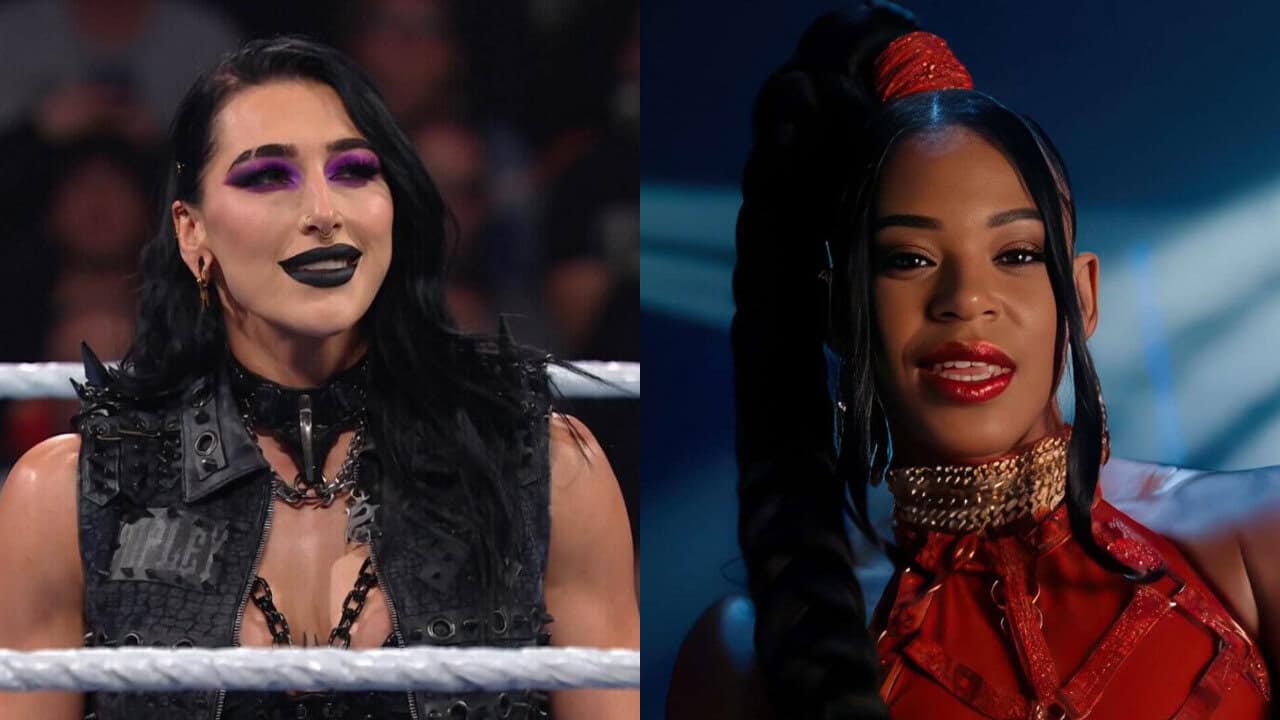
The enthusiasts want to treat Rhea like the legend she is, focusing on her in-ring intensity and the storytelling she brings to every feud. They see her missing peers like Bianca Belair—expressing a desire for a return that WrestlingNews.co captured perfectly—as evidence of her being a professional who respects the craft. These folks argue that the product is better when the talent supports one another and the focus stays on the actual matches.
Conversely, the contrarians are convinced that because they pay for subscriptions, they are entitled to dictate how the talent conducts their lives. They view the social media interaction as a 'modern connection' rather than what it is: unmitigated harassment. The argument that 'fans are just playing the game' is the weakest take in the room. If your version of playing the game involves personal attacks, you aren't a fan — you're just a headache with a keyboard.
The verdict: Stop being an embarrassment
Here is where I land: The people defending the toxic pile-ons are the absolute worst part of this corner of the internet. It takes zero effort to be a decent person, yet people go out of their way to make sure they get noticed for being awful. The fact that someone like Rhea, who has been incredibly vulnerable about her mental health and body image, still has to deal with this clown show is testament to the fact that we have a massive maturity crisis.
We are just 2 days away from WrestleMania 41, and instead of focusing on the spectacle, we are dealing with the fact that performers can't even open their phones without getting hit by a wall of spite. Rhea Ripley is carrying a significant weight for the brand, and no number of internet 'critics' is going to change the fact that she has reached an elite level of performance that most of the keyboard warriors would crumble under in 5 seconds.
The fans who think they are clever by being nasty are missing the entire point of the sport. We show up to watch the athleticism and the drama, not to turn the performers' lives into an 800-page psychological thriller of bad takes. If you find yourself needing to attack a woman for her past health struggles or her character portrayal, put the phone down, walk away, and take a long look in the mirror. It’s time to grow up and let the athletes do their jobs without the constant, exhausting background noise of people who just love to hear themselves complain.