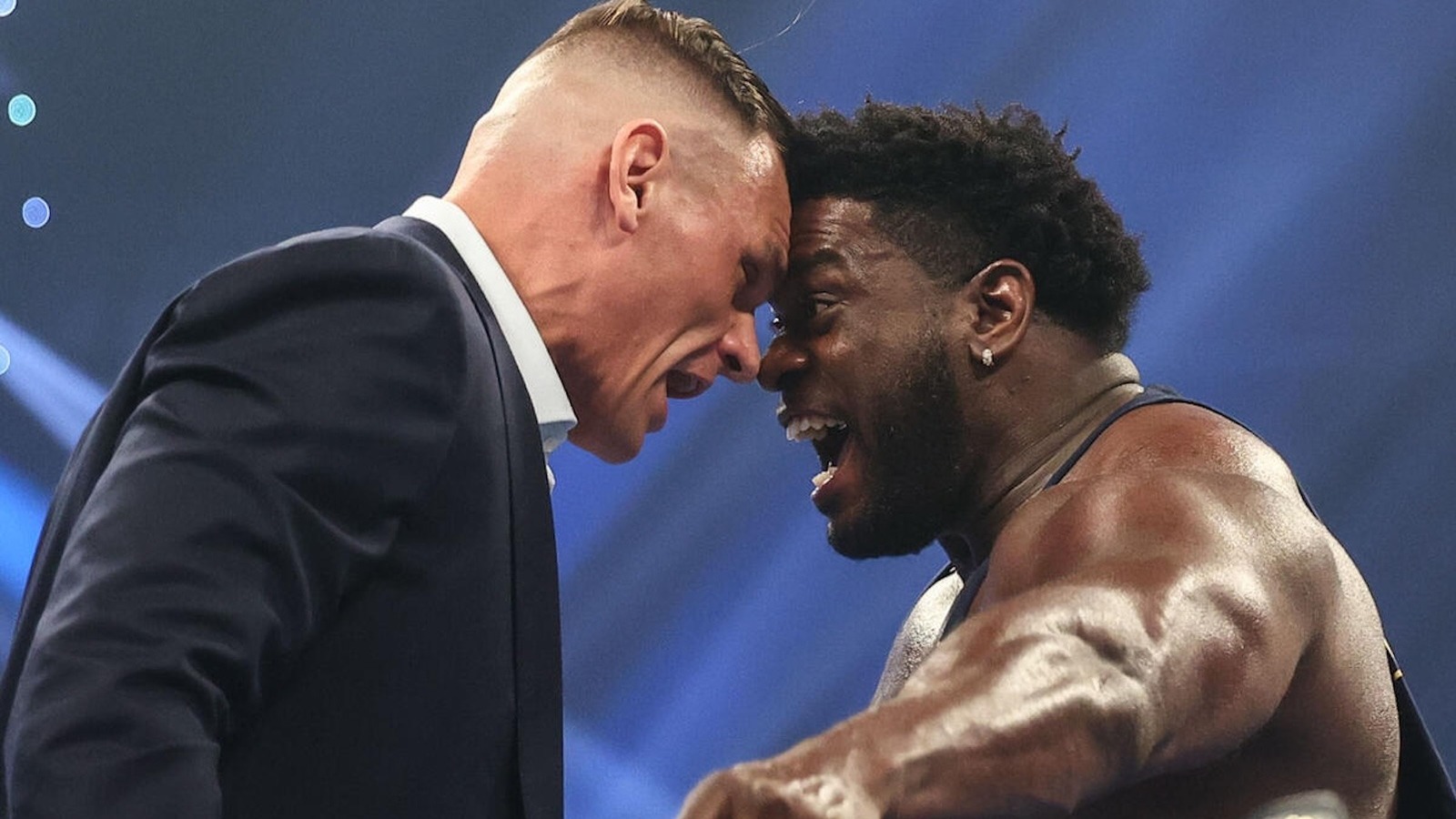
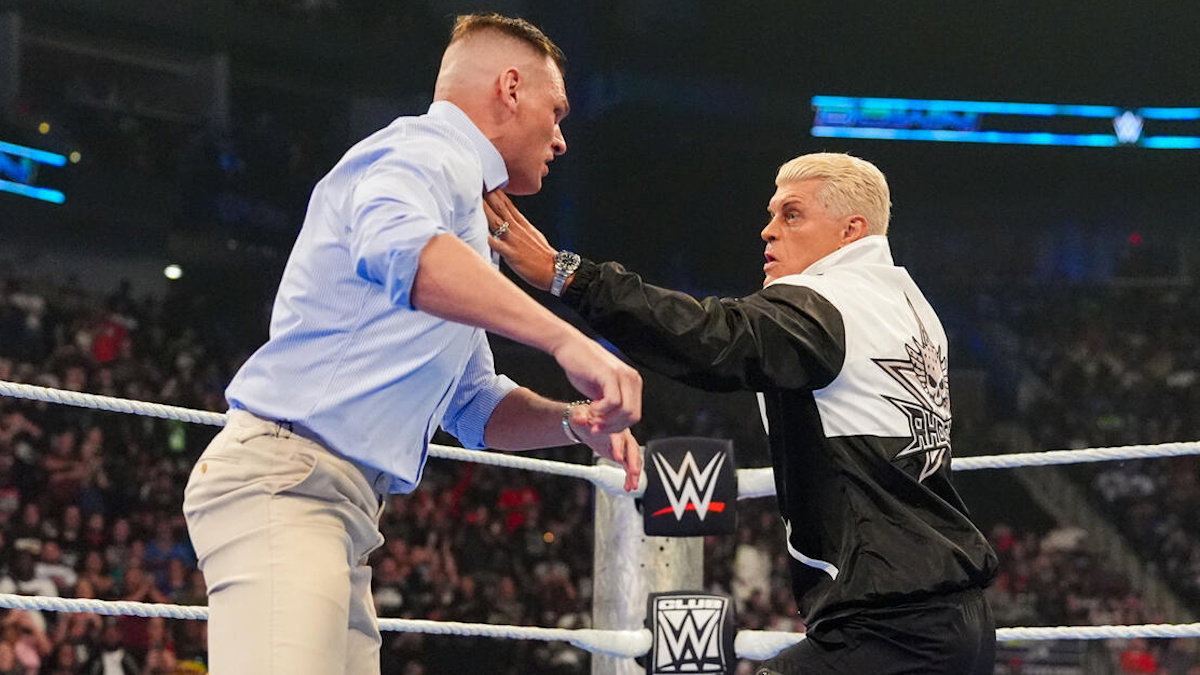
The stagnant reality of Monday nights
The May 18 edition of Monday Night Raw offered a stark reminder of WWE's current creative rut. If you review the recent video highlight dumps, they tell the entire story without requiring you to watch the three-hour broadcast. We are witnessing the slow, agonizing death of the modern WWE main event formula.
The post-WrestleMania 41 momentum has vanished completely. What replaced it is a rigid, assembly-line approach to professional wrestling. You can accurately predict the sequence of every match before the opening bell even rings.
A babyface hits a standard dive to the outside. The heel inevitably takes control during the commercial break, trapping the hero in a lifeless rest hold. The crowd goes completely dead, waiting for the heavily scripted comeback sequence.
This match layout is entirely unsustainable. It demands patience from an audience that is receiving absolutely no payoff for their investment. The fans in the arena are sitting on their hands because they know exactly when the false finishes will actually matter.
The mechanical breakdown of the WWE style
Watch the footwork of the top stars in the ring right now. There is a bizarre hesitancy in their transitions. Everyone is simply killing time, waiting to get into position for the next pre-planned spot.
The spacing in the ring is consistently terrible. A wrestler will take a bump in the corner, and the attacker has to awkwardly stall before delivering their signature strike. It completely shatters the illusion of a competitive fight.
Compare this to the fluidity of peak 2010s New Japan Pro-Wrestling. The gap in execution is alarming. WWE's current top tier wrestles like they are trying to remember choreography, not win a fight.
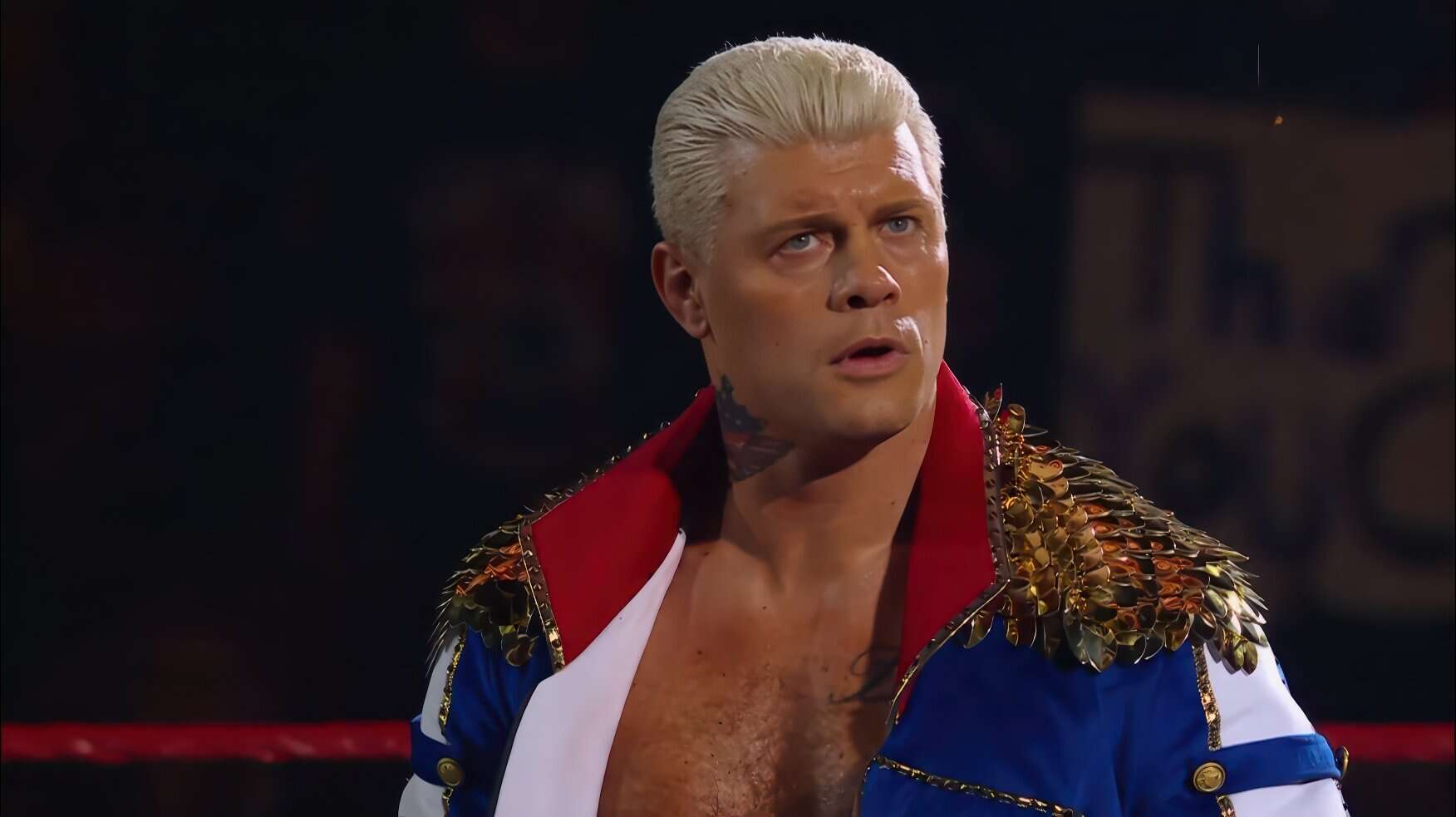
The Cross Rhodes sequence perfectly illustrates this flaw. Cody Rhodes takes entirely too much time to set up his finisher. He hooks the arms, stares at the hard camera for a reaction, and then finally drops his opponent.
That theatrical pause is deadly for ring psychology. A competent heel should recognize that delay and counter the move every single time. Instead, the opponents just stand there helplessly, waiting to be dropped on their heads.
The Cody Rhodes pacing problem
This brings us to the upcoming challenger problem. The roster is currently heavily weighted toward brawlers who desperately need a seasoned ring general to guide them through a match. When you put two of these guys in the ring together, the action grinds to a miserable halt.
We saw exactly this on Monday night. The strikes look pathetic because they are thrown without bad intentions. A forearm smash is supposed to look like a concussive blow.
Instead, we are subjected to these light, theatrical slaps to the upper chest. It looks terrible on television. It exposes the business in the worst possible way, making the performers look like stuntmen going through the motions.
I fully expect the next major premium live event to feature a severely compromised main event. The booking committee will inevitably force an epic 35-minute match when the competitors only have enough gas for half that time. The live crowd will reject it outright.
You can already hear the restless murmurs during these slow heat segments. The audience wants urgency. WWE insists on giving them molasses.
The contrast with AEW Double or Nothing
Look at the wider industry timing. We are just days away from AEW Double or Nothing. Tony Khan's promotion has its own deep, structural flaws, but slow match pacing is rarely one of them.
AEW consistently crams too much high-impact offense into their allotted time. Right now, that chaotic energy looks incredibly appealing compared to the sluggish, predictable pace of Monday Night Raw. WWE is essentially handing their competition a massive stylistic advantage.
Fans watching Double or Nothing this weekend will see wrestlers hitting the ropes with genuine speed. They will watch sequences that look aggressive, dangerous, and spontaneous. It makes the Raw product look incredibly dated by comparison.
The WWE production values are undeniably world-class. The lighting, the sets, and the video packages are flawless. But the actual in-ring product feels like it is permanently stuck in first gear.
The midcard is a stylistic wasteland
The midcard is suffering from the exact same stylistic disease. Look closely at the recent Intercontinental Championship picture. Every single bout starts with a collar-and-elbow tie-up, transitions to a side headlock, and features an arbitrary shoulder tackle.
It is pure rote memorization. Wrestling is at its absolute best when it feels like a real athletic contest breaking down into chaos. Raw currently feels like a synchronized swimming routine performed on a wrestling mat.
Then there is the persistent television production issue. The production truck still relies on unnecessary camera cuts on every major impact. It completely ruins the visual feedback of a heavy slam.
A massive powerbomb loses all of its visceral impact when the camera violently jerks to a different angle right as the wrestler hits the canvas. This over-production strips the raw emotion from the product. It sanitizes the violence and distances the viewer from the action.
The ghost of the Bloodline style
The shadow of the Bloodline continues to suffocate the upper card. Even with Roman Reigns operating on a reduced schedule following WrestleMania 41 in Las Vegas, the stylistic hangover remains. Everyone is trying to wrestle the main event style he established.
That style relies heavily on slow walks around the ring, trash-talking the front row, and endless referee distractions. It was effective when Roman was building unprecedented heat. It is incredibly tedious when applied to every other feud on the roster.
You cannot copy and paste the psychological framework of a generational storyline onto random midcard feuds. A grudge match between two mid-tier guys should not feature a five-minute sequence of slow stares and monologues. It should feature punches to the face.
The audience has been conditioned to expect these long, drawn-out matches. But they are actively rejecting the imitation versions. When everyone tries to wrestle an epic masterpiece, nobody actually achieves it.
Deceptive editing cannot fix live pacing
This brings us back to the May 18 Raw videos. The clips highlighted online show a production team desperately trying to manufacture epic moments. They are relying on slow-motion replays and dramatic music to sell matches that were fundamentally boring live.
The contrast between the live reaction and the packaged video highlights is staggering. On television, you hear piped-in crowd noise trying to mask a silent arena. In the highlights, they chop out the agonizing rest holds to make the match look action-packed.
This deceptive editing proves that WWE knows exactly what their problem is. They know the matches are too long. They know the pacing is broken. But they refuse to fix it on the actual live broadcast.
Instead, they rely on the digital team to save the product after the fact. It is a cynical approach to television production. You are punishing your most loyal viewers while rewarding the casual fan who just watches YouTube clips.
The prediction: A harsh summer reset
This brings me to my firm tactical prediction for the summer months. The WWE Championship will change hands before the end of July. The booking committee cannot ignore this stagnation forever.
Cody Rhodes is an excellent ambassador for the brand. He looks like a champion and handles the media perfectly. But his current run of methodical, slow-burn matches is failing to hold the audience's attention during a marathon broadcast.
WWE desperately needs a champion who forces a significantly faster pace. They need an arrogant heel or a chaotic tweener who works a frantic, desperate style. They need someone to inject actual adrenaline back into Monday nights.
I am projecting a massive title change on a B-level premium live event. WWE will use a lesser show to shock the audience and forcibly reset the main event hierarchy. The current reliance on slow, methodical pacing is killing the crowd heat nationwide.
The next champion will be someone who sprints to the ring. They will wrestle like they are double-parked outside the arena. The metrics will ultimately force the booking team to pivot.
Merchandise sales and social media engagement numbers are impressive. But they cannot permanently mask a fundamentally boring television product. The fix is simple, yet painful for a stubborn creative team.
Cut the match times down by at least 30 percent. Increase the physical intensity of the strikes. Stop wrestling for the hard camera and start wrestling the actual opponent standing in the ring.
Until these mechanical changes are implemented, Raw will remain a tedious chore to sit through. My prediction is locked in for the next 60 days. The championship drops before SummerSlam, and the entire television structure gets a violent overhaul.
Read Next
- Raw's final stop before Saturday Night's Main Event demands urgency
- Top 10: Top Moments in Wrestling So Far This Year
- Brock Lesnar just blew the roof off Greensboro and Oba Femi is the target
- Cody's title run faces its biggest threat yet in Gunther
- 🏆 WrestleMania 41 — Full Coverage Hub
- 💥 WWE Backlash 2026 — Full Coverage Hub