The Booking of a Real-World Felony
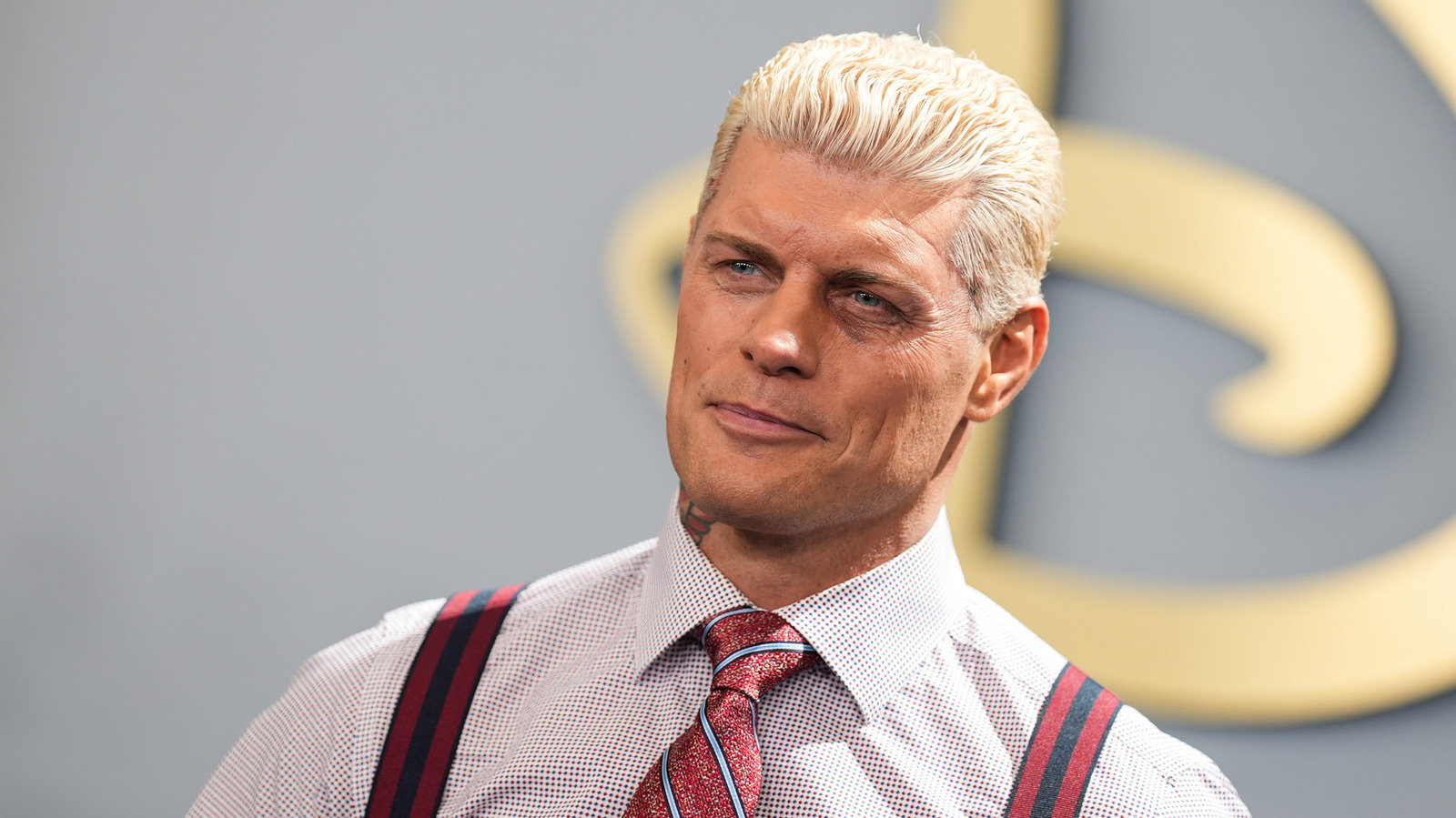
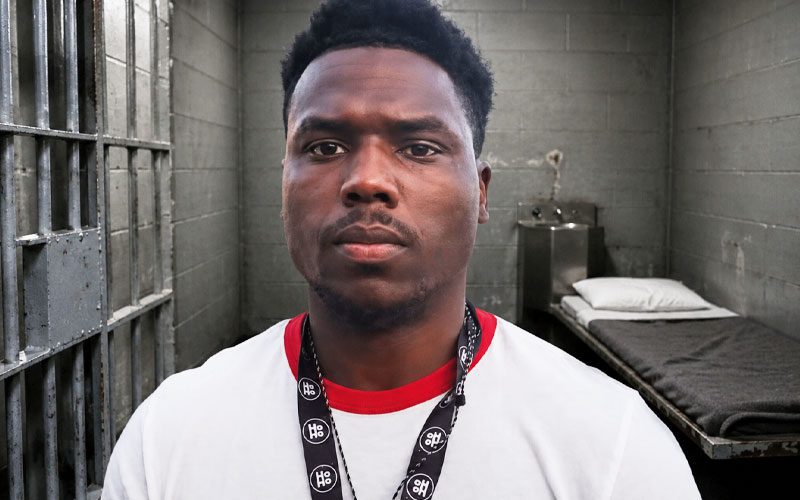
Two days ago, on July 2, 2026, Raja Jackson reported to Los Angeles County jail to begin his 90-day sentence. The son of MMA icon Quinton 'Rampage' Jackson entered the facility following a plea deal that closed the legal chapter on one of the most disgraceful incidents in modern independent wrestling history. According to reports from Wrestling Inc, Jackson pleaded no contest to felony battery with serious bodily injury, accepting two years of formal probation and a court order to pay $81,703.38 in restitution to his victim, Stuart 'Syko Stu' Smith.
During the sentencing hearing, Smith took the stand to detail the long-term cognitive and physical damage he has suffered since the August 2025 attack. As detailed by PWInsider, Smith stated that he continues to battle memory loss and reduced brain function. Yet, in an act of extraordinary grace, Smith stated in open court that he forgives Jackson.
'People can make terrible decisions in difficult moments,' Smith stated in court, offering forgiveness.
Smith’s capacity for forgiveness is a personal triumph. For the professional wrestling industry, however, the verdict must be far more cold-blooded. Jackson's career is finished, and any promoter who attempts to book him after his release in late September 2026 is inviting a public relations disaster.
Deconstructing the KnokX Pro Footage: 34 Seconds of Negligence
To understand why Jackson has no future in a ring, we must look at the mechanics of the assault itself. The incident occurred at a KnokX Pro Wrestling event in southern California in August 2025. According to court records, Smith had struck Jackson backstage with a beer can while acting in character.
Jackson, who was live streaming on Kick, responded by marching to the ring to initiate a legitimate, non-consensual beatdown, as reported by F4WOnline. The tape reveals a complete breakdown of professional protocol. Jackson stepped through the bottom rope at the 12-second mark of the broadcast clip.
Smith, expecting a worked angle, stood in the center of the ring with his guard down. At the 18-second mark, Jackson bypassed the collar-and-elbow tie-up entirely, throwing a heavy right hook that connected flush with Smith's jaw. What followed was not wrestling.
It was a one-sided assault on a defenseless worker. Jackson landed four more closed-fist strikes, backing Smith into the turnbuckle. A final right hand shattered Smith's maxilla, sending him crashing to the canvas.
Jackson then mounted him, landing three ground-and-pound strikes before referees finally intervened at the 46-second mark. Smith was left unconscious on the mat, having lost multiple teeth and sustained a traumatic brain injury. The physical spacing and lack of defensive positioning from Smith prove he was completely caught off guard.
He trusted his opponent. In professional wrestling, that trust is the only thing preventing catastrophic injury. Jackson violated that trust on a live stream for online clout.
We must also address the shocking negligence of the KnokX Pro ringside staff. The referee on duty stood frozen in the opposite corner for nearly 15 seconds. The locker room failed to empty until Smith was already unconscious.
In any professional environment, the first sign of a shoot attack must trigger an immediate physical shutdown by security and staff. The delay in protecting Smith was an administrative failure of the highest order. Promoters cannot afford to repeat this mistake.
The Restitution Math and Corporate Risk
The financial details of Jackson's plea deal tell a story that promoters cannot ignore. The court ordered Jackson to pay $81,703.38 in restitution. This is not an arbitrary fine.
It is a calculation of real medical expenses required to repair a shattered face and treat a damaged brain. In today's corporate-backed wrestling market, those numbers represent a massive liability hazard. Consider the corporate structure of the major players.
WWE operates under the umbrella of TKO Group Holdings, a publicly traded entity answerable to shareholders and institutional advertisers. AEW is owned by the Khan family and broadcast on Warner Bros. Discovery networks. Neither company can afford the liability of putting a convicted felon with a documented history of shooting on coworkers on their television programs.
Wrestling promotions rely on specialized insurance policies to cover their performers. If a promotion signs a wrestler who has a felony conviction for in-ring battery, their insurance premiums would skyrocket. No executive is going to explain to their board why they risked a multi-million dollar television deal to give a developmental slot to an unproven, dangerous worker.
The Historical Precedent of In-Ring Shoots
Wrestling history is littered with performers who went off-script and paid the price. In 2017, Sexy Star locked in a legitimate armbar on Rosemary at TripleMania XXV, popping her shoulder. The backlash was immediate.
She was stripped of the AAA Reina de Reinas Championship and effectively blacklisted from every major American promotion, never working a prominent US date again. An even more severe case occurred in Japan in 2015. Stardom performer Yoshiko went into a full shoot on Act Yasukawa, breaking her cheek and orbital bones.
Yoshiko was suspended indefinitely, stripped of her title, and eventually forced to resign from the promotion. While she later returned to work for smaller, low-profile Joshi groups, her path to mainstream stardom was permanently destroyed. Jackson's actions are even worse because they resulted in criminal prosecution.
The data shows that the career trajectory for shoot performers is a steep downward cliff. Once you cross that line, the industry closes its doors to protect its assets. No amount of family lineage can bypass this reality.
- Yoshiko: Suspended indefinitely, stripped of World of Stardom Championship, banned from major platforms.
- Sexy Star: AAA contract terminated, blacklisted from All Elite Wrestling and major US independents.
- Raja Jackson: Jailed for 90 days, placed on two years of formal probation, banned from reputable promotions.
The pattern is clear. The wrestling business will tolerate wild backstage behavior, but it will not tolerate a worker who turns the ring into a crime scene. Once you cross that line, the industry closes its doors to protect its assets.
The Post-Jail Prediction
Jackson is scheduled for release in late September 2026. What happens next? We predict that he will attempt to return to the ring.
He will likely find a handful of unregulated, bottom-tier promotions in California willing to book him for cheap heat. These outlaw shows do not care about athletic commission rules or worker safety. But that return will be short-lived.
The moment his name appears on a flyer, the online backlash will be intense. Fans will protest, and sponsors will pull out. Promoters who value their relationships with state athletic commissions will refuse to share a card with him.
Within a year of his release, Jackson will be forced out of the wrestling business entirely. He may try to transition to MMA, hoping to trade on his father's name. Even there, his path is blocked.
Athletic commissions are highly cautious about licensing individuals with recent felony battery convictions, especially when the violence occurred in a simulated combat environment. His athletic prime will be spent in legal limbo. His wrestling career is finished.
Raja Jackson's conviction is a warning to the entire independent scene. The ring is a workspace, not a place to settle personal grudges for streaming clicks. His 90-day sentence is just the beginning of his punishment.
The real sentence is the permanent end of his wrestling dreams. He traded a promising athletic future for a brief moment of unscripted violence. The cost was far higher than he ever anticipated.