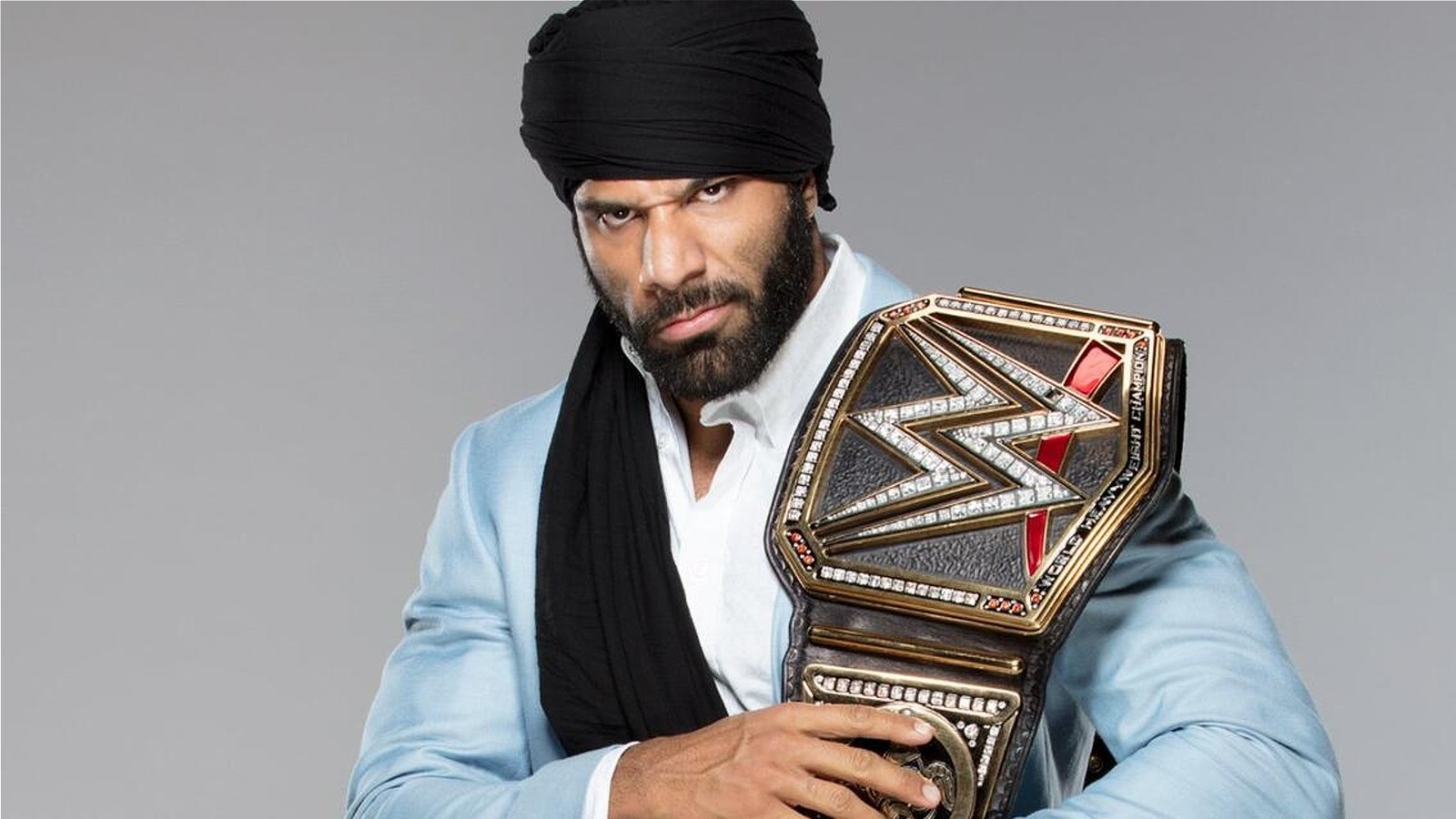
Measuring value beyond the championship belt
The arc of Raj Dhesi, formerly known as Jinder Mahal, remains one of the most polarizing data points in modern wrestling history. When he secured the WWE Championship in 2017, the optics were immediate: a sudden elevation from jobber status to the promotion's centerpiece. Critics pointed to his lack of main-event pedigree, while supporters highlighted his physical transformation and presence.
Dhesi has stated in recent retrospectives that his second tenure was never designed around holding the top prize. This admission fundamentally shifts how we evaluate his utility in the ring. The logic suggests management viewed him as a transitional presence rather than a long-term investment, essentially a high-profile antagonist meant to fuel the momentum of his opponents.
The strategic utility of the second-run specialist
In wrestling analysis, we often obsess over championship success as the only metric of a performer's health. Dhesi's career provides a counter-narrative, proving that being a reliable hand who can work a distinct style matters more than the gold. During his years on the roster, his ability to absorb high-impact sequences without stalling the flow of a match became his primary function.
His technical output, specifically the Khallas, functioned best when utilized against smaller, more acrobatic performers. However, his work rate suffered in extended programs with other power wrestlers. The spacing of his offense often felt rigid, leading to sequences where the match tempo stalled in the 12th minute. His inability to adjust his pace against varied opponents reveals a limitation in his tactical versatility.
What the numbers miss about character work
We often weigh wrestlers by their win-loss record, but the internal metrics used by producers likely tell a different story. If Dhesi is effectively extracting heat from an audience or guiding a younger talent through a twelve-minute segment, his value remains fixed despite a lack of title wins. Many fans criticize booking based on the outcome of a match rather than the content of the performance itself.
We have seen recent performers like Jade Cargill struggle with the physics of the ring, illustrating that raw power needs to be paired with precise positioning to succeed. Dhesi understood his role as the heavy. He hit his marks and carried the heat, even when the creative direction felt aimless. Success in this industry demands more than just a championship win; it demands the ability to survive the mid-card grind for years.
Looking past the titles
Predicting the trajectory of a mid-card veteran is notoriously difficult. If the promotion continues to prioritize spectacle over sound technical wrestling, performers like Dhesi will always be marginalized in favor of greener, flashier talent. My prediction is that the current roster philosophy will move away from the 'Dungeon 2.0' approach seen with talent like Maxxine Dupri, signaling a shift toward more specialized roles. Dhesi will likely conclude his career as a cautionary tale: a man who held the big belt but never truly controlled his creative destiny. The numbers suggest he was a useful piece of the puzzle, but never the glue that held the show together.