The end of a Dorchester icon
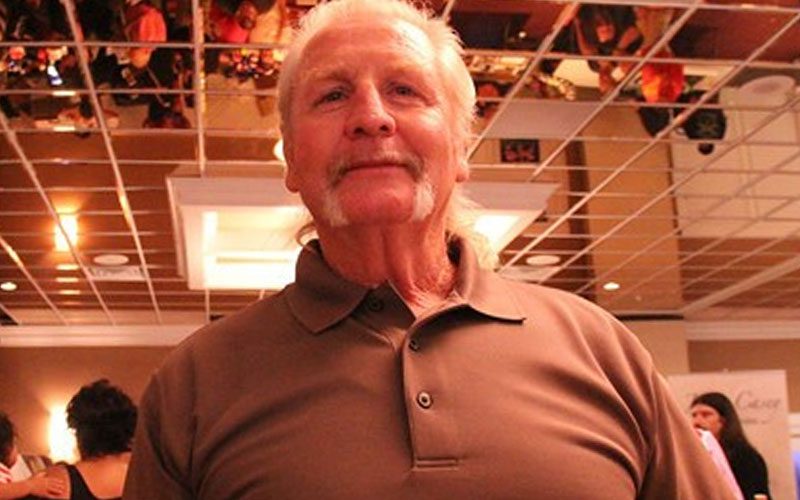
Professional wrestling lost a genuine throwback yesterday with the passing of Pete Doherty, famously known as The Duke of Dorchester. He died at 85, leaving behind a legacy defined by hard-nosed work in the ring and a connection to the territorial era that current performers rarely experience. The Cauliflower Alley Club confirmed the news, triggering an outpouring of respect from veterans who remember his grueling style.
Doherty didn't rely on flashy athleticism. He built his reputation in the 1960s and 1970s through consistent, abrasive work typically seen in the Boston territory. If you grew up watching cards at the Boston Garden, you knew exactly what you were getting when his music hit. He wasn't there to trade high-fives; he was there to antagonize the front row and grind his opponent into the mat.
Reflecting on a territorial grind
Doherty’s career spanned an era where television was a localized luxury and house shows were the primary income. He specialized in heat-generating maneuvers that forced fans to shell out hard-earned cash for a ticket just to see someone eventually get the better of him. This was the blueprint for every successful mid-card heel that followed him in the northeast circuit.
His physical durability was a necessity, not an option. Working nightly schedules with limited recovery time meant that technical proficiency and smart psychology were essential for longevity. While modern scheduling utilizes advanced recovery protocols, Doherty’s generation relied on sheer grit and long-term callouses. Modern fans often overlook how vital these characters were to keeping the live attendance numbers high enough to keep the major leagues afloat.
Legacy of the heel persona
Doherty was an expert at the craft of being disliked. His work alongside peers in the New England area served as a foundational block for the regional promotion model. Critics might argue that his style lacked the technical variety seen in today’s scene. However, that observation misses the specific mandate of his character: to be the most frustrating man in the building so the faces could thrive.
The shift away from territory-based wrestling meant that talents like Doherty became living artifacts of a disbanded philosophy. While the move toward standardized global branding has benefits, it has stripped away some of the local, rowdy character that defined his work. Watching his old tapes is a lesson in economy of motion and crowd control. He managed to get more out of a basic headlock than many modern performers get out of a ten-minute sequence of high-flying maneuvers.
As reported by Ringside News, the news of his death serves as a reminder of how quickly the history of this sport slips away. We are currently watching the final generation of veterans who cut their teeth in the pre-cable era fade from the scene. It is a stark progression that necessitates documenting their contributions before the institutional memory disappears entirely.
There is a specific lesson in Doherty’s career regarding the importance of a character’s internal logic. Whether he was taking a bump or delivering a post-match promo, he never broke the reality of the character. This level of dedication is something the industry continues to struggle with in an age of social media permeability. He was a professional who understood that his job was to generate ticket sales, not content clips for algorithms.
Ultimately, the industry is poorer for losing a man who carried a territory on his back. While the business moves toward 2026 standards of high-output, low-risk logistics, the foundation remains the brawling style that Doherty mastered. The Duke of Dorchester leaves behind a blueprint for how to work a crowd without needing a single pyrotechnic display. He deserves the recognition as a pillar of the old guard.