The McAfee Factor and the WrestleMania 42 Main Event
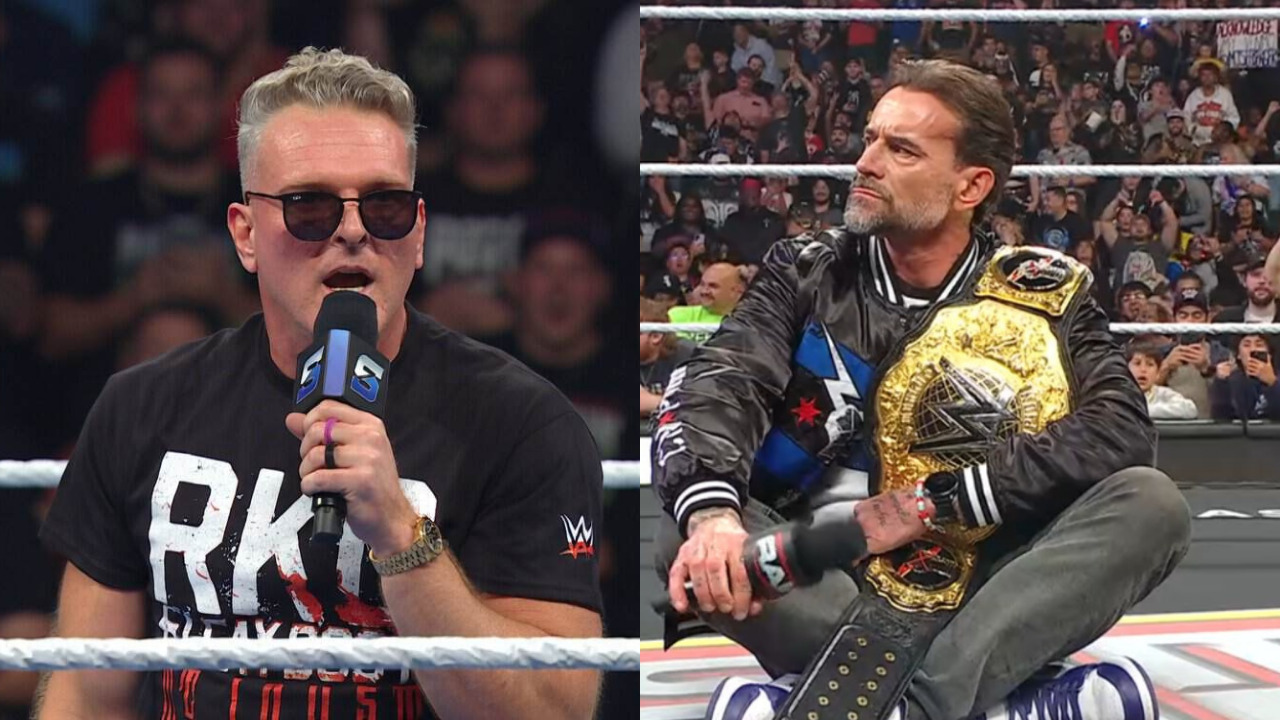
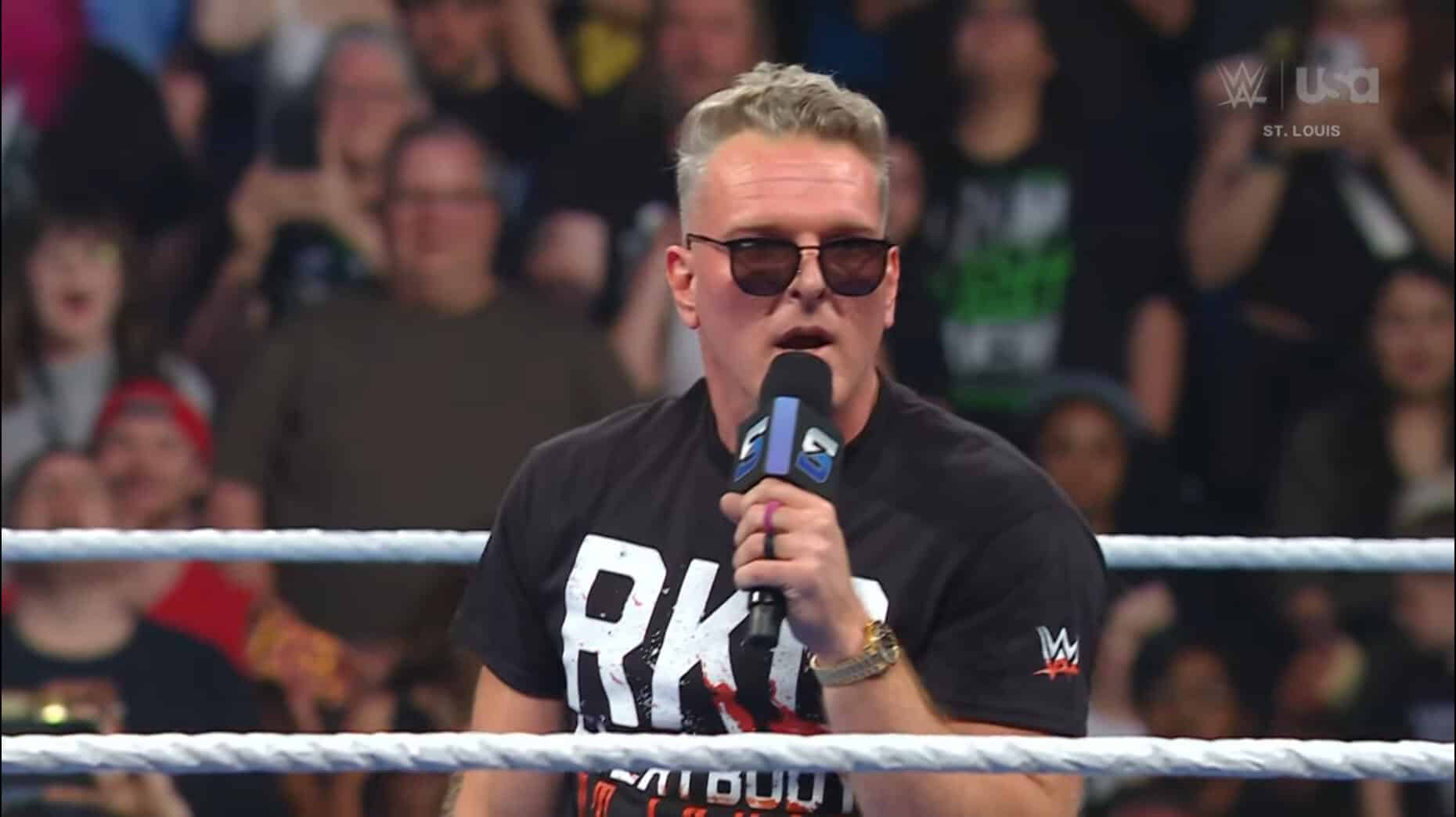
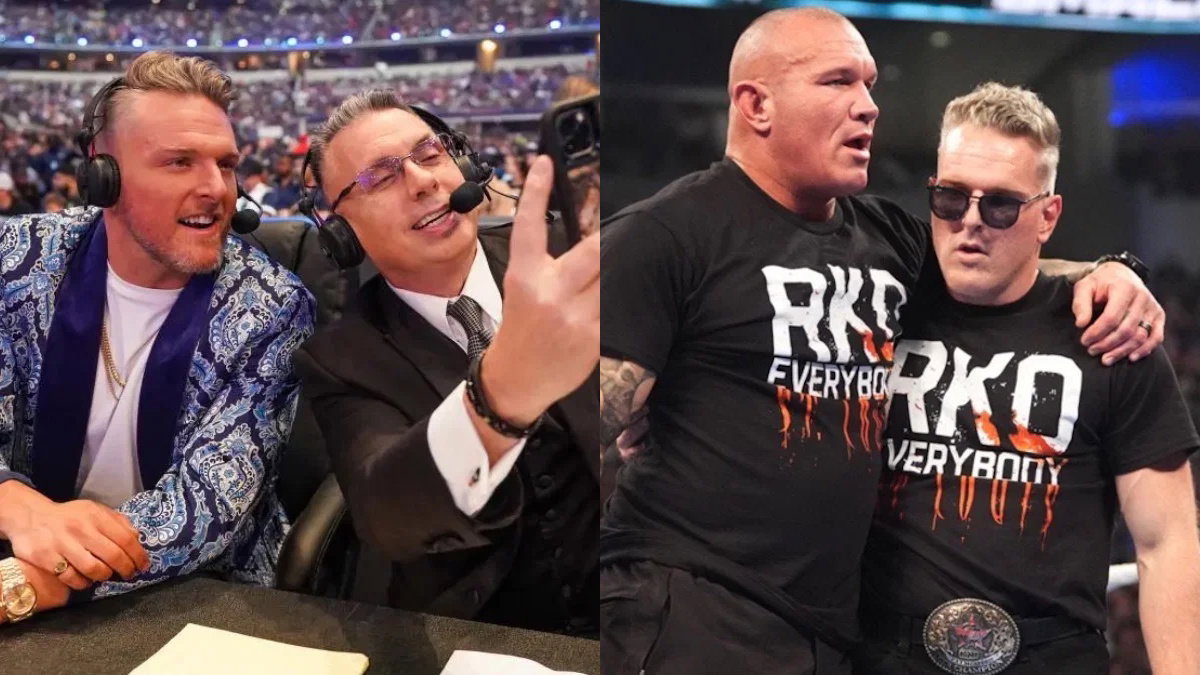
As WrestleMania 42 fast approaches, the involvement of Pat McAfee in the Cody Rhodes-Randy Orton program has become the most contentious talking point in professional wrestling. Triple H has doubled down on the strategy, publicly defending the noise surrounding McAfee’s role. While the internal logic suggests that any engagement is good engagement, the friction is becoming impossible to ignore.
McAfee’s return hasn’t been met with universal acclaim behind the scenes or on screen. Announcer Michael Cole recently went on record noting he’s glad for the return, but he tempered his enthusiasm by admitting he remains unsure about the specific mechanics of how it unfolded. When a voice as synonymous with the WWE product as Cole expresses skepticism, it usually signals a deep-seated disconnect between management’s goals and the viewer experience.
Creative Friction and The Tourist Critique
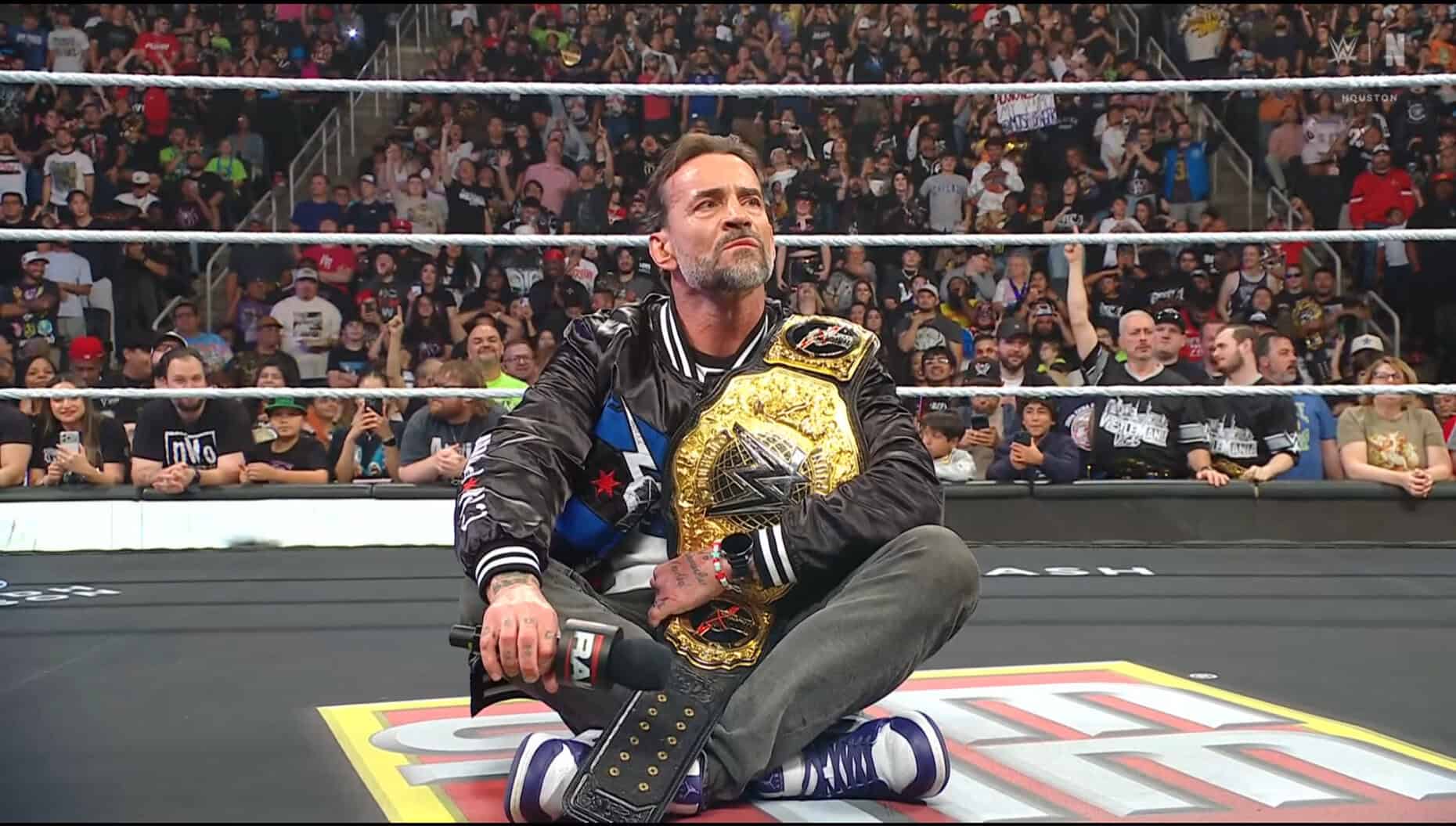
The heat isn’t limited to the booth. World Heavyweight Champion CM Punk has been vocal about his dismissal of McAfee, openly labeling him a tourist who doesn't belong in the high-stakes world of a WrestleMania main event. This isn't just standard kayfabe banter; the underlying tension suggests a frustration among full-time talent regarding the allocation of premium screen time to part-time, non-wrestler contributors.
Booking McAfee into a feud involving the caliber of Cody Rhodes and Randy Orton is high-risk. It forces the audience to reconcile a high-stakes wrestling narrative with what many perceive as a celebrity side-show. If the execution fails to balance these opposing forces, the company risks alienating a core fanbase that values the traditional gravity of the WrestleMania main event. McAfee has only fanned the flames by mocking fans online who speculated about his potential departure or a jump elsewhere, essentially confirming that he enjoys his role as the company’s designated agitator.
Probability and Future Implications
The probability of this role extending beyond the current cycle is high, but only as a periodic contributor. Triple H seems committed to using McAfee as a lightning rod to draw mainstream attention, regardless of how it sits with the purists. The strategy hinges on the idea that the controversy drives viewership, even if that viewership is driven by fans checking in to see if the experiment falls apart.
The failure point here is clear: diminishing returns. If McAfee continues to be shoehorned into top-tier programs, the novelty will evaporate faster than a mid-card push. WWE is currently operating in a cycle where they are looking toward international expansion, with Nick Khan already setting the stage for future global spectacles like WrestleMania 43. In that context, McAfee serves as a bridge to broader sports audiences, but he does little to enhance the technical prestige of the product.
Risk Assessment
- Creative Risk: High. Placing a secondary figure in a main event program with Orton and Rhodes consumes bandwidth that could be used for rising talent.
- Marketability: High. The goal is noise, and McAfee is generating exactly that.
- Longevity: Low. The backlash from established stars like CM Punk indicates that the tolerance for this booking model is limited.
Ultimately, this is a calculated test of loyalty for the modern wrestling audience. Whether the audience accepts this direction or revolts is irrelevant to current management, provided the 2-day event hits its target metrics. If the final payoff at WrestleMania 42 doesn't deliver a concrete narrative satisfaction, the company may find itself facing a harder sell for its subsequent international plans.
Read Next