The Unpredictable Rhythms of July 2
Professional wrestling history is rarely a neat, linear progression. Instead, it is a series of sudden turns, desperate pivots, and moments where the industry's future is written in the span of a single evening. July 2 stands as a recurring stage where these divergent forces collided in spectacular fashion.
Across four decades, this calendar date has served as a crucible for some of the business's most ambitious gambles. Some of these risks birthed icons and launched dynasties. Others collapsed into historic failures that permanently altered the corporate hierarchy.
The Tacoma Meltdown
July 2, 2001, was supposed to be the beginning of a lucrative new era. Having purchased World Championship Wrestling, Vince McMahon sought to run the brand as a separate entity on WWE television. The experiment began in Tacoma, Washington, during Monday Night Raw, with Booker T defending the WCW World Heavyweight Championship against Buff Bagwell in the main event.
The match collapsed under the weight of unrealistic expectations and poor execution. The Tacoma crowd, conditioned to despise the rival brand, turned on both competitors immediately. They filled the arena with boos and loud chants for Goldberg, rejecting the match before the first collar-and-elbow tie-up.
Inside the ring, Bagwell looked out of his depth and relied on lazy rest holds that killed the match's momentum. Booker T tried to rescue the contest, but the sluggish pace and lack of crowd interest made the effort futile. The disaster ended abruptly when Steve Austin and Kurt Angle ran in, saving the audience from further misery.
The fallout from this single match was immediate and severe. McMahon watched from the gorilla position and decided that WCW was damaged goods. He canceled plans for a standalone WCW show, fired Bagwell, and consolidated the Invasion storyline into a standard WWE-centric feud.
Births and Rebirths in Nashville
Two years later, on July 2, 2003, a different kind of alternative wrestling was fighting for survival in Nashville. NWA-TNA was operating weekly pay-per-views out of the Fairgrounds Coliseum, a sweaty venue affectionately known as the Asylum. This show marked the intersection of ECW's past and the industry's future.
Shane Douglas made a surprise appearance to attack Raven, setting up an impromptu Clockwork Orange House of Fun match against a young CM Punk. Punk, who was still refining the straight-edge persona that would make him a global star, stepped in as a substitute. Douglas won the match with a belly-to-belly suplex, but the spotlight remained on the young challenger's raw charisma.
Earlier that same night, a monster emerged from the curtains to change the TNA hierarchy. A young Chris Parks debuted as Abyss, defeating Erik Watts in a brief but physical encounter. This debut gave the young promotion its signature monster, a performer who would anchor the upper card for the next decade.
A Legacy Begins
On July 2, 2007, the second generation of wrestling royalty officially stepped onto the grand stage. During a backstage segment on Monday Night Raw, the legendary Dusty Rhodes stood before the cameras to introduce his son, Cody. Billed under his family's real name of Runnels, the twenty-two-year-old stood quietly beside his father.
The introduction was quickly cut short by Randy Orton. Orton was in the middle of his peak Legend Killer run, hunting down the icons of the past to build his own main-event credentials. He confronted the Hall of Famer, trading insults before slapping Dusty across the face.
Cody reacted instantly, stepping between his father and the third-generation star. This confrontation sparked Cody's first major storyline in the company. It led to their televised match two weeks later, beginning a long rivalry that would eventually see the two men join forces in Legacy.
The Brooklyn Breakthrough
By July 2, 2010, TNA was attempting to prove it could run major venues outside of its Orlando home base. The promotion traveled to MCU Park in Brooklyn, New York, for a summer house show under the stars. The gamble paid off, drawing a record-breaking crowd of 5,550 fans.
The Brooklyn audience was treated to a card that rivaled TNA's pay-per-view offerings. In the main event, Rob Van Dam defeated AJ Styles to retain the TNA World Heavyweight Championship. Meanwhile, Jeff Hardy defeated Abyss in a violent Monster's Ball match that sent the crowd home happy.
The night was a rare financial success for Dixie Carter's promotion, showcasing a passionate fanbase in WWE's backyard. Yet, TNA failed to establish a permanent touring system to build on this success. The failure to capitalize on these hot crowds remained a recurring theme of the Hogan-Bischoff era.
The Global Force Illusion
Seven years later, on July 2, 2017, the same promotion was operating under a different name and a chaotic new ownership group. Anthem Sports & Entertainment had taken control, bringing back Jeff Jarrett and rebranding the company as Global Force Wrestling. The new era culminated at Slammiversary XV in Orlando.
The main event featured GFW Global Champion Alberto El Patron against Impact World Champion Lashley in a title unification match. El Patron won the match, unifying the championships and seemingly establishing a new direction for the promotion.
The victory was short-lived, as the GFW project collapsed almost immediately. El Patron was suspended weeks later due to personal issues, and Jarrett left the company by the fall. The unified title was quickly abandoned, exposing the merger as a poorly planned stunt.
Crowning Moments and Forced Push
On July 2, 2022, WWE presented its 13th annual Money in the Bank event in Las Vegas. The night belonged to Liv Morgan, who won the women's ladder match in the opening slot. Later that night, Morgan cashed in her contract on Ronda Rousey to capture the SmackDown Women's Championship, sparking a massive crowd reaction.
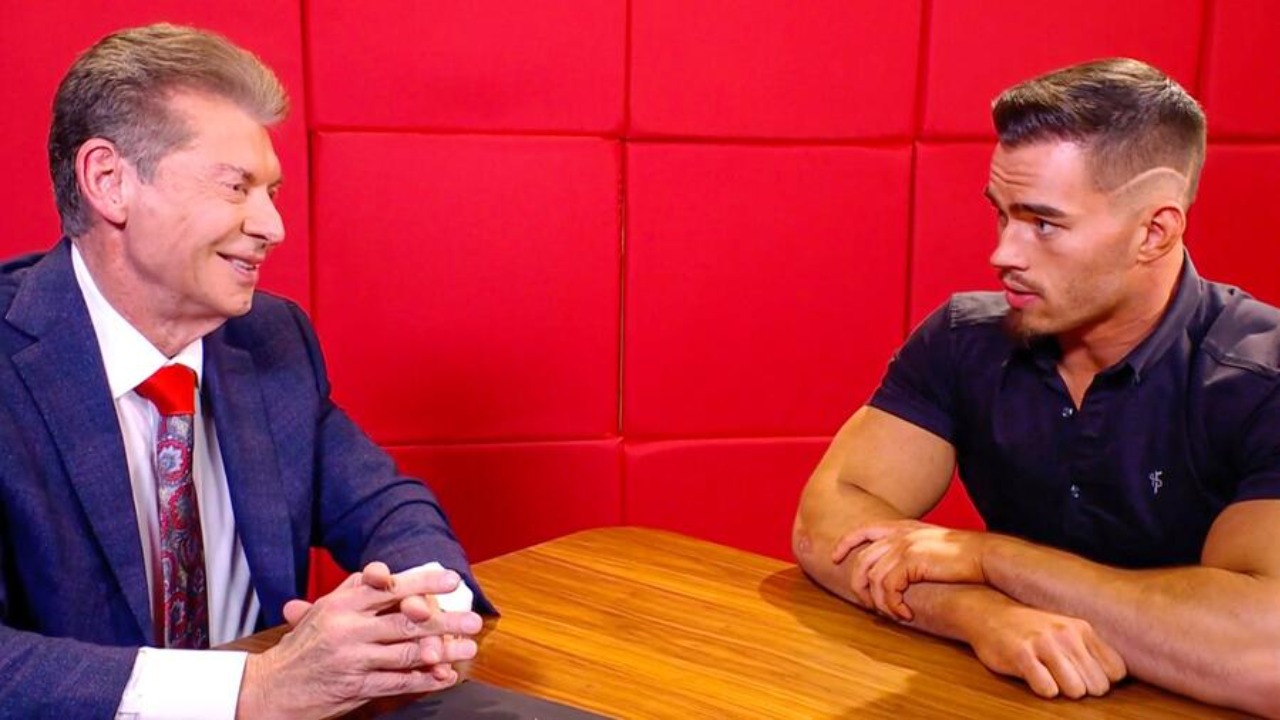
The men's side of the card featured a much more controversial decision. Earlier in the show, Bobby Lashley defeated Austin Theory to win the United States Championship. In the main event, Theory was added to the ladder match as a last-minute entrant, climbing the rungs to win the contract.
This victory was heavily criticized by fans as a forced push. Theory's sudden win reflected the final weeks of Vince McMahon's creative control, where logic was often sacrificed for sudden shocks. The decision left a sour taste, showing the constant battle between fan-supported stars and corporate favoritism.
The Mirror of the Ring
Looking back at these six moments, a clear pattern emerges from the history of July 2. The ring is a mirror of the booking office, reflecting the immediate consequences of creative decisions. A single match or a sudden push can change the trajectory of a promotion for years to come.
The same date that witnessed Cody Rhodes' first step toward main-event stardom also saw the demise of WCW's revival in Tacoma. These stories show us that wrestling is an art form built on the fly, where the line between triumph and disaster is razor-thin.