The cost of high-impact training
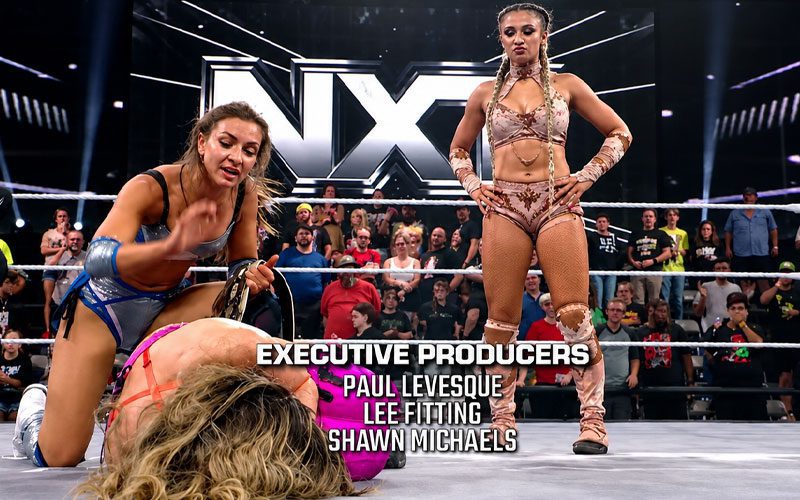
The NXT locker room is currently addressing a series of physical setbacks following a bruising stretch of television tapings. Medical staff confirmed that the June 16 episode of WWE NXT resulted in multiple athletes entering the recovery protocol. This development comes as the creative team struggles to lock in a stable roster for the June 23 broadcast.
Injury management remains a persistent issue for the developmental brand. The rapid-fire style favored by current bookers puts heavy torque on the knees and ankles of talent working in the developmental facility. When high-velocity maneuvers go wrong, the resulting recovery timelines often force immediate, messy pivots in long-term booking.
The fallout of physical intensity
Performance Center training sessions have reportedly intensified, leaving several mid-card performers sidelined. While management pushes for organic chemistry, the recent uptick in missed appearances suggests that intensity mandates might be outstripping safety protocols. It is a recurring problem in professional wrestling where the desire for viral social media clips leads to unnecessarily risky spots that offer little long-term gain for the talent.
Competitors are now being evaluated for impact-related damage to ligaments. According to medical observations, the recovery for these specific types of trauma often requires a minimum of 4-6 weeks of rehabilitive movement. This keeps these athletes out of the immediate rotation for the confirmed June 23 NXT card, forcing producers to scramble for filler matches.
Strategic implications for NXT
The absence of key talent leaves a void in the mid-card that usually provides the work-rate foundation for the brand. Without a reliable roster, the creative team is falling back on repetitive matchups to fill the tight 120-minute window. Relying on an injury-diminished pool forces the brand to lean heavily on top-tier veterans, increasing their own risk of burnout or further physical degradation.
Booking cycles at NXT have historically faltered when the middle tier collapses. Similar stretches in 2024 saw the brand struggle to maintain viewer retention when high-profile injuries forced a pivot to slower, developmental-heavy matches. That situation led to a measurable dip in audience interest, as the disparity in skill between the injured veterans and the replacements became glaring.
Management must now decide if the current training intensity is sustainable. If trainers do not throttle back the physical expectations, the company faces a cycle of short-term fixes that may jeopardize the long-term health of their primary prospects. The current injury tally sits at 3 active roster members who are currently undergoing monitored recuperation.
Looking at the broader trajectory, the brand is entering a precarious period. If the medical department does not secure a faster recovery timeline for the core group, the upcoming television installments will lack the technical polish fans expect. The reliance on high-risk aerial offense in the Performance Center often results in these exact injury patterns, repeating the mistakes of the previous fiscal year.
Ultimately, the upcoming broadcast needs to demonstrate more than just endurance. Fans have grown weary of seeing talent relegated to the sidelines while waiting for clearance from medical staff. The pressure is on the developmental leads to ensure that the talent remaining in the ring can actually carry the broadcast without the safety net of injured mainstays.