A make-or-break moment for Billy Corgan's vision
The National Wrestling Alliance is stepping back into the cable television arena. NWA Powerrr's imminent debut on Comet TV isn't just a schedule change. It is a fundamental stress test for a promotion that has spent the last few years searching for an identity.
For a while, the retro studio aesthetic was enough. It was a charming alternative to the major companies. Then the novelty wore off. The booking grew stale, relying heavily on older talent and baffling title changes. The NWA lost its grip on the hardcore fan's imagination.
Now, they have a platform. More importantly, they have a champion who actually fits the moment. As Ringside News recently reported, NWA Worlds Heavyweight Champion Silas Mason is making it clear he plans to lead the charge. He has a massive job ahead of him.
The course correction from the Tyrus era
To understand why Silas Mason matters, you have to look at what preceded him. The NWA's recent history with the Ten Pounds of Gold was defined by sluggish main events. The decision to build the brand around Tyrus alienated a massive chunk of their core audience.
Matches ground to a halt. The physical limitations of the champion dictated a plodding, uninspired style. It wasn't retro; it was just slow. The prestige of a title once held by Harley Race and Ric Flair took a noticeable hit in the eyes of modern fans.
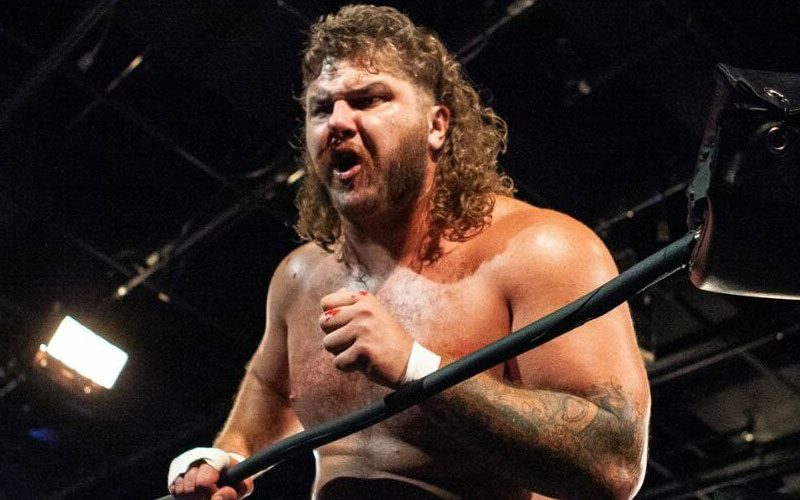
Mason is the antidote to that era. "Thrillbilly" isn't just a catchy moniker. It is an accurate description of a big man who moves with terrifying purpose. He brings a raw, chaotic energy to the studio setting that the NWA desperately needed.
Breaking down the Thrillbilly offense
Watch Mason operate in the ring, and you see a deliberate blend of Memphis brawling and modern heavyweight pacing. He does not waste motion. He understands how to use the tight confines of the NWA studio to his advantage.
Most modern big men try to prove how agile they are. Mason goes the other way. He focuses on impact. His short-arm lariats are wince-inducing. He cuts off the ring effectively, forcing opponents into the corners where his sheer mass becomes the deciding factor.
He frequently utilizes a corner trap strategy. He will absorb a series of forearm strikes, feign grogginess, and then explode with a sudden running powerslam that completely shifts the momentum. It is simple psychology, but it works perfectly in a 45-minute television format.
He isn't going to give you a 30-minute grappling clinic. He is going to hit you very hard, play to the studio crowd, and make you believe he is fighting for his life. That authenticity is his biggest asset right now.
The lost art of studio wrestling
We need to talk about the physical environment. The NWA Powerrr set is notoriously intimate. There are no barricades separating the fans from the talent. There is no sprawling entrance ramp. The ring feels like it takes up half the room.
This completely alters the psychology of a match. In a stadium, wrestlers rely on broad gestures and high-impact moves to project emotion to the upper deck. In the NWA studio, the camera is right in your face. Subtlety matters heavily.
A minor facial expression registers immediately. A rake of the eyes looks far more vicious when the front row is close enough to hear the referee's warnings. Mason excels in this environment because he never breaks character. He maintains eye contact with the crowd. He uses the lack of space to create a feeling of claustrophobia for his opponents.
When he throws a strike, the sound echoes differently in that room. It sounds heavier. Modern wrestling often struggles with matches feeling too rehearsed. In the Powerrr studio, it usually just looks like a legitimate fight. But that intimacy also exposes flaws. If a sequence is botched, there is nowhere to hide.
This brings us to the tactical challenge of the Comet TV debut. The NWA cannot afford opening night jitters. The roster needs to understand that they are fighting for their television lives.
Carrying the weight of history
It is impossible to discuss the NWA title without mentioning its lineage. That ten pounds of gold represents a distinct style of professional wrestling. It demands a champion who looks like they could handle themselves in a real bar fight.
For decades, the champion traveled territory to territory, defending against local heroes. They had to be believable. They had to be incredibly tough. Modern wrestling has largely moved away from that traveling champion model, but the aesthetic requirement remains.
Mason looks the part. He has the size and the snarl. When he holds the belt up, it doesn't look like a prop. It looks like a prize he earned through sheer physical dominance. That visual credibility is paramount for a company trying to attract new viewers.
If a channel surfer lands on Powerrr and sees a champion who looks soft or unsure of himself, they will keep clicking. When they see Silas Mason screaming into the camera, they are far more likely to put the remote down.
Lifting the rest of the card
A strong world champion changes the behavior of the entire locker room. When the man at the top is working hard and delivering physical matches, it forces the undercard to elevate their output. You cannot follow a Silas Mason match with a lazy, slow-motion comedy routine.
The secondary titles in the NWA need this trickle-down effect badly. The National Championship has occasionally felt like an afterthought. The tag team division, once the pride of the promotion, needs a jolt of energy. If Mason sets a violent, urgent tone in the main event scene, the rest of the roster has no choice but to keep pace.
This is the difference between a placeholder champion and a franchise player. A placeholder just holds the belt. A franchise player pulls everyone else up by the scruff of their neck. Mason has the attitude required for the latter role.
The Comet TV gamble
The move to Comet TV is fascinating. It is a network primarily known for syndicated sci-fi shows. Pro wrestling has succeeded in weirder places, but the demographic crossover is an open question.
What Comet offers is access. It puts the product in front of channel surfers. But grabbing a channel surfer requires an immediate visual hook. This is where the NWA's production needs to step up significantly.
The studio format is visually distinct. It looks different from AEW Dynamite or WWE SmackDown. But different isn't always better. The lighting has often felt too dark, and the audio mixing on promos can be horribly inconsistent.
If Mason is cutting a passionate promo about the legacy of the NWA, the audience at home needs to hear every word clearly. The production values have to match the effort the talent is putting in the ring. Historically, that has been a weak point for Corgan's promotion.
Identifying the right dance partner
For this network premiere, the opponent selection is paramount. You cannot put Mason in the ring with a pure technical grappler who wants to trade wrist locks. The audience tuning in to a sci-fi channel needs immediate action.
He needs a brawler. Someone like Thom Latimer or Trevor Murdoch, willing to stand in the middle of the ring and trade heavy leather. The NWA roster has a few guys who fit the bill, but the execution has to be flawless. The match needs a clear narrative. A dominant champion facing a desperate challenger who realizes this is his only shot at the spotlight.
I want to see Mason pushed. I want to see him forced to abandon his usual game plan. If the challenger targets a limb early—say, working over Mason's lariat arm—it forces the champion to sell and adapt. It proves he is more than just a bruiser. It shows he has strong wrestling IQ.
A 15-minute title match with clear psychology, a few believable near-falls, and a clean finish. That is the formula. If they overcomplicate it with outside interference or run-ins, they will blow their biggest opportunity in years.
Stakes for the debut episode
Mason has made it clear he plans to lead the charge. That means he needs a statement match on night one. A quick squash won't cut it. A convoluted finish will kill the momentum instantly.
The NWA needs to showcase Mason against an opponent who can bump around the studio and make the champion look like a killer. The pacing needs to be tight. No wasted segments. No long-winded authority figures talking in the ring for twenty minutes.
They have one hour to convince a new audience that this old-school brand is worth their time in 2026. The wrestling market is crowded. Fans have limited attention spans. If the first main event on Comet ends in a sloppy disqualification, viewers will not return for week two.
This is the ultimate test of Corgan's booking philosophy. He has the right champion. He has the television clearance. Now he has to execute a logical, compelling episode of television.
Prediction: Mason delivers, but the booking remains a question
I expect Silas Mason to have a career-defining performance on the Comet TV premiere. He knows exactly what this opportunity means. He will bring the intensity, and the studio crowd will be hot for his entrance.
He will retain the title in a hard-hitting sprint. He will hit his signature offense, pop the crowd, and look every bit the franchise player the NWA needs him to be. I predict a clean pinfall in the center of the ring around the 12-minute mark.
The real question is what happens around him. Will the undercard deliver? Will the secondary titles feel important? Will the commentary team actually call the moves in the ring, or will they get lost in inside jokes?
Mason is ready to carry the NWA into this new era. I am just not entirely convinced the promotion is ready to support him properly. The debut will draw curious eyes, but maintaining that audience will require a level of booking consistency that Billy Corgan has rarely shown.