The 301-day shadow
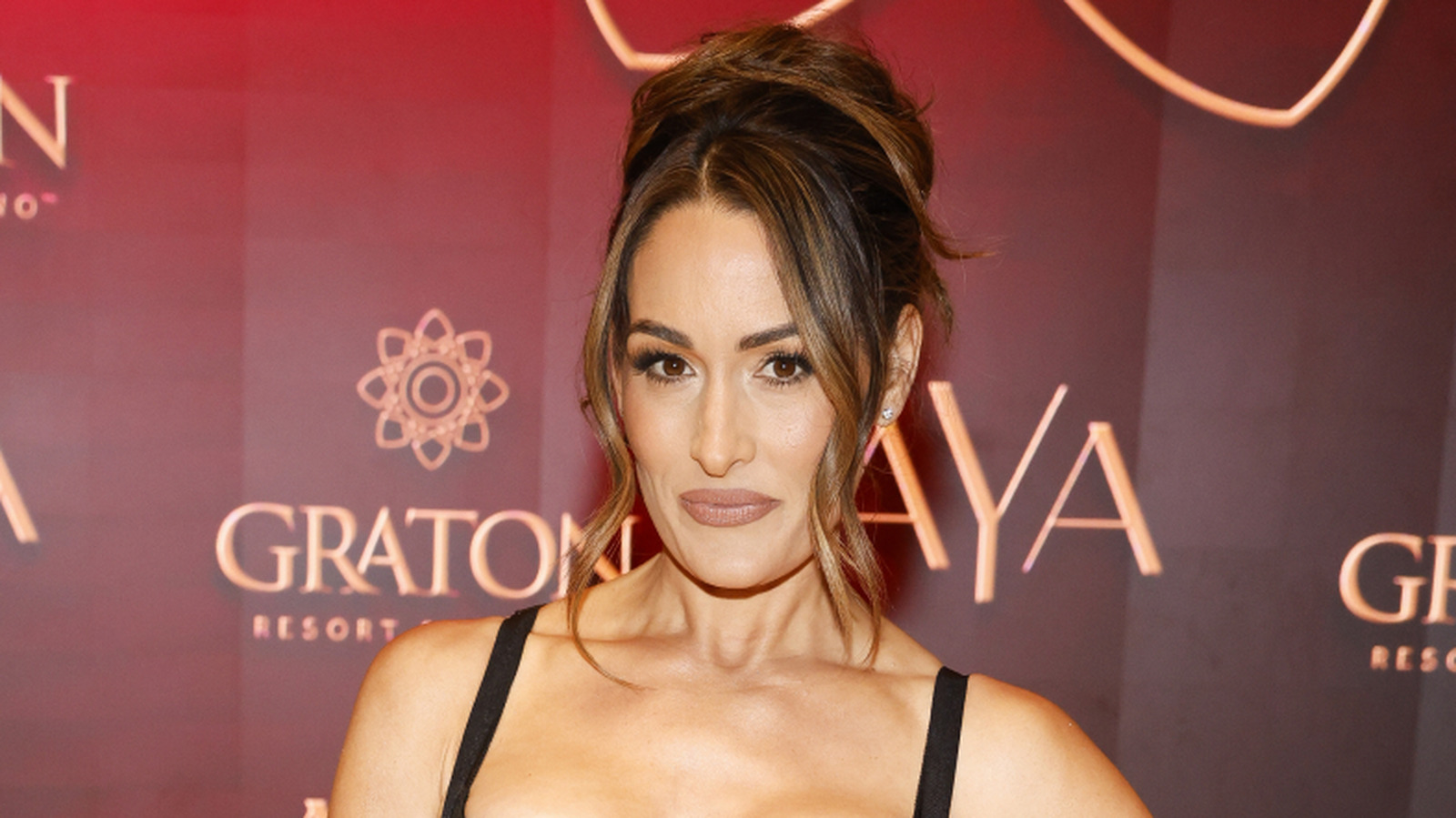
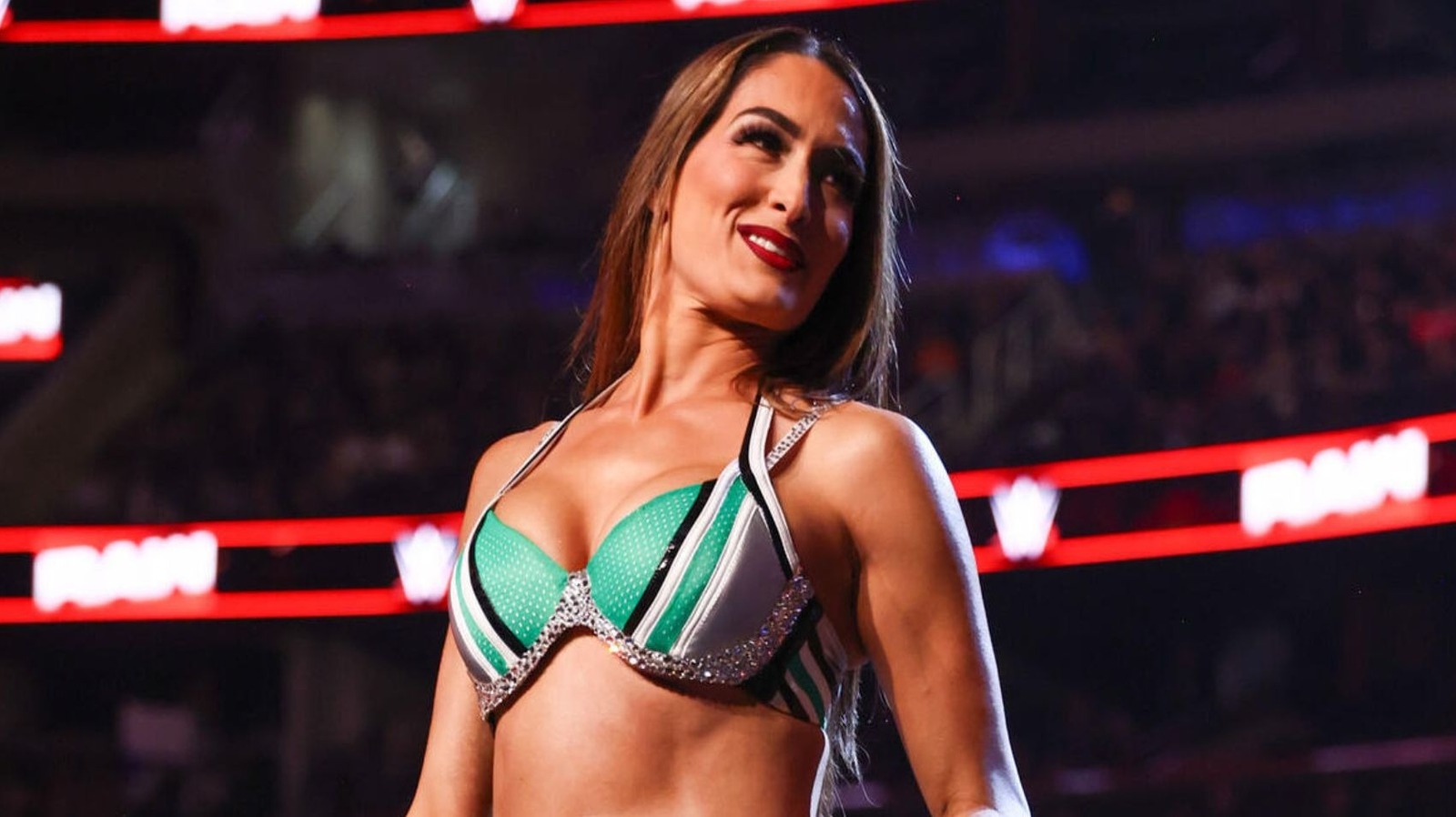
When you hold a championship for 301 days, it distorts the rest of your career. Nikki Bella achieved that record-setting Divas Championship reign back in 2015, establishing a benchmark that forced WWE to completely rewire its women's division. Yet, recent headlines surrounding her career trajectory reveal a fascinating disconnect between her in-ring legacy and her crossover ambitions. Based on her recent media tour, the calculus for a WWE superstar attempting to balance Hollywood, reality television, and physical recovery is far more complicated than the standard playbook suggests.
This week, a flurry of news dropped regarding Bella's current status. She provided a detailed update on her injury recovery timeline, clarified her future goals within WWE, and surprisingly admitted she walked away from a potential role in the Baywatch reboot due to swimsuit confidence concerns. She also had to publicly walk back some heavily circulated comments about her post-divorce dating life. Taken together, these data points paint a picture of a performer trying to manage a highly scrutinized public profile while plotting one final in-ring run.
Most professional wrestlers view Hollywood as the ultimate exit strategy. The conversion rate, however, is incredibly low. For every Dwayne Johnson or John Cena, there are dozens of top-tier WWE names who fail to register at the box office. Bella's decision to bypass the Baywatch audition is an incredibly rare statistical anomaly in this business. Wrestlers are conditioned to take every outside media booking offered to them, primarily because the average in-ring career is startlingly brief.
The math of a WWE return
To understand the timeline Bella is working with, we have to look at the physical toll of her career. She underwent career-altering neck surgery in 2016, an operation that historically ends wrestling careers entirely. Edge was forced into a nine-year retirement following similar cervical spinal fusion. Steve Austin walked away at 38. Bella managed to return for a high-profile WrestleMania mixed tag match and a main event program against Ronda Rousey at the Evolution pay-per-view in 2018, but her active schedule fell off a cliff immediately afterward.
Her latest injury update suggests she is still actively targeting a return, but the window is mathematically closing. At 40 years old, the physical recovery time for neck and back trauma extends exponentially. If we look at the return timelines for female performers entering their fourth decade, the matches become heavily protected. Trish Stratus returned for a lengthy program in 2023, but her bump card was meticulously managed. Lita's recent tag team appearances featured her working less than 30 percent of the actual match time.
I walked away before it went any further because of swimsuit confidence concerns.
The Baywatch revelation is perhaps the most telling piece of the puzzle. Bella built a massive portion of her brand on the aesthetic demands of the Divas era, yet walked away from a major motion picture reboot that heavily relied on that exact presentation. This suggests a significant pivot in how she wants to be perceived in this phase of her career. The crossover numbers for WWE talent appearing in ensemble action comedies are usually a net positive for their wrestling contract negotiations, giving them leverage for limited-date deals. By passing on the audition, Bella missed a chance to bump her mainstream Q-rating, which traditionally translates to a higher downside guarantee from WWE.
Managing the media cycle
You cannot analyze Bella's current status without looking at the reality television metrics. Total Divas peaked at over 1.5 million viewers during its early seasons, fundamentally changing WWE's demographic breakdown by bringing in a massive female audience that did not regularly watch Raw or SmackDown. Total Bellas spun off from that success, running for six seasons. She knows how to manipulate the reality TV press cycle better than almost anyone on the current WWE roster.
This explains the rapid correction regarding her recent dating comments. After quotes circulated about her refusing to chase 'super hot men' following her divorce, she immediately walked them back. In the reality television economy, your personal life is the product. Miscalibrated quotes can damage brand partnerships and alienate the core demographic that drove those 1.5 million viewers a decade ago. It is a strict numbers game: keep the engagement high, but keep the sentiment positive. When the sentiment analysis dips, the correction is issued within 48 hours.
The roster bottleneck
If Bella does hit her physical recovery targets, the WWE women's division she returns to is mathematically unrecognizable from the one she left. During her 301-day reign, television matches rarely crossed the eight-minute mark. Today, a standard premium live event women's match averages 16 to 22 minutes. The physical output required to hang with performers like Rhea Ripley, Bianca Belair, or Iyo Sky is staggering.
This is the harsh reality of her return timeline. WWE is not hurting for star power in 2026. They do not need to rely on Attitude Era or Divas Era nostalgia pops to sell out arenas. If Bella returns, she will be competing for television minutes against a roster that works a faster, more physically demanding style. Her future goals in WWE have to be realistic about this bottleneck. A Royal Rumble appearance or a heavily protected tag team program makes statistical sense. A singles championship run does not.
Ultimately, Nikki Bella is operating in a unique space. She has the financial security to turn down major Hollywood auditions and the star power to dictate her own injury recovery timeline. But the numbers do not lie. The gap between her last full-time run and the current WWE product widens every single month. Whether she can close that gap before the physical window slams shut entirely is the only metric that actually matters now.