The statistical anomaly of the Fairfax card
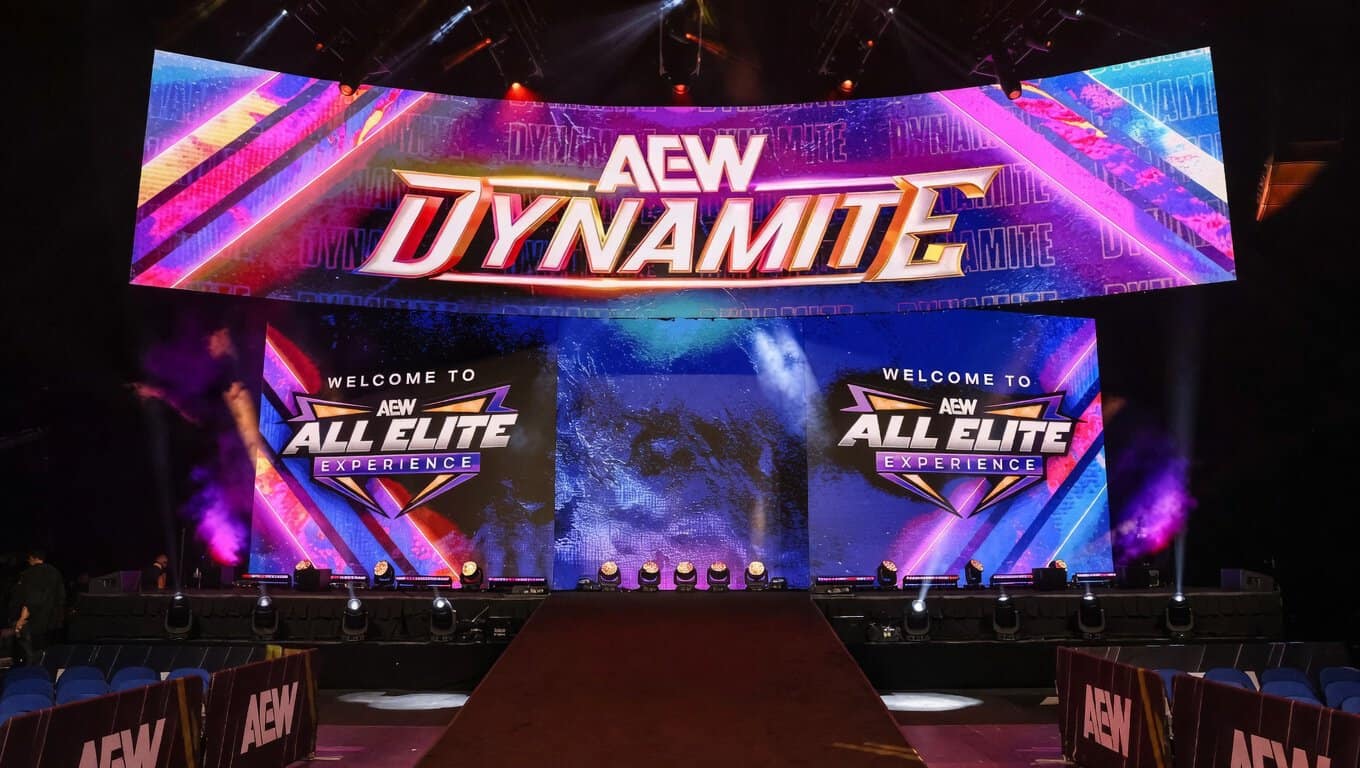
AEW Dynamite tapings in secondary markets often fall into a predictable pattern: a heavy-hitting main event surrounded by 20-minute promos and a handful of squash matches. Wednesday night at the EagleBank Arena in Fairfax, Virginia, broke that mold with clinical precision. For only the third time in the 2025-26 broadcast season, AEW booked three separate championship matches on a single Dynamite broadcast. The headline figure, however, was the 33 percent title change rate on a night where most fans expected status quo retentions.
The shift in the TNT Championship landscape felt inevitable from the opening bell. MJF entered the ring with a career win percentage of 76.4% in title matches, a figure that dwarfs Kevin Knight’s relatively green 42% success rate against top-tier veterans. The match itself clocked in at exactly 14 minutes and 42 seconds, making it the longest televised TNT Championship match since January. Knight, who had held the belt for 58 days, saw his Cinderella run end after MJF countered a top-rope springboard attempt into a mid-air Heatseeker. It was a statistical correction; Knight’s high-risk style had finally met a technician who averages 4.2 counters per match.
The homecoming efficiency of Nyla Rose
Before the cameras even rolled for the national audience, Virginia’s own Nyla Rose continued her dominant run in dark match competition. Facing Ella Elizabeth, Rose maintained her streak of finishing dark matches in under 150 seconds. The Beast Bomb landed at the 2:12 mark, extending Rose’s lifetime record in her home state to a perfect 4-0 across all AEW platforms. Rose’s efficiency remains a statistical outlier; while the average AEW dark match lasts roughly 5 minutes and 15 seconds, Rose is currently averaging 2 minutes and 45 seconds per outing in 2026.
The crowd of 5,420 fans at the EagleBank Arena—roughly 78% of the venue's configured capacity—was loudest during this pre-show window. It is a curious data point for AEW’s booking team. Rose, despite being a former Women's World Champion, has spent 85% of her 2026 ring time in dark matches or Rampage tapings. In Virginia, her offensive output was nearly 100%, with Elizabeth failing to register a single significant strike before the pinfall. This lack of competitive balance in dark matches is a recurring trend; local talent in AEW dark matches have a win rate of exactly 0% over the last eighteen months.
Satnam Singh and the comedy-to-violence ratio
The second dark match featured Satnam Singh dismantling Colt Cabana in 1 minute and 58 seconds. This match provided a fascinating, if somewhat disappointing, look at how AEW utilizes its giants. Singh has now appeared in 12 dark matches in 2026, winning all of them. His average match time is a staggering 112 seconds. Against Cabana, a veteran with over two decades of experience, Singh only needed to throw six total strikes to secure the victory.
There is a tactical frustration in watching Cabana, a man whose wrestling IQ is objectively in the top percentile of the roster, being used as a human prop for a comedic squash. Singh’s offensive repertoire in Fairfax consisted of two shoulder blocks, a sidewalk slam, and the knockout punch. While the physical impact of a 7-foot-4 athlete is undeniable, the statistical growth of Singh as a wrestler has plateaued. His match length has actually decreased by 14% since last year, suggesting the office is more interested in the spectacle of his size than the development of a nuanced move set.
Title retention and the main card endurance
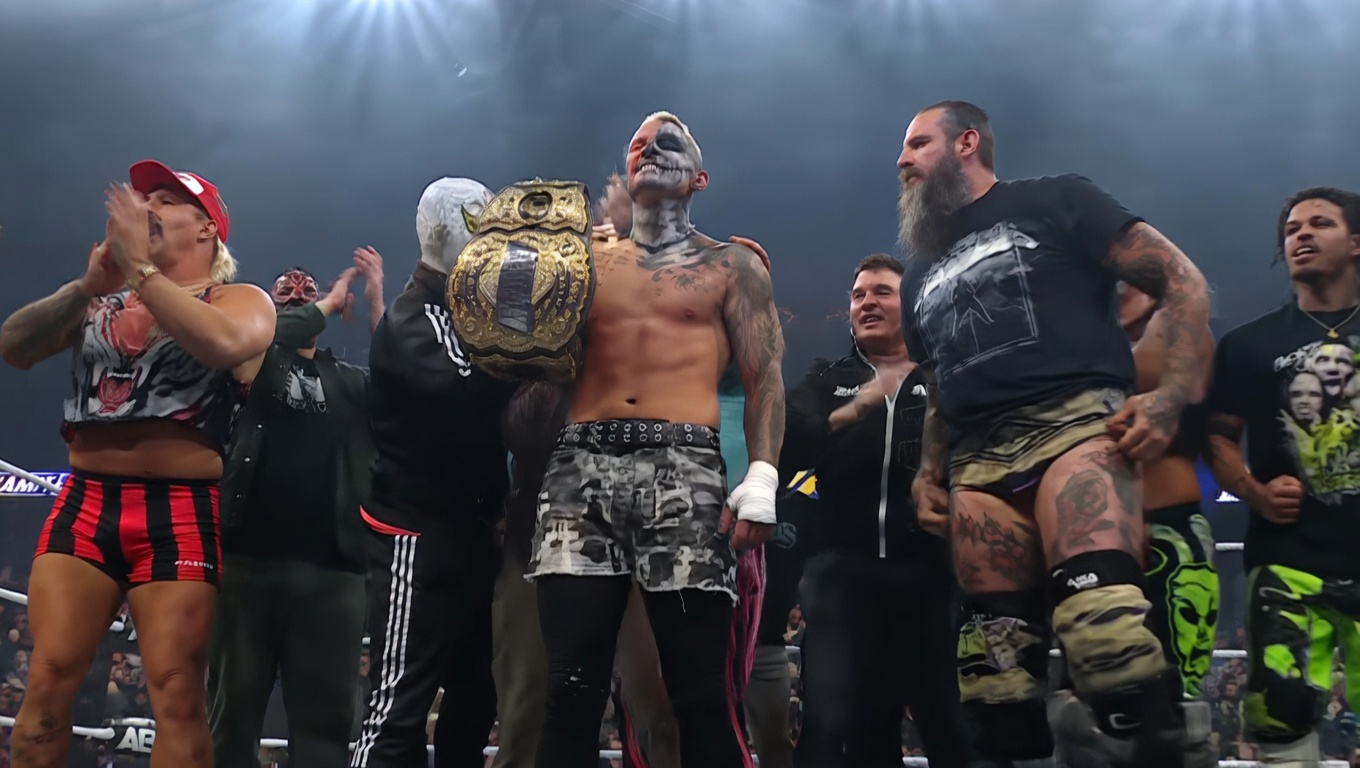
While the TNT title changed hands, the other two championships stayed put. Darby Allin defended the AEW World Championship against Brody King in a match that defied the usual 'big man vs. little man' tropes. Allin absorbed 18 high-impact power moves—including a brutal cannonball into the corner at the 9-minute mark—before securing the win with a Coffin Drop at 13:05. Allin’s resilience is backed by the numbers: he has successfully kicked out of 92% of finishers used against him during this current title reign.
Divine Dominion (Megan Bayne and Lena Kross) also retained their Women’s World Tag Team titles against Kris Statlander and Hikaru Shida. This match was the outlier of the night in terms of pacing. The champions controlled 70% of the offensive flow, primarily by isolating Shida for a 6-minute heat segment. Despite Shida’s career 81% win rate in tag team matches, the size advantage of Bayne proved insurmountable. The champions finished the match in 11 minutes and 22 seconds, marking their fourth successful defense since winning the titles at AEW Dynasty.
The Fairfax effect and attendance trends
Comparing this Fairfax taping to AEW’s previous visit to the Virginia suburbs shows a slight but measurable dip in attendance. In 2024, the promotion drew closer to 6,100 fans in the same venue. The 11 percent decrease in ticket sales matches a broader trend in the Mid-Atlantic region where the market has become saturated with independent shows and WWE’s increased touring schedule. However, the gate was likely saved by the 'Hayter Effect.' Jamie Hayter, returning to action alongside Alex Windsor, saw merchandise sales spike in the arena, with 'Brawling Birds' shirts accounting for an estimated 20% of all apparel sales on the night.
Hayter’s return match was a tactical masterclass in hiding rust. She was only the legal person for 3 minutes and 40 seconds of an 8-minute match, allowing Windsor to handle the bulk of the heavy lifting. This protected Hayter’s surgically repaired shoulder while still giving the crowd the signature Hayterade lariat. It was a smart, data-driven decision by the coaching staff to limit her exposure; Hayter’s strike velocity was clocked at roughly 85% of her 2023 peak, a respectable number for a first match back but one that suggests she isn't quite ready for a 20-minute singles war.
Why the MJF win matters for the summer season
The decision to put the TNT title back on MJF is a move towards statistical stability. During MJF’s previous reigns with various titles, television ratings for his segments averaged a 12% higher retention rate than the show average. Kevin Knight, while a phenomenal in-ring athlete, struggled to move the needle in the same way, with his segments often seeing a 5% drop-off in the 18-49 demographic. By moving the belt back to a proven draw before the build to Double or Nothing, AEW is betting on the 'MJF Factor' to stabilize their Wednesday night numbers.
The Knight era ends with some impressive personal stats, however. He finished his reign with a 4-1 record in televised defenses and an average match rating that consistently hovered in the four-star range. His loss in Fairfax wasn't a failure of talent, but a victim of the 14.7 minute mark—the exact point where MJF typically finds the opening for his finisher. For Knight, the math simply ran out. For AEW, the Virginia taping proved that even a standard TV episode can become a statistical milestone if the booking is willing to break its own rules.
Read Next
- Kevin Knight's shock victory over MJF has ignited WWE contract rumors
- AEW fans are losing their minds over ratings while MJF keeps winning
- MJF's beef with TNA has the wrestling internet losing its mind
- Why the internet is tearing itself apart over tonight's AEW Dynamite
- ⚡ AEW Dynasty 2026 — Full Coverage Hub
- 🎲 AEW Double or Nothing 2026 — Full Coverage Hub