The Anatomy of a Catastrophe
The mechanics of the human knee are not designed for professional wrestling. The knee is a hinge joint built for simple flexion and extension, making it incredibly vulnerable to lateral forces. When a wrestler plants their foot on the canvas and twists their torso, the kinetic chain transfers immense torque directly into the joint. If that force exceeds the tensile strength of the ligament, it snaps.
Mike Santana knows this physical trauma intimately. His knee gave out during a violent double-cage match in 2022. It was a simple plant-and-twist motion that destroyed his anterior cruciate ligament.
In sports medicine, this is a catastrophic failure. The reconstruction process requires a surgeon to harvest a tendon, drill directly into the tibia and femur, and anchor the new ligament with screws. The surgery is brutal, but it is the easiest part of the process.
The severity of an anterior cruciate ligament tear cannot be overstated. Unlike muscle tissue, ligaments do not have a rich blood supply and cannot heal on their own. Once the fibers are completely severed, surgical intervention is the only option to restore joint stability.
The graft used to replace the torn ligament is initially dead tissue. The athlete's body has to slowly vascularize the new graft over several months, a process known as ligamentization. During this vulnerable period, the knee is shockingly fragile. One wrong step during physical therapy can stretch the new graft, rendering the entire surgery useless.
The real battle starts the moment the athlete wakes up from anesthesia. The rehabilitation protocol for a reconstructed knee is agonizingly slow. In the first phase, massive swelling completely shuts down the quadriceps muscle. Medical professionals must use painful electrical stimulation just to force the muscle to fire again.
It takes weeks before the patient can perform a simple straight-leg raise. Forcing a swollen, traumatized joint to bend to 90 degrees feels like tearing the leg apart all over again. Physical therapists have to manually manipulate the kneecap to prevent it from fusing to the underlying bone.
It is a daily, excruciating grind conducted in near silence. This painful repetition happens far away from the adrenaline of a live crowd.
The Psychological Weight of Immobility
Athletes are defined entirely by their physical motion. When you take away a wrestler's ability to move, you strip away their identity. This period of forced inactivity is where the darkest fights occur.
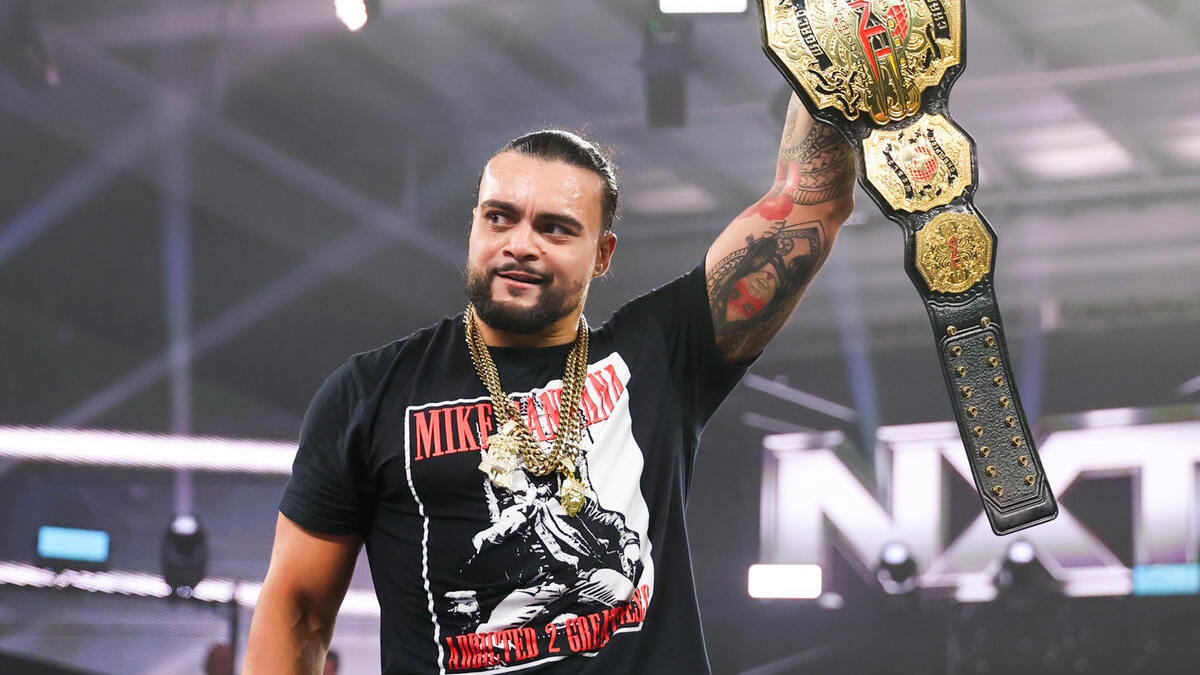
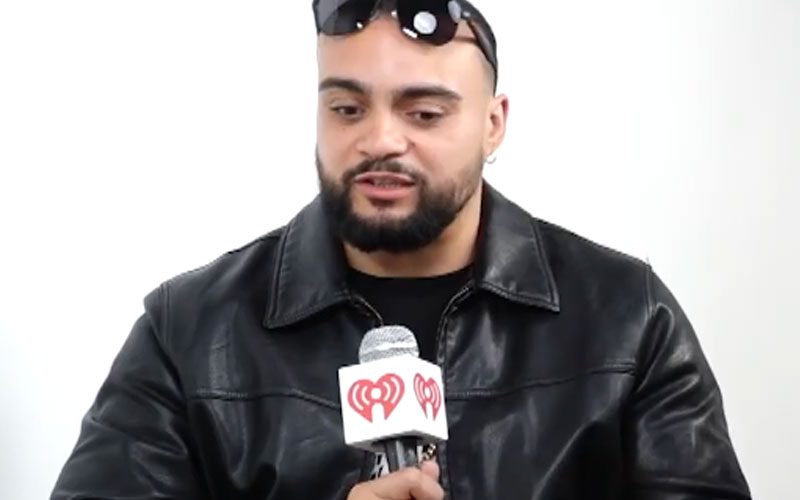
The recent news that Mike Santana credits his daughter with saving his life after his championship victory shines a harsh, unforgiving light on this reality. The physical pain of a torn ligament is highly manageable with modern medicine. The mental isolation is what destroys careers.
When the crowd noise stops and the physical therapy sessions end, a performer is left completely alone with their thoughts. For an athlete addicted to the dopamine rush of live audience reactions, this quiet isolation is suffocating.
The wrestling industry is notoriously ill-equipped to handle the psychological fallout of severe injuries. Major promotions will cover the cost of the surgery and hire the best physical therapists in the country. Yet, they offer zero long-term psychiatric care for athletes who suddenly lose their livelihood for over a year.
The Danger of the Void
Historically, the overlap between severe orthopedic injuries and substance abuse in wrestling is massive. In previous eras, a blown-out knee meant eating handfuls of painkillers just to get out of bed. That physical dependence was often combined with alcohol to numb the sheer frustration of immobility.
The modern locker room is undeniably cleaner, but the underlying temptation remains identical. Isolation breeds deep depression. Depression constantly seeks a chemical escape.
Santana has been incredibly open about the dark periods during his prolonged absence. Rebuilding his life and getting sober was a significantly harder fight than rebuilding his knee.
The online fitness community heavily glorifies the grind of injury recovery. Instagram feeds are filled with athletes sweating in the gym and pushing through the pain. Those videos never show the sleepless nights or the severe anxiety attacks.
They ignore the very real, paralyzing fear that the joint will never function the same way again. By crediting his daughter with saving his life, Santana bypasses the usual wrestling clichés. He is acknowledging that without a human tether to the real world, the darkness of the recovery process would have swallowed him entirely.
This is the ugly reality of sports medicine that promotions refuse to put in their press releases.
The Biomechanics of a Return
Returning to the ring after a major knee reconstruction permanently alters a wrestler's biomechanics. Trusting the surgically repaired joint is the final, most difficult hurdle in the rehab process. In the controlled environment of a physical therapy clinic, movements are predictable.
Inside a wrestling ring, chaos is the primary variable. A basic dropkick requires explosive, sudden power from the repaired ligament. Taking a routine bump forces the knee to absorb heavy shock from unpredictable, awkward angles.
Phase four of rehabilitation is the return to sport. The medical staff clears the athlete, but the athlete has to clear their own mind. They must step through the ropes and execute the exact movements that destroyed their body in the first place.
Sports psychologists call this kinesiophobia, which translates directly to the fear of movement. Overcoming this requires immense mental fortitude. Every time Santana hits the ropes, his central nervous system screams at him to protect the knee.
He has to consciously override his own baseline survival instincts. If a performer thinks about their knee for a fraction of a second before executing a maneuver, they are already a step behind.
Santana's recent championship victory proves that his surgical intervention held up under extreme physical duress. More importantly, it proves his psychological recalibration was completely successful.
An Unacceptable Industry Standard
Despite Santana's inspiring return to championship form, this entire situation highlights a glaring failure in the business model of professional wrestling. When a top star suffers a massive injury, the corporate machine simply keeps moving. The injured talent is immediately left behind.
They are expected to manage their own grueling recovery out of the spotlight. Management holds the unspoken expectation that they will eventually return bigger, stronger, and faster. Promotions treat the human body like a replaceable machine part, completely ignoring the human brain operating that machine.
We have seen this exact scenario play out countless times across every major promotion. Seth Rollins and Triple H have both openly discussed the mental torment of rehabbing severe leg injuries. Yet, those men were protected by massive corporate resources.
For independent contractors navigating the murky waters of professional wrestling, the safety net does not exist. The financial strain of maintaining expensive medical care while completely unable to perform adds a suffocating layer of stress. You are fighting your own failing body and your rapidly draining bank account.
There is no structured support for the severe mental health crisis that almost inevitably follows a catastrophic injury. Santana survived his grueling 14 months of rehabilitation, but his own blunt words indicate exactly how close he came to becoming another tragic footnote.
The fact that it took the love of his daughter to pull him back from the brink is a beautiful human story. However, it is also a damning indictment of an industry system that routinely leaves its broken performers to fend for themselves in the dark.
Until professional wrestling treats the psychological trauma of a career-threatening injury with the exact same urgency as a torn ligament, athletes will continue to fight these silent battles alone.