The reality of a Foley return
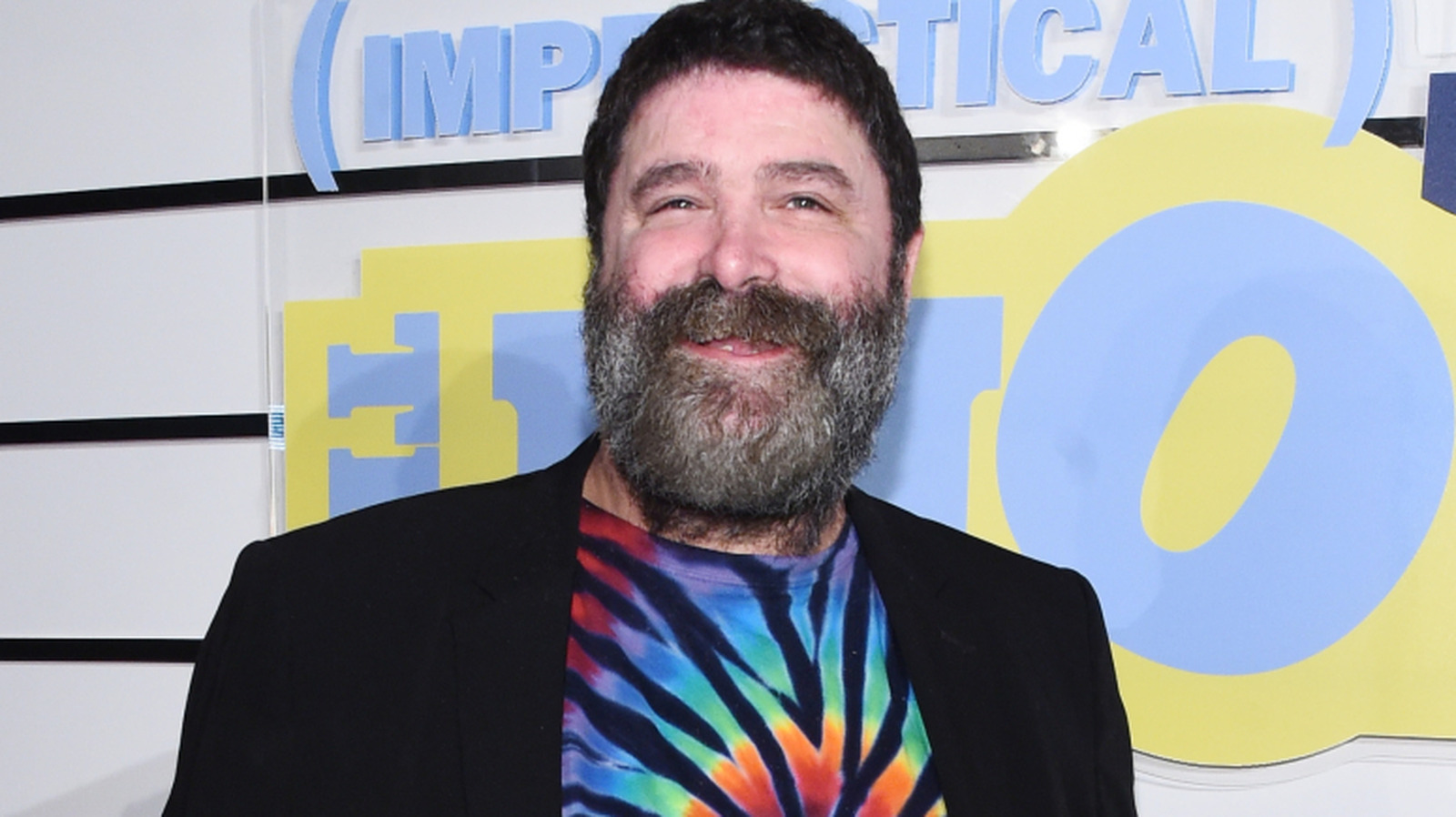
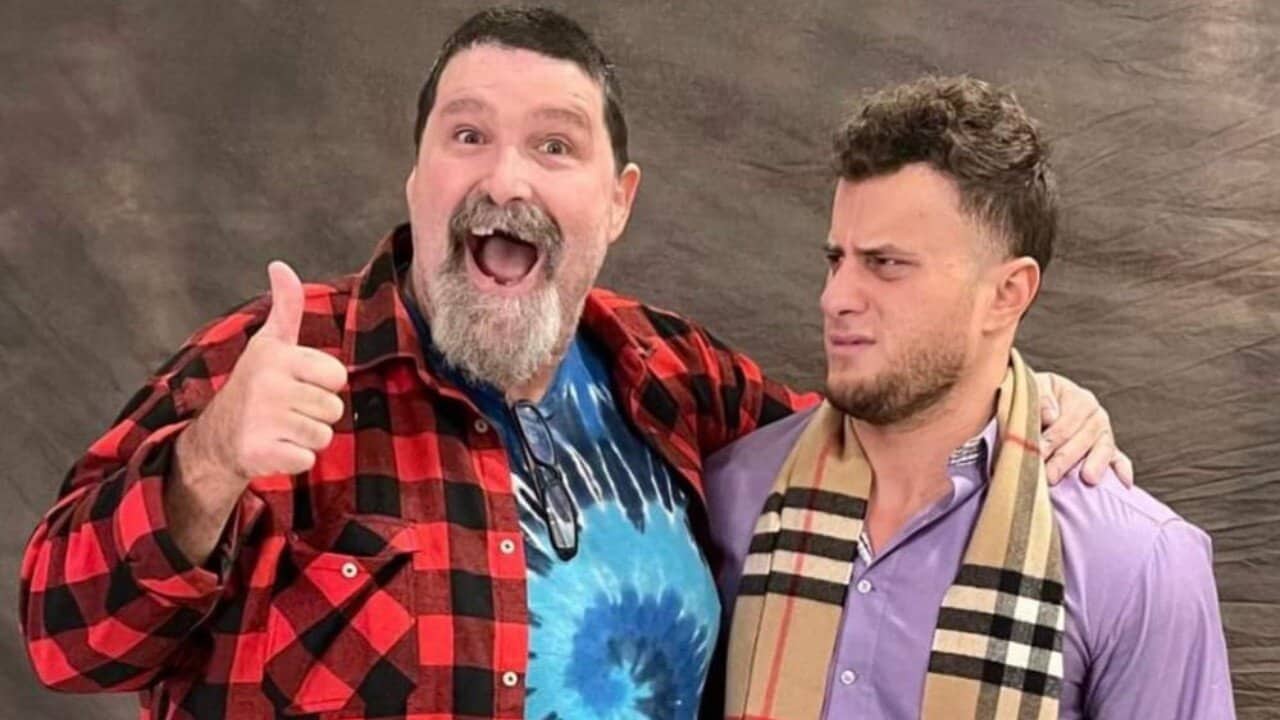
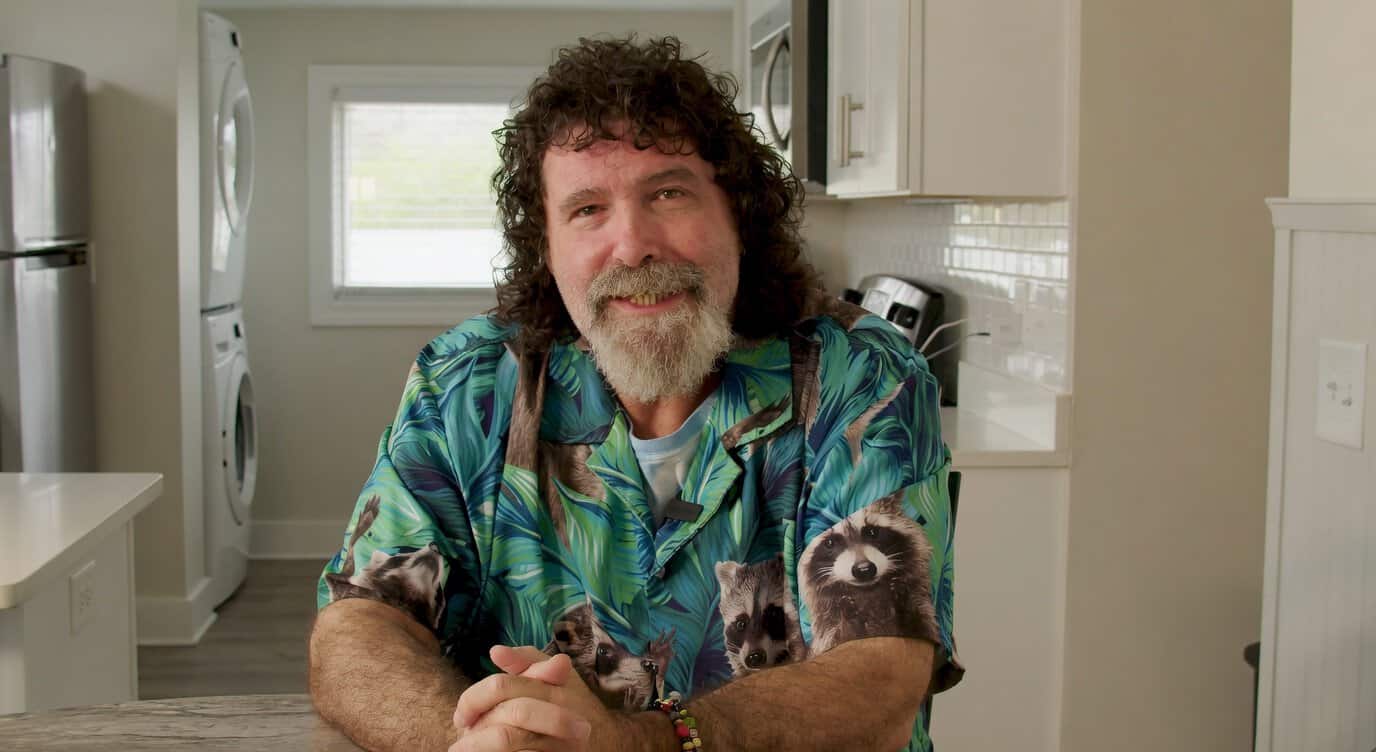
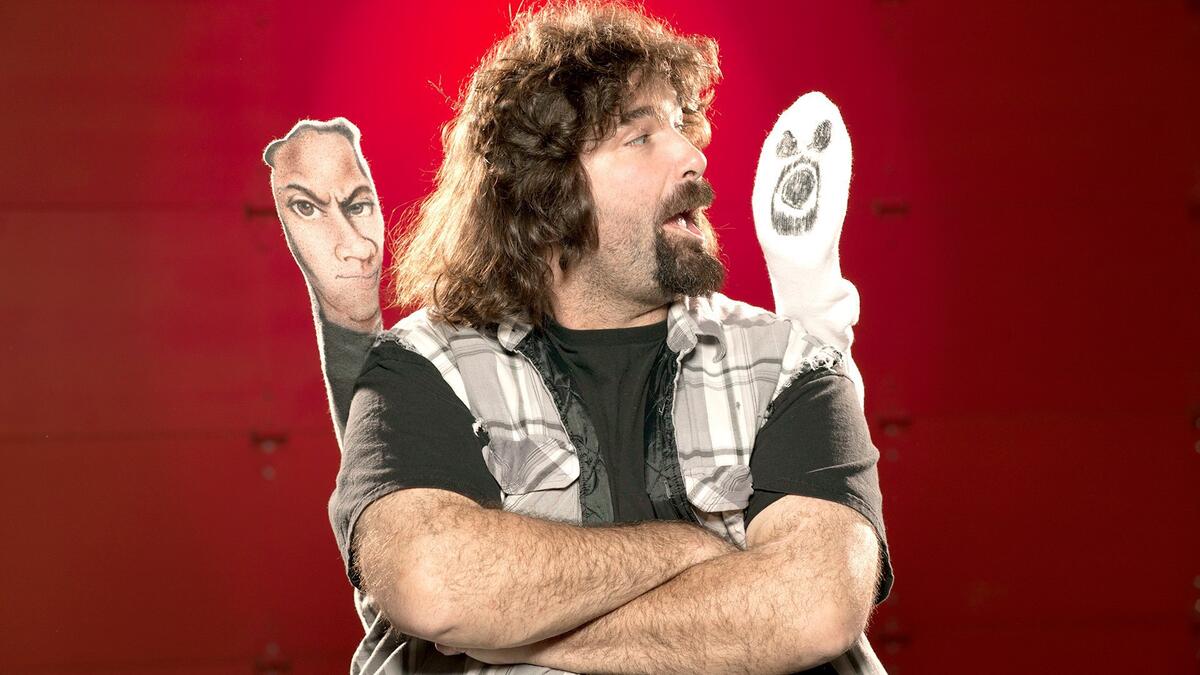
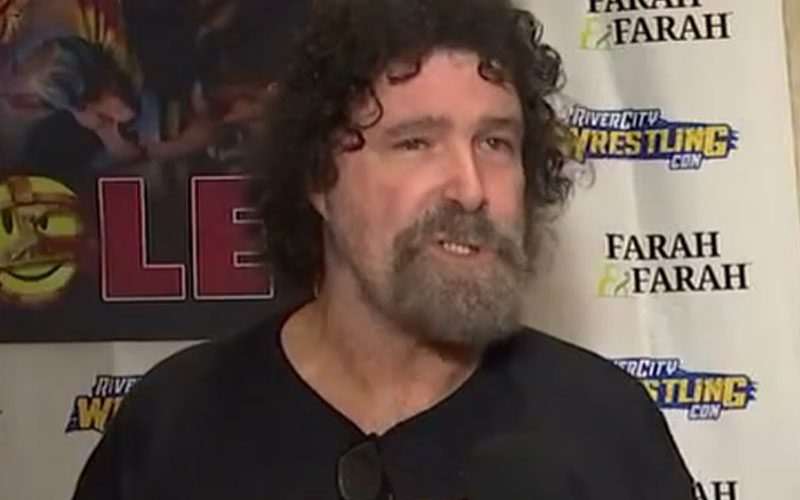
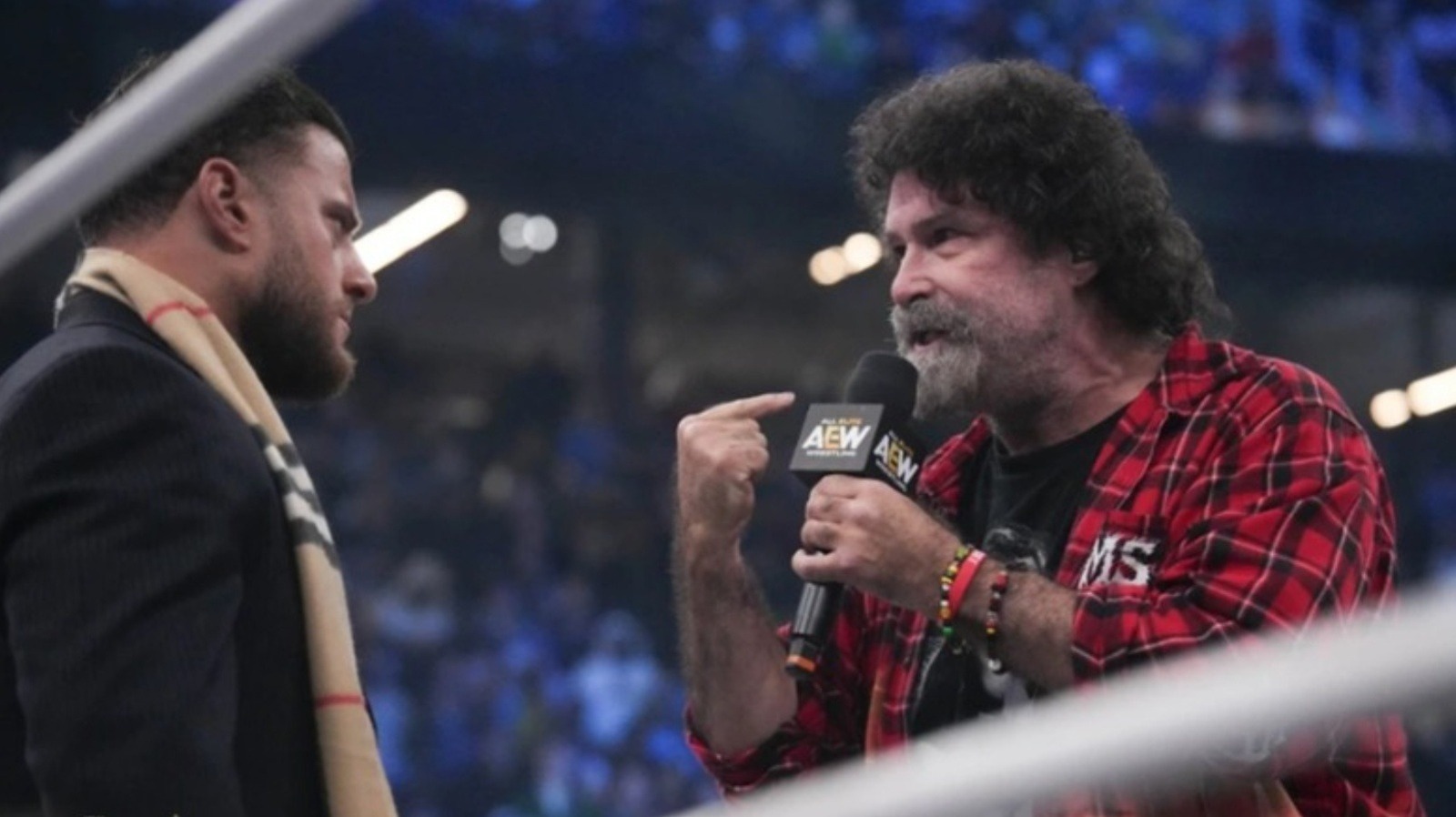
Mick Foley has not competed in a professional wrestling match since his retirement in 2012. After 14 years away from the squared circle, reports indicate discussions regarding a potential one-off appearance for AEW. To be clear, this is not a confirmed medical clearance or a booked date. It is a concept that gains traction every time the hardcore legend mentions the possibility on a podcast.
Foley’s health history makes a return to active competition a massive risk. The physical toll of the Attitude Era, defined by high-impact spots and years of absorbing chair shots, left the Hall of Famer with significant long-term damage. His knees and hips have undergone multiple surgeries. A return to the ring at this stage, even for a cinematic showcase, invites unnecessary liability.
The strategic error of nostalgia booking
AEW has built its brand on high-speed, technical, and modern wrestling. Integrating a 61-year-old icon who relies on weapon-based brawling creates a jarring stylistic clash. While recent reports suggest initial outreach occurred, the execution of such a match would likely suffer under the weight of fan nostalgia. Booking veterans in high-profile spots often draws short-term social media engagement but fails to move the needle on long-term viewership.
Concerns remain regarding the promotion’s reliance on legends to stabilize waning attention. Relying on performers from the 1990s obscures the roster members who have spent 2026 cementing their own legacies. If a match were finalized, we would be looking at a minimum recovery period of several months for a performer of Foley’s age, assuming he could even pass a standard independent medical physical. It is a high-cost, high-risk proposition with limited upside.
Historical context of retired legends
History is littered with wrestling legends attempting final runs that diminish their previous work. From Ric Flair’s last match to various independent cameos, the trend shows that fans rarely find satisfaction in seeing their heroes struggle with limited mobility. Foley understands the psychology of wrestling better than most, yet the ambition remains at odds with the current mechanics of his body.
We have seen this script before. The industry is currently preoccupied with the buzz surrounding potential dates, but the logistics of insuring a performer with his specific orthopedic history are a bureaucratic nightmare. The match hasn't happened yet because the medical hurdles for an athlete with 30-plus years of trauma are immense.
The hard truth about the ring
There is zero medical evidence to suggest Foley can safely take a flat-back bump, let alone engage in the hardcore spots that defined his career. When wrestlers return after a decade-plus hiatus, the risk of spinal compression and chronic concussion symptoms is significantly elevated. The promotion would be inviting a level of scrutiny that simply isn't worth the brief spike in PPV buy rates.
If this does materialize, it will likely be a non-contact appearance or a pre-taped segment rather than an actual physical contest. Expecting a full match is a fundamental misunderstanding of the danger involved. The most disciplined decision is to keep a legend at ringside for an appearance rather than putting him through a training camp. Zero competitive minutes is the only responsible target for a performer of his vintage.
It appears the internal creative team is weighing short-term publicity against the obvious safety concerns. While the temptation to book a name like Foley is standard industry behavior, it highlights a failure to trust the current product to stand on its own feet. A successful company doesn't need to exhume the past to fill a card tonight.