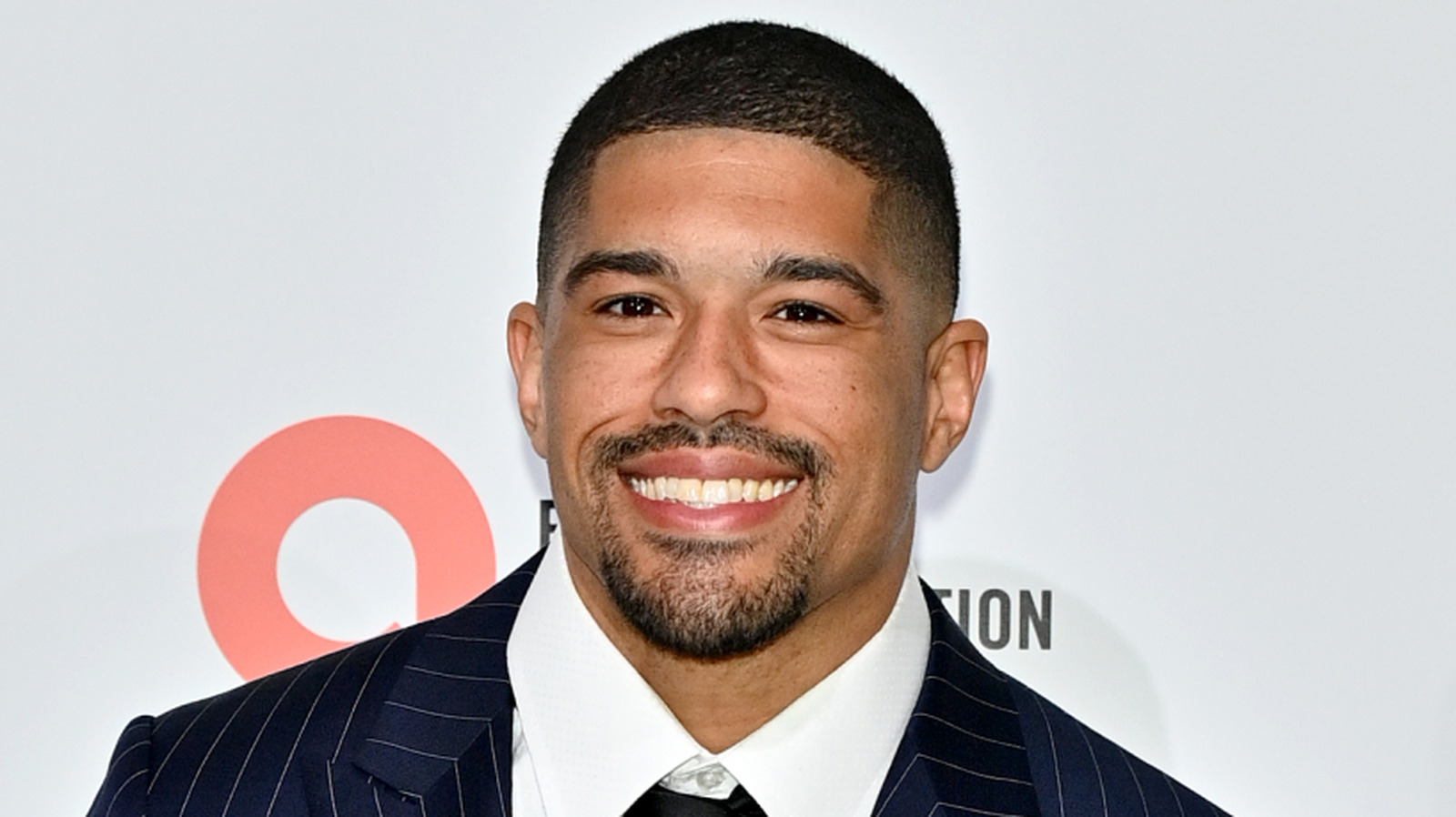
Max Caster and the Monday night reality of independent wrestling
The blue collar grind in Cranston
The air in the Cranston venue last night didn't smell like the corporate air conditioning of Allegiant Stadium. It smelled like wintergreen rub, stale beer, and the frantic energy of a Monday night crowd that knows they are seeing something they shouldn't. While the rest of the industry is currently booking flights to Las Vegas for WrestleMania 41, the 4/13 Wrestling Open show offered a different sort of data point.
Independent wrestling in 2026 is a strange beast. It is no longer just a feeder system; it is a parallel universe where national TV stars like Max Caster can spend their Monday nights working in front of a few hundred people in Rhode Island. This isn't a demotion for Caster, but it is a fascinating look at the logistical reality of the modern pro wrestler.
Caster arrived with the usual bravado, but the setting stripped away the AEW production sheen. Without the high-definition cameras and the choreographed light shows, you see the mechanics of the performer. The rap was sharp, hitting on local Cranston tropes that a national audience would never understand, proving that Caster is still one of the best directional mic workers in the business.
The Max Caster tactical breakdown
In the ring, Caster remains a study in economic movement. He doesn't waste steps. Every lockup is deliberate, and he has developed a way of using his 6-foot-1 frame to cut off the ring that feels increasingly old-school. His work yesterday focused heavily on the left shoulder of his opponent, a methodical dissection that felt like a training seminar for the younger talent on the card.
There is a precision to his dropkicks that often gets lost on TV. In the tight confines of the Cranston ring, the sound of the impact is the primary metric of success. Caster isn't looking for the highlight reel here; he’s looking for the three count in the most efficient way possible. His Mic Drop elbow from the top rope remains one of the most protected finishers in his arsenal, and he executed it with a snappishness that suggested he hasn't lost a step of his vertical leap.
However, there is a visible cynicism in his work that is hard to ignore. At several points during the match, Caster seemed to be going through the motions of his 'Platinum' persona, leaning on established crowd cues rather than reacting to the specific flow of the match. It is the curse of the TV star on the indie circuit—the crowd wants the hits, but the match often suffers for the repetition.
The Bear Bronson powerhouse problem
Bear Bronson is a man who should be a much bigger deal than he currently is. Watching him at Wrestling Open on 4/13, his physical presence was undeniable. He moves with a deceptive quickness for a man of his mass, often catching opponents off-guard with a lateral press or a sudden burst of speed into the corner.
Bronson’s work yesterday was a reminder of why the Iron Savages remain stuck in a specific kind of mid-card purgatory. He has the tools, the power, and the endurance to headline major shows. Yet, he seems trapped in a loop of being the 'reliable big man' who can take a loss without losing his heat. It is a valuable role, but one that feels like a waste of his ceiling.
His match was a tactical masterclass in power psychology. He utilized a series of short-arm clotheslines that looked genuinely punishing. The way he sits into his senton suggests a man who knows exactly how to use his weight to maximize the visual of the impact without actually injuring his partner. It is a professional's performance, but it lacks the 'killer instinct' required to jump to that next level of the card.
Stagnation in the Iron Savages model
The issue for Bronson isn't his skill; it's the branding. The Iron Savages gimmick has become a comfortable blanket that prevents him from being taken seriously as a main-event threat. In the small room in Cranston, you could see him working twice as hard as anyone else to get the crowd to buy into the powerhouse spots, yet the reaction remained somewhat muted.
If Bronson wants to avoid being a career 'indie gatekeeper,' he needs a tactical shift in his presentation. The power moves are there, but the connective tissue of his matches—the selling, the transitions, the moments of vulnerability—feels a bit too polished. It looks like a rehearsal for a TV match rather than a fight for his life in a Rhode Island community center.
One specific sequence stood out: a failed suplex attempt where Bronson had to improvise a recovery. His footwork in that moment was clunky, nearly tripping over the bottom rope. It was a rare lapse in a career defined by stability, and it highlighted the thin line between being a powerhouse and being a liability when the scripted spots break down.
The Wrestling Open philosophy on a Monday
Wrestling Open has carved out a unique niche by running shows on nights when the rest of the world is watching RAW or recovering from the weekend. By holding a show on 4/13, they captured the 'Mania Week' spillover fans who have already started their pilgrimage toward the big events. The crowd was a mix of local Rhode Islanders and hardcore travelers who can't go 48 hours without a live match.
The venue setup is minimalist. There are no guardrails, just a thin line of tape on the floor that the fans mostly respect. This creates an intimacy that is impossible to replicate in a stadium. When a wrestler gets tossed into the third row, the fans aren't watching a screen; they are scrambling to move their chairs before 280 pounds of human muscle lands in their lap.
This 'open door' policy for talent is both the promotion's greatest strength and its primary flaw. On one hand, you get surprises like Max Caster. On the other, the card can feel disjointed, a collection of matches without a unifying narrative thread. It is a pure workrate promotion, which is fine for the purists, but it lacks the stakes that make wrestling truly compelling over the long term.
The tactical cost of the indie grind
Running a weekly show requires a level of consistency that often leads to burnout. You could see the fatigue on the faces of some of the regular roster members yesterday. The wrestling was technically sound, but the emotional investment was lacking. It felt like a job, which is the one thing professional wrestling should never feel like to the audience.
The matches on the 4/13 card were largely short, favoring quick bursts of action over long-form storytelling. While this keeps the energy high, it prevents any single performer from truly standing out. Everything is a sprint, leaving no room for the 'breath' of a match that allows the audience to digest what they are seeing. It is the TikTok-ification of the squared circle.
Even the main event felt rushed. The closing sequence was a flurry of transitions that ended before the crowd could even process the setup. It was a 20 minute match squeezed into a twelve-minute window. This is the trade-off for the Monday night slot; you have to keep things moving to ensure the fans can get home before midnight on a work night.
The shadow of Las Vegas and WrestleMania 41
It is impossible to watch a wrestling show on April 14 without thinking about April 19. WrestleMania 41 is the looming titan that dictates the rhythm of the entire industry. Even in Cranston, the talk in the front row was about John Cena’s farewell tour and whether Cody Rhodes can actually survive the Bloodline on Night 2.
Shows like Wrestling Open serve as the counter-programming to the 'Spectacle of the Immortals.' They are the reminder that for every John Cena, there are a thousand Max Casters working on a Monday for a fraction of the pay. The indie scene is the foundation upon which the stadiums are built, but that foundation is currently showing some cracks.
The disparity in production value is becoming a problem. As WWE and AEW move toward increasingly cinematic and high-tech presentations, the 'bare-bones' indie show starts to look less like a gritty alternative and more like an outdated relic. The 4/13 show was fun, but it felt small in a way that didn't always work to its advantage.
Why the indie scene matters in 2026
Despite the lack of pyro and the folding chairs, the independent scene remains the only place where the art form is truly tested. There is no edit button in Cranston. There is no director in your ear telling you where the hard cam is. It is just you, your opponent, and a crowd that will tell you immediately if your work is trash.
Max Caster doesn't need to be in Rhode Island. He has a national contract and a healthy bank account. But he was there because that ring is where the calluses are formed. The tactical sharpness he displayed yesterday wasn't for the fans; it was for himself, a way to ensure he doesn't go soft in the luxury of the big leagues.
The industry needs these small rooms. They are the research and development labs of professional wrestling. Without them, the sport becomes a sterile, corporate product that loses its connection to the people. The 4/13 show wasn't a classic, and it won't be remembered as a turning point in the business, but it was a vital pulse check for a sport that is currently obsessed with its own celebrity.
Final tactical observations from Cranston
Looking back at the tape from yesterday, the standout moment wasn't a move or a rap. it was a transition during the mid-card tag match where both teams lost their place for a split second. The way they recovered—without a referee's help, without a camera cut—was the most impressive thing on the show. That is the skill that gets you to the 80,000 seat stadiums.
We are five days away from the biggest week in the history of the sport. The storylines are peaking, the betting odds are shifting, and the world is watching. But while the lights of Las Vegas are blinding, the dim lights of the Cranston hall are where the work actually happens. Max Caster knows that, Bear Bronson knows that, and the fans who showed up on a Monday night definitely know that.
Wrestling is in a state of managed chaos right now. The 4/13 report from Wrestling Open is just one small chapter, but it's a necessary one. It’s a reminder that the heart of the business isn't a logo or a streaming deal; it’s a ring in a room with too much humidity and a crowd that refuses to go home.
"If you can't make them care in a room of 200, you have no business standing in front of 80,000."
As we head into WrestleMania weekend, keep an eye on the guys who were working the indies this week. They are the ones who will be carrying the banners for the next decade. The grind doesn't stop for a stadium show; it just moves to a different city.
Read Next
- Johnny Sins wants to wrestle and it makes terrifyingly perfect sense
- The Krule stabbing case is closed but the indie scene is still bleeding
- Ricky Starks in Las Vegas: Why the BRCW debut signals a massive shift
- WrestleMania 41 is the end of an era we aren't ready to let go of
- 🏆 WrestleMania 41 — Full Coverage Hub
WWE Elite Collection Roman Reigns Top Picks 2026 Action Figure
A highly articulated 'Original Tribal Chief' figure complete with the Ula Fala.
Frequently Asked Questions
What was Max Caster's technical strategy during the Wrestling Open match?
Where did the April 13 Wrestling Open event take place?
How did Bear Bronson perform during the independent show in Cranston?
What makes Max Caster’s wrestling style unique in an independent setting?
Why are national TV stars still competing in small Rhode Island venues?
More Coverage
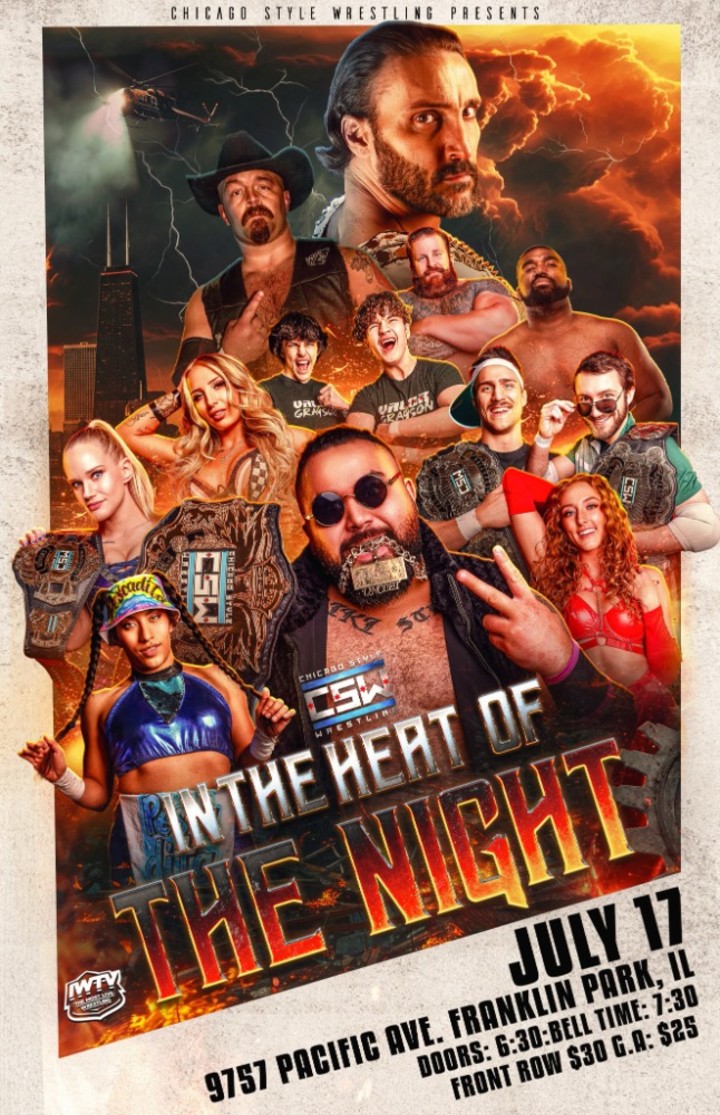
Chicago Style Wrestling ignored the basics and it showed
16 hours ago
Chicago Style Wrestling proves indie grit still lives in Franklin Park
16 hours ago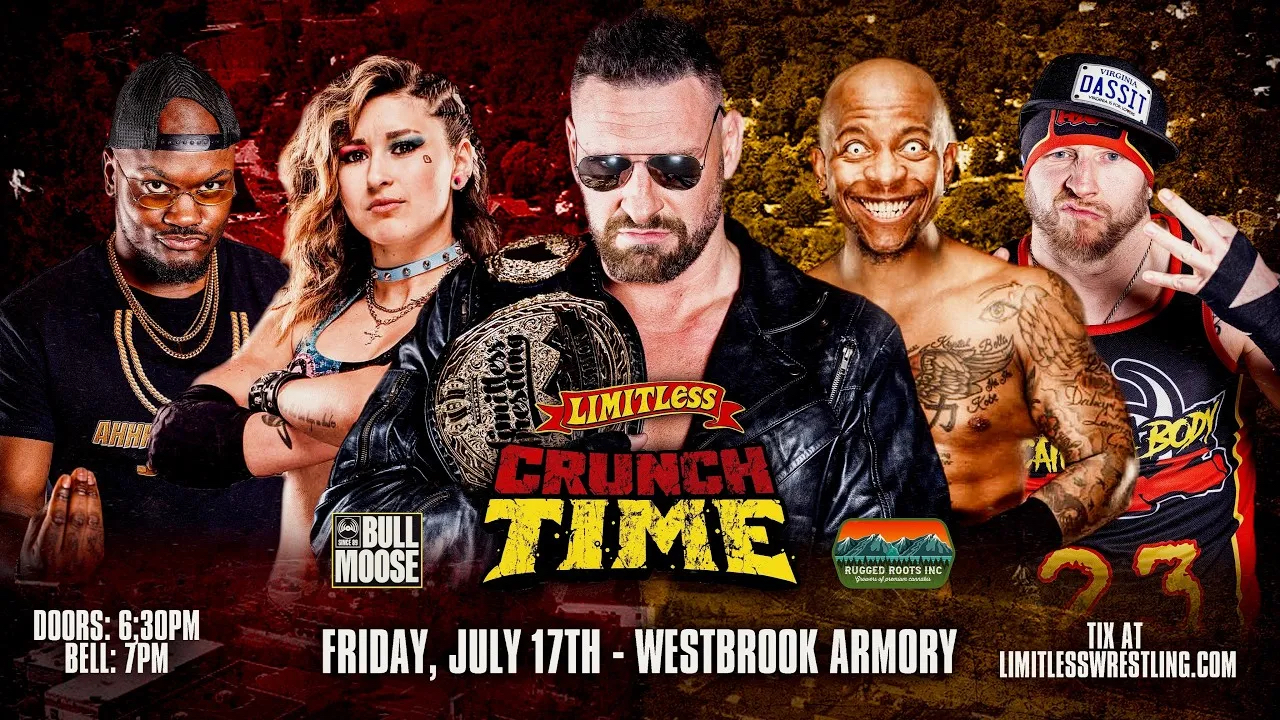
Westbrook Armory turned into a pressure cooker for Crunch Time
16 hours agoTNA keeps grinding while the indies define the summer
19 hours ago
Avery Styles and CJ Gallows face the Good Brothers: A bizarre indie experiment
1 day, 1 hour agoScenic City Invitational returns to push technical limits in Red Bank
1 day, 21 hours agoMore Analysis
Wrestling Open is proving the indy grind is alive and kicking
1 month, 1 week agoWrestling Open is the grimy reality check we need before WrestleMania
3 months, 1 week ago
Wrestling Open is proving the indies aren't just surviving, they're thriving
3 months, 4 weeks agoGotham Wrestling proves the Northeast indie circuit is as chaotic as ever
2 months, 2 weeks ago
TNA is refusing to sell while the indie wrestling scene melts down
3 weeks ago