The physical reality of the NXT Women's Championship reign
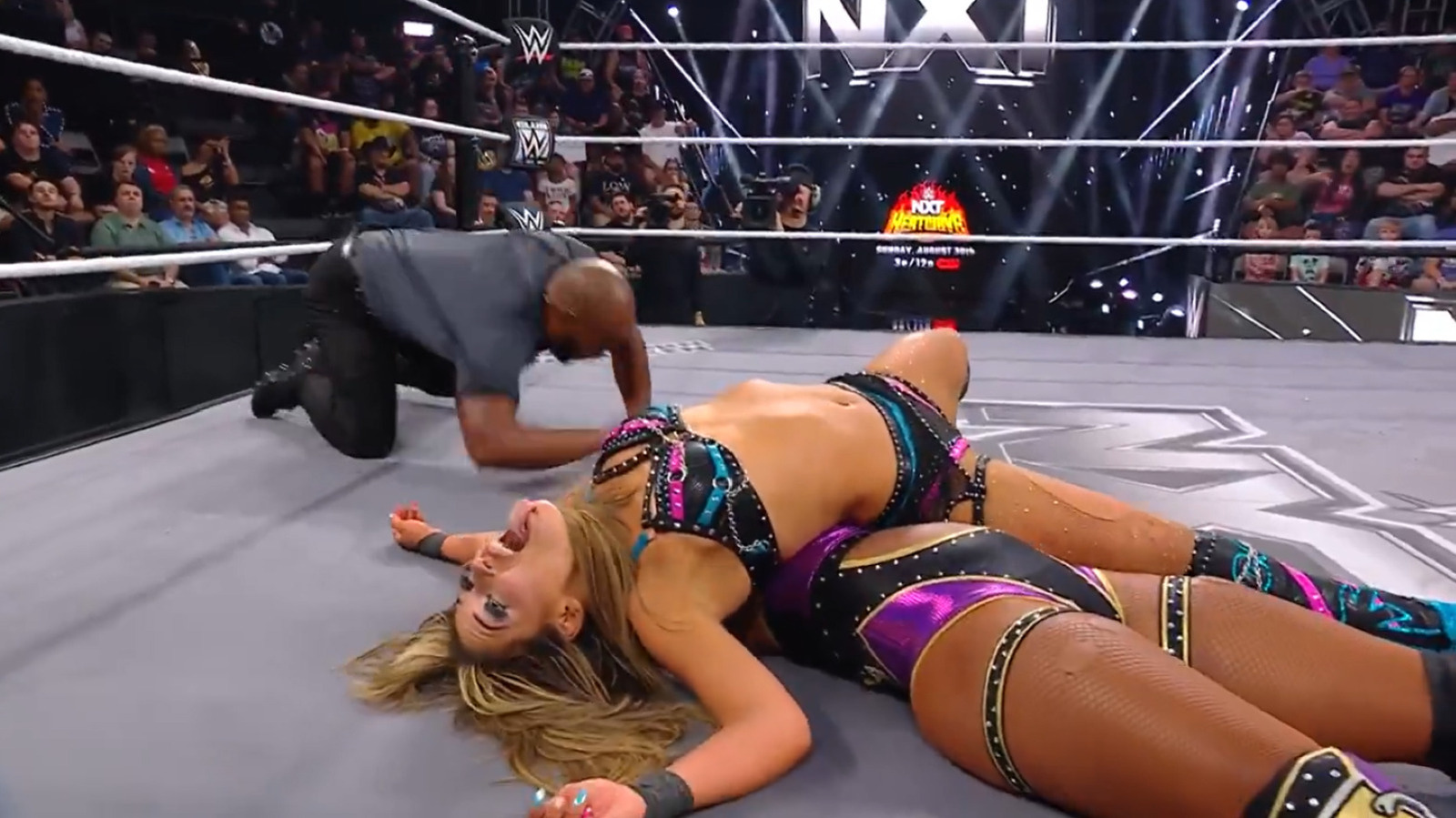
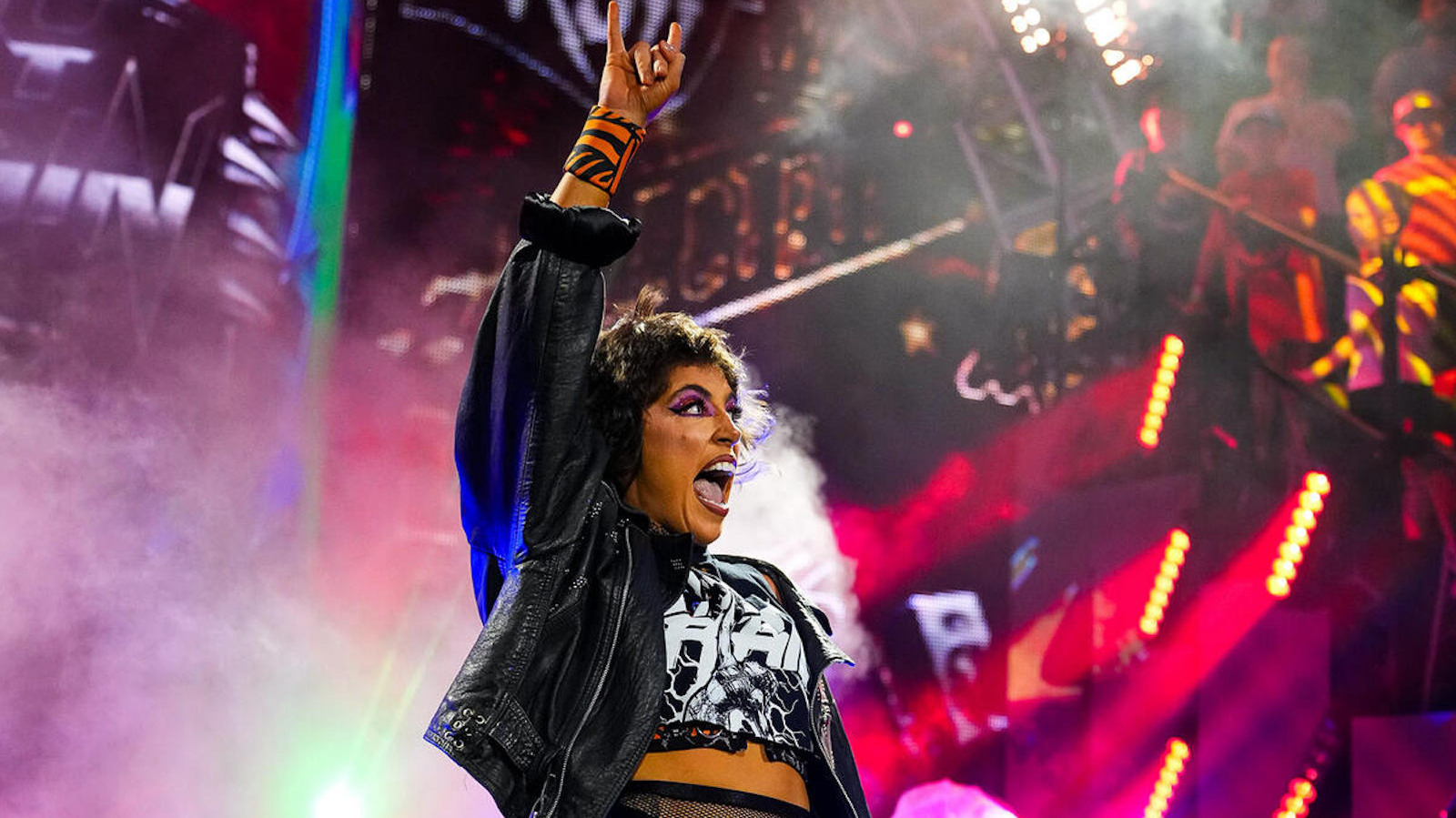
Lola Vice continues to hold the NXT Women’s title, but the cost of her tenure is mounting. Following a successful defense last week, the internal discourse around her style has shifted from technical praise to genuine concern regarding her durability. While Vice managed to outmaneuver recent interference tactics to retain the gold, the cumulative toll of her defensive work is becoming apparent.
Reports from the Performance Center indicate that the training load required to maintain the pace of her current championship run is nearing a threshold. Vice has banked heavily on high-impact strikes and rapid-fire grappling exchanges, often trading shots that leave little room for mechanical safety. This trajectory mirrors past titleholders who prioritized short-term heat over long-term physical sustainability.
The strategic risk of high-intensity booking
Managing a champion who refuses to dial back the intensity is a recurring problem in the developmental promotion. We have seen this specific brand of aggression lead to sidelining injuries frequently over the last three years. When talent opts for stiff, impact-heavy sequences over rhythmic transitions, they invite variance into their recovery cycles.
The current scheduling conflict involves managing the recovery time between televised tapings while maintaining the credibility of the belt. If the medical team mandates a shift in style, it risks cooling off the momentum Vice has generated since her ascension. This creates a binary choice for the booking office: protect the talent at the expense of the character's heat, or continue the current pace and risk a sudden vacancy.
Comparative analysis of championship durability
Historically, NXT title runs that focus on high-variance physical exchanges rarely exceed the six-month mark without significant downtime. Comparable situations over the last 18 months resulted in mandatory rest periods ranging from 4 to 8 weeks. For Vice, this implies that any minor flare-up in joint mobility or neck alignment will likely trigger an immediate, unscheduled hiatus.
The removal of The Culling from the title match parameters recently was a tactical decision aimed at reducing the risk profile for both Vice and her challengers. By stripping away volatile external variables, the front office attempted to force a cleaner, safer contest. However, the move arguably signaled a lack of confidence in the current roster's ability to navigate high-risk environments without incurring damage.
The impact on the wider division
The uncertainty regarding Vice's physical status impacts talent who are currently mid-program. Challengers find themselves in a holding pattern while waiting for medical clearance updates, which complicates long-term storytelling. When a titleholder consistently pushes the physical envelope, the secondary and tertiary storylines across the division are effectively frozen until the medical report leaks.
The lack of a secondary contingency plan for the championship belt is a glaring oversight. If the division relies entirely on a titleholder whose work rate borders on unsustainable, the booking team effectively creates a high-stakes bottleneck. This is not just a personal challenge for the athlete; it is a systemic fragility that the promotion’s leadership has failed to address despite numerous precedents.
As Wrestling Inc recently detailed, the focus remains firmly on her ability to overcome interference rather than the lasting physical consequences of her matches. While the win-loss record remains clean, the internal metrics on strike absorption are troubling. Whether this leads to a mid-summer pivot in style or a strategic vacation from the ring is the primary question facing the performance staff this month. The current status remains fluid, but the risk of a mandatory layoff is rising with every high-impact defense confirmed on the docket.