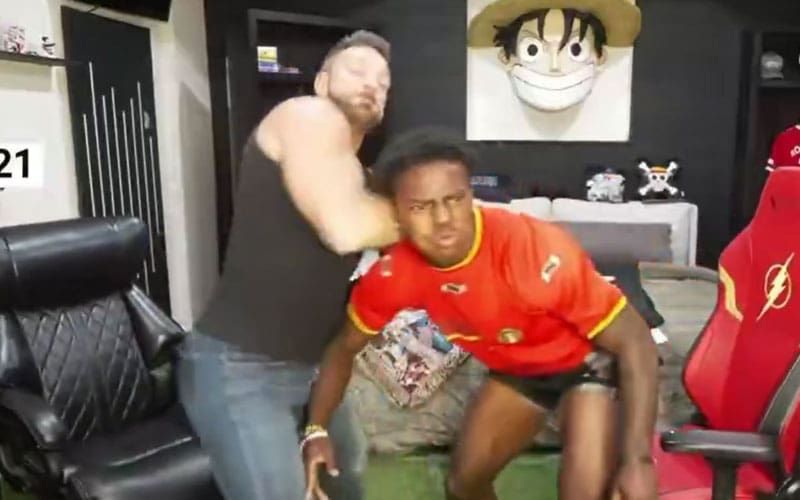
Measuring the impact of the broadcast invasion
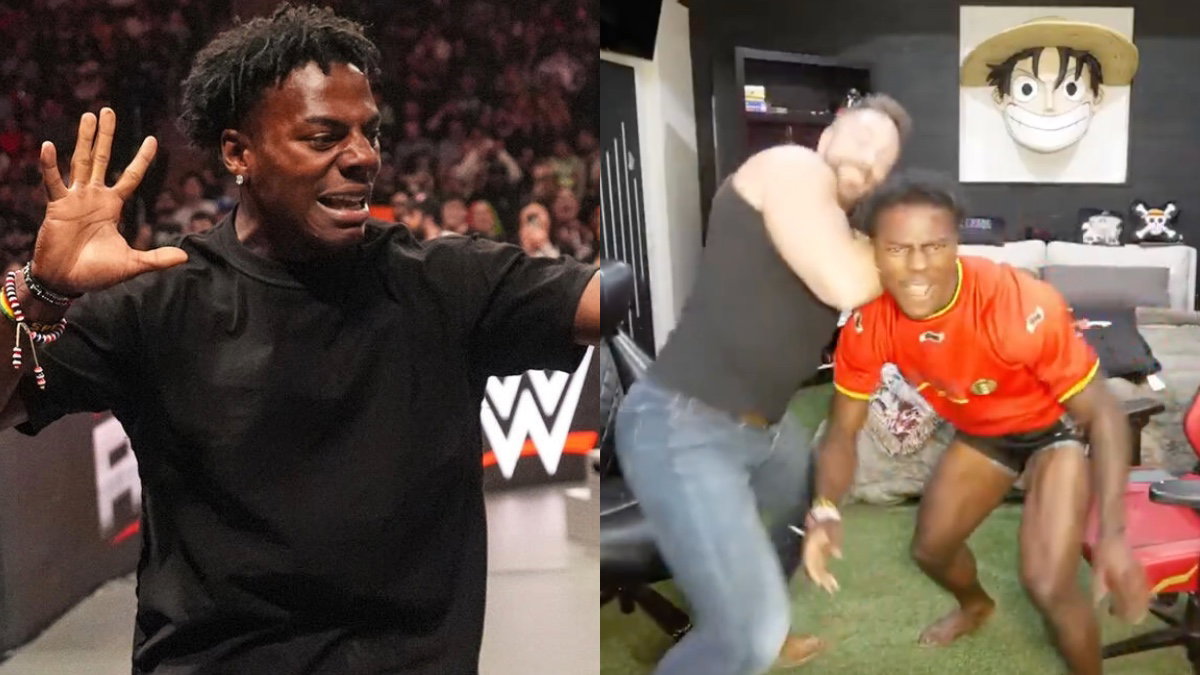
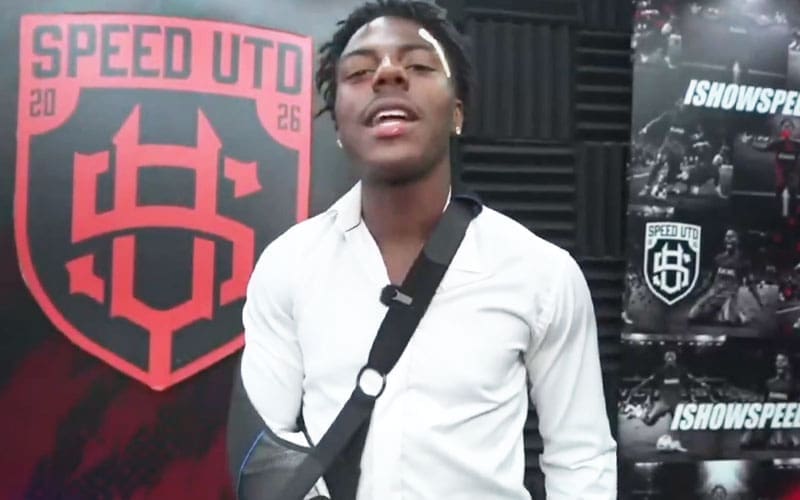
In the digital era of professional wrestling, the line between shoot and work has effectively dissolved. When LA Knight decided to crash IShowSpeed’s livestream on April 2, he wasn't just chasing heat; he was hunting an audience that traditional television ratings often struggle to capture. The result was a physical confrontation that left the streamer with a bruised face and a sling, a visual narrative that traveled faster than a standard Tuesday night segment.
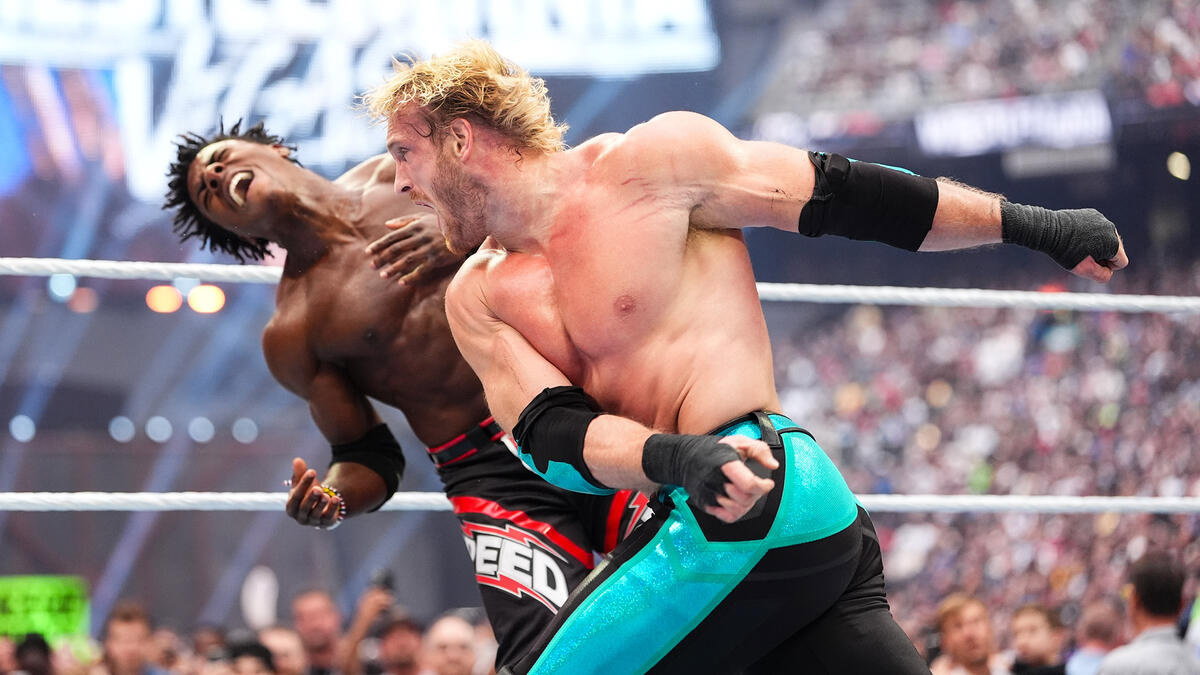
This skirmish isn't merely tabloid fodder for wrestling sites. It represents a specific shift in how WWE builds momentum for events like WrestleMania 41. By targeting a creator of Speed's stature, Knight is effectively bypassing the limitations of the classic interview segment. He is weaponizing a fan base that numbers in the tens of millions, converting casual viewers into potential Night 1 ticket buyers.
The return on investment for high-velocity drama
The numbers behind this move are stark when compared to traditional media appearances. While a standard guest spot on talk shows yields a measurable but predictable engagement window, an unscripted, violent interaction on a live broadcast creates long-tail content. We saw the fallout almost immediately; Speed documented his injuries in real-time, effectively extending the angle for 48 hours without WWE production teams needing to lift a finger.
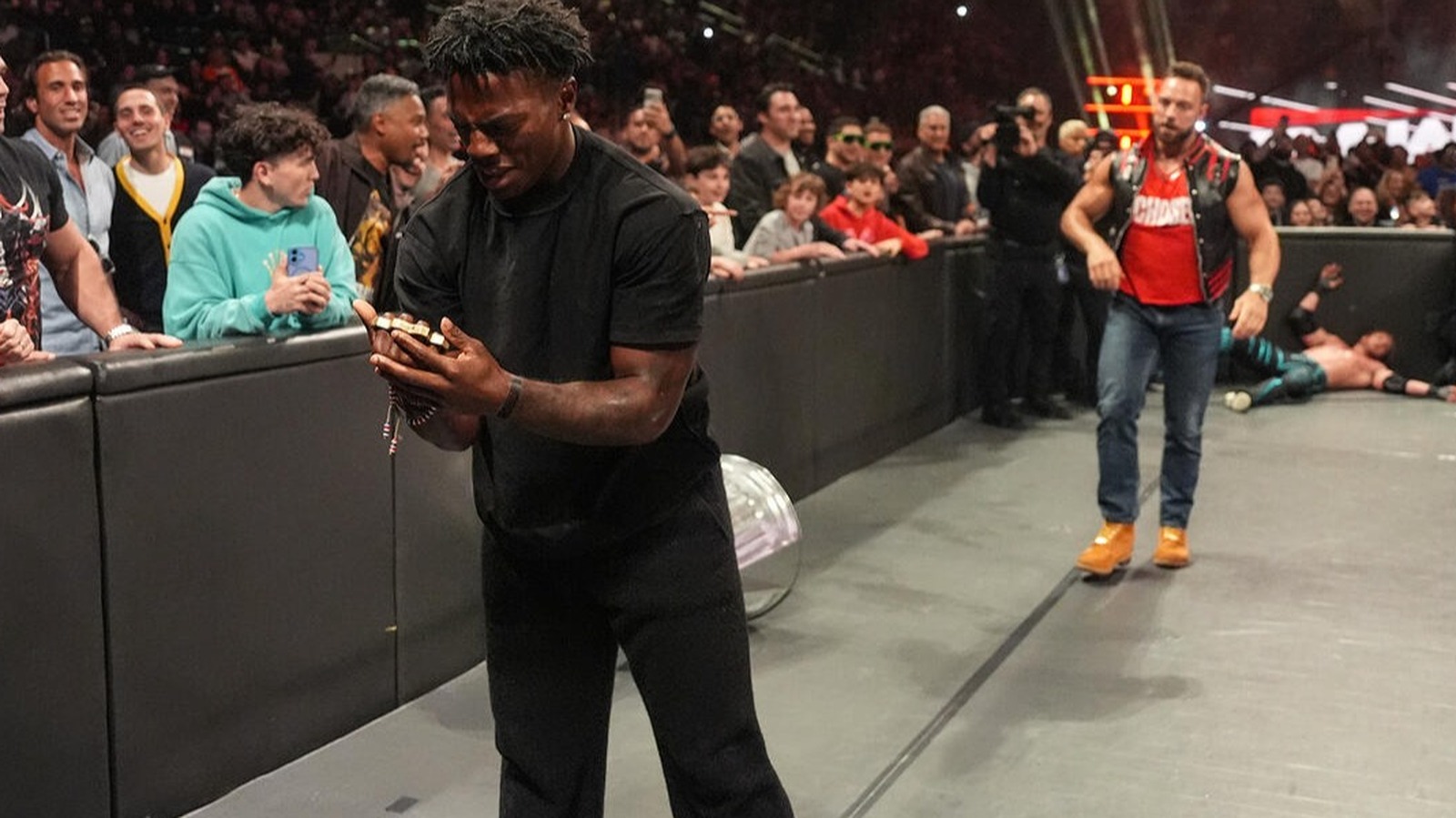
However, there is a fundamental risk in utilizing professional streamers as a core promotional tool. When the performer enters a controlled environment on April 19, the disparity in delivery is glaring. As reported by WrestleTalk, Speed’s reaction to the brass knuckles incident emphasizes the physical toll, yet the lack of polish often makes it feel like an uneven trade. WWE risks diluting its primary athletes by placing them against individuals who lack the training to sell a sequence correctly.
The statistical reality of modern feuds
- Average livestream concurrent viewership exceeded 400,000 during the initial clash.
- Social media engagement on the incident saw a 22% spike in the 18-24 demographic compared to the previous week's television metrics.
- The physical proof of the attack, documented in Ringside News, generated over 3 million impressions within the first 6 hours of posting.
These figures demonstrate that while the match quality itself remains the product, the build is increasingly about cross-platform saturation. Knight used a simple tactic—a physical strike leading to a visible injury—to command the narrative. Whether this major booking gamble pays off in the final gate revenue for late April remains the real question. For now, we are witnessing a transition from traditional scripted promos to chaotic, internet-native storytelling where the camera is always on, and the script is optional.