The Jacksonville studio experiment
Jacksonville's WJCT Studios feels completely divorced from modern arena wrestling. It is dark, cramped, and aggressively loud. You do not get the sweeping hard-cam shots of a sold-out stadium.
Instead, you get the raw, unfiltered sound of bodies hitting the canvas and fans screaming insults from the third row. On April 30th, for the 164th episode of ROH TV, that intimate setting hosted two wildly different spectacles. The show delivered exactly what HonorClub subscribers expect. It featured hard-hitting action, logical in-ring psychology, and a few finishes that looked genuinely painful.
But watching this product in May 2026 is an exercise in extreme patience. The mechanical execution of the wrestling is rarely the problem. The issue is context.
You tune in to see world-class athletes, but you are often left wondering what any of it actually means in the grand scheme of Tony Khan's massive booking spreadsheet. Thursday night was a perfect example of this frustrating dynamic. We saw a generational talent squash a veteran talker, and we saw a bruising heavyweight clash that felt like a localized turf war.
Both matches delivered on paper. But as we inch closer to AEW's Double or Nothing pay-per-view on May 24, these isolated bursts of violence highlight a glaring reality. Ring of Honor is currently functioning as an expensive holding pen for wrestlers who deserve much better placement on national television.
The pacing of the show itself felt strange. The crowd was hot, but the stakes were non-existent. When you watch WWE gearing up for Backlash on May 9, you see a company obsessed with narrative momentum.
Every match on the rival promotion's card builds to a distinct payoff. Ring of Honor, by contrast, feels like a random assortment of dream matches and squash bouts. It is fun to watch in a vacuum, but it is impossible to care about on an emotional level.
Takeshita's holding pattern
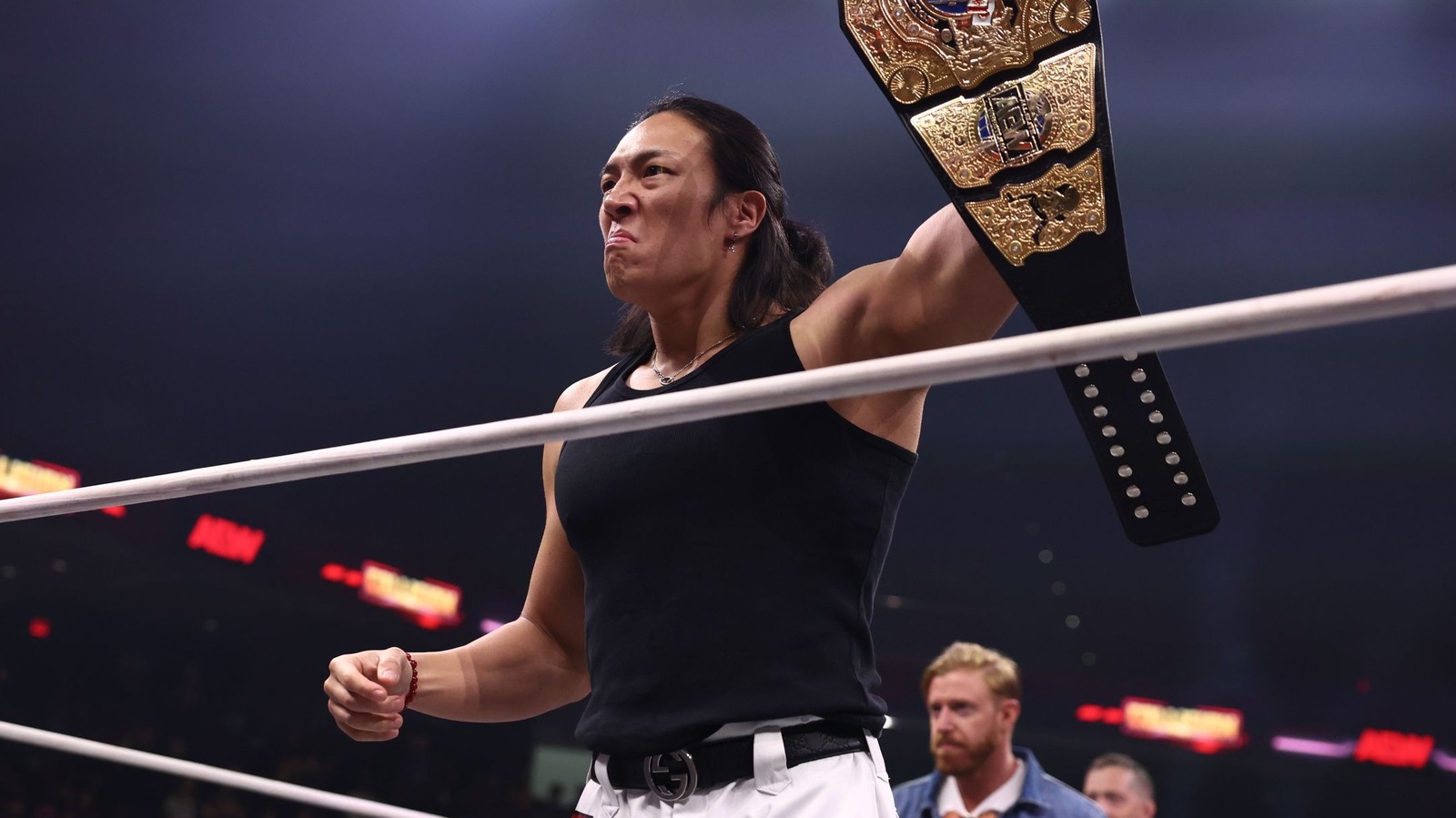
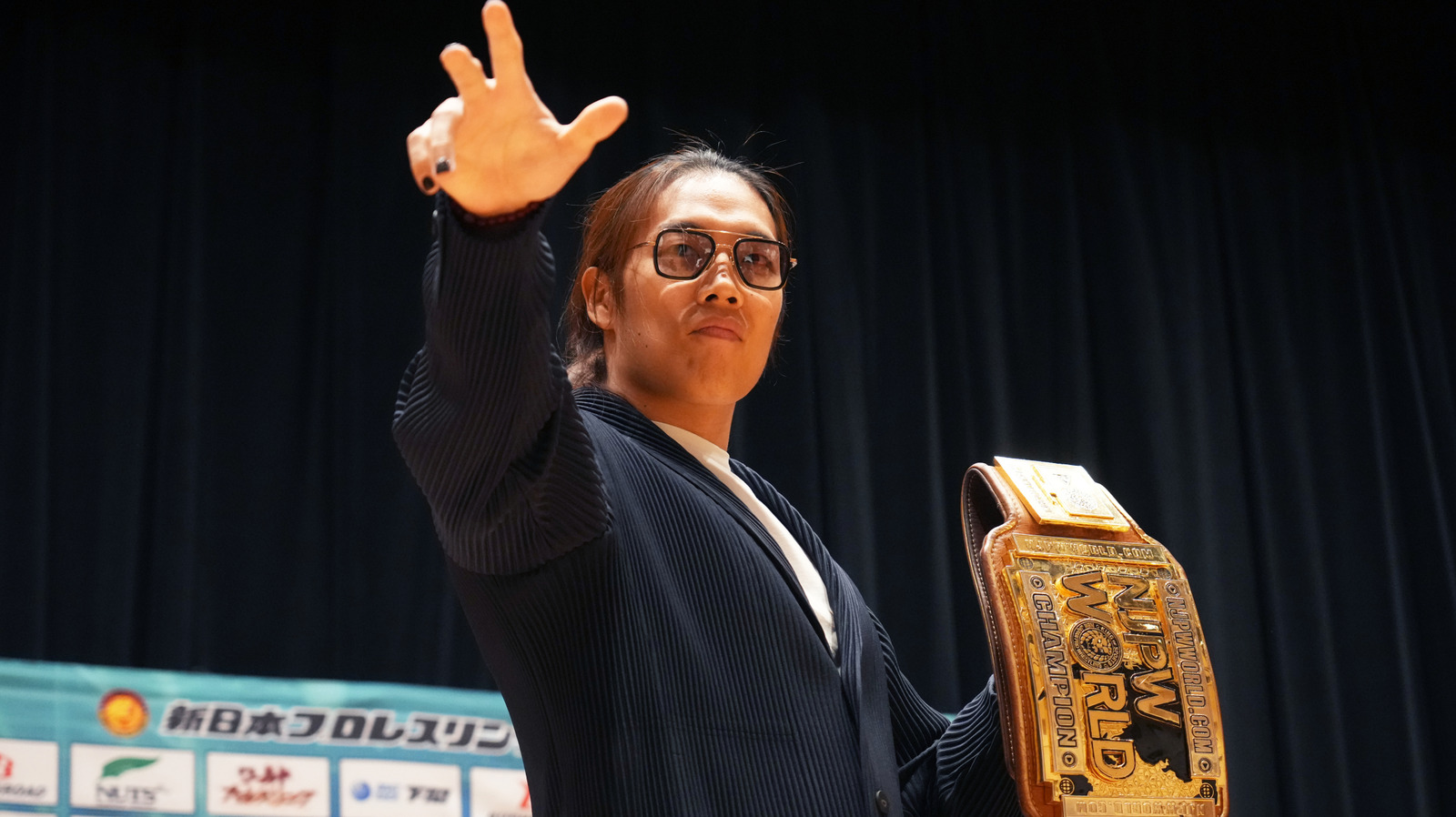
Let us start with the most obvious example of a wrestler outgrowing his current environment. Konosuke Takeshita defeated Matt Menard in exactly six minutes and forty-three seconds. It was a mismatch from the moment the bell rang.
I mean that as a sincere compliment to Takeshita's overwhelming physical presence. Menard is a savvy veteran who knows exactly how to mask his limitations. He understands how to stall, how to crowd the referee, and how to drag an opponent into a messy, grinding pace.
For the first two minutes, Menard completely refused to wrestle Takeshita's style. He threw clubbing forearms to the back of the neck. He tried to keep the Japanese star grounded with heavy side headlocks. It was a smart strategy against a guy who relies on explosive, lateral movement to generate offense.
But Takeshita simply possesses too much velocity for those veteran tricks to work for long. Once he created separation, the match was effectively over. He hit a jumping lariat that nearly took Menard's head off, followed by a series of remarkably stiff elbows in the corner.
The finish came via the Power Drive Knee. It is a strike so vicious it forces you to rewatch the replay just to make sure the opponent's jaw is still attached to their skull.
Takeshita looked incredible. That is precisely why this booking is so irritating. Why is a guy who looks this destructive relegated to a mid-card match on a streaming platform?
The Don Callis Family was supposed to be a vehicle that pushed Takeshita into the main event scene. Callis was supposed to do the talking while Takeshita collected championships. Instead, he is beating up guys like Menard in front of a few hundred people on a Thursday night.
It is a gross mismanagement of premium assets. When Double or Nothing arrives in Vegas, Takeshita should be entering the arena for a marquee singles match against a top-tier babyface. Instead, he feels like a guy killing time until the creative team remembers he is on the payroll.
This is not a new problem for AEW's roster management, but it feels particularly egregious here. Takeshita is entering his absolute physical prime. Every week he spends trading meaningless wins on HonorClub is a week wasted.
The brutality of Shane Taylor
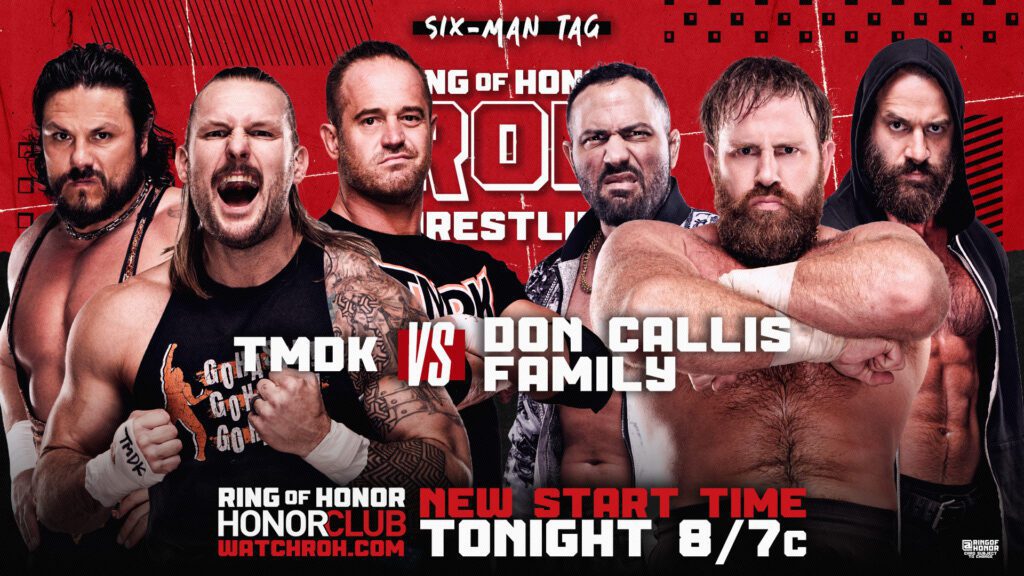
If Takeshita's victory was a showcase of explosive athleticism, Shane Taylor's win over Mance Warner was a grinding, ugly war of attrition. Taylor walked into the building carrying six-man tag team gold. But this was a personal, one-on-one fight against a guy who famously thrives on chaos.
Mance Warner is not a technical wizard. He is a bar fighter who accidentally wandered into a wrestling ring. He brought that exact chaotic energy to Jacksonville.
Warner tried to make it a brawl on the floor immediately. He threw wild right hands and tried to introduce foreign objects into the equation early on. For a few fleeting moments, it actually looked like Warner's unorthodox offense might rattle the champion.
Then Taylor remembered he is one of the heaviest hitters in the entire industry. Taylor shut down Warner's momentum with a sickening right hook that echoed through the studio. From there, Taylor systematically dismantled the challenger.
He used his massive frame to lean on Warner in the corners, draining the energy out of his legs. Taylor works a very deliberate, methodical style that forces opponents to fight out of deep deficits. The finish was brutal and totally definitive.
Taylor hoisted Warner up and spiked him with the Marcus Garvey Driver. It remains one of the most protected and devastating finishers in the promotion today. Taylor did not just beat Warner; he sent a message to the entire locker room that he operates on a different level of violence.
But again, we have to ask the difficult question about the endgame. Taylor is dominating singles competition while holding a six-man tag team championship. The division feels completely disjointed.
Is Taylor going to transition into a singles title program? If so, why is he still dragging around the trios belts? The total lack of narrative focus undercuts the impact of these great individual performances.
A critical crossroads for ROH
Ring of Honor has always prided itself on being the ultimate destination for pure professional wrestling. But in 2026, pure wrestling is not enough to sustain a brand or drive subscriptions. You need actual stakes. You need forward momentum.
Right now, the product feels like a very expensive developmental territory for AEW. It is mixed with a graveyard for stalled pushes. Takeshita and Taylor are doing the absolute best work they can with the material they are given.
They are going out to the ring and delivering hard-hitting, believable offense. They are not cheating the fans who paid the admission price. The creative team, however, is cheating the wrestlers.
You cannot expect fans to invest emotionally in Takeshita's journey if his journey consists entirely of random, disconnected matches. You cannot build Taylor as a dominant monster if his victories never lead to higher stakes challenges or prominent pay-per-view spots.
We are desperately missing the connective tissue that makes a wrestling show great. A post-match promo from Takeshita calling out a top AEW star would have changed the entire complexion of this episode. A backstage segment showing Taylor confronting the ROH World Champion would have added immediate intrigue to his victory over Warner.
Instead, we just get matches. They are great matches, without a doubt. But matches without consequences are just athletic exhibitions. The fans in Jacksonville deserve better, and more importantly, the talent in the ring deserves better.
The final prediction
Looking ahead to the rest of the spring schedule, I have to make a prediction about where this is all heading. The harsh reality is that I do not expect much to change in the short term. Takeshita will likely pick up another three or four dominant wins on HonorClub.
He will hit his signature spots perfectly. He will look like a million bucks. And then he will be hot-shotted into a multi-man ladder match or a random tag team bout at Double or Nothing.
He will bump like crazy, he will hit the Power Drive Knee on someone important, and he will ultimately end up on the losing end. Why? Because he has not been protected in a meaningful storyline. It is a predictable, depressing cycle.
As for Shane Taylor, I expect him to continue defending the six-man belts in matches that overdeliver in the ring but underdeliver in storyline buildup. He will remain a foundational piece of the ROH roster. He is a guy you can always rely on for a stiff, bruising fight. But he will not get the main event spotlight he clearly deserves.
I would love to be proven wrong. I want to see Takeshita interrupt a main event promo segment on Dynamite next week and lay someone out. I want to see Taylor demand a singles championship match. But until I see actual evidence of long-term planning, I am forced to treat these episodes as highly entertaining, ultimately meaningless television.