The Road to Las Vegas Ends in the Training Room
The biggest week in professional wrestling has arrived, but one of its most reliable pillars will be watching from the sidelines. Kevin Owens, the man who has spent the last decade as WWE’s ultimate utility player, has been officially ruled out of in-ring competition for WrestleMania 41 following a severe neck injury that has sent shockwaves through the locker room. While the 41-year-old Prizefighter is still scheduled to appear at the WWE World fan festival in Las Vegas, the diagnosis effectively ends any hope of him replicating his legendary main-event moments from years past.
The timing is particularly cruel. With the industry converging on Allegiant Stadium for a two-night spectacle centered on Cody Rhodes and CM Punk, Owens was internally penciled in for a high-profile spot that would have capitalized on his ongoing friction with the Bloodline. Instead, the focus has shifted from booking plans to medical charts. Reports from within the company suggest that Owens has been dealing with lingering issues for months, but a recent evaluation revealed structural damage that made further competition an impossibility without immediate intervention.
This isn't just a storyline pivot; it's a sobering reminder of the physical cost of the modern wrestling style. Owens has built his reputation on high-impact offense that belies his frame, from the Pop-Up Powerbomb to the 450 splashes and frog splashes that have defined his career. But at some point, the bump card comes due. The cumulative effect of a two-decade career spanning the brutal indies of the early 2000s to the grueling WWE schedule has finally caught up to the Quebec native.
The Stone Cold Connection and the Path to Recovery
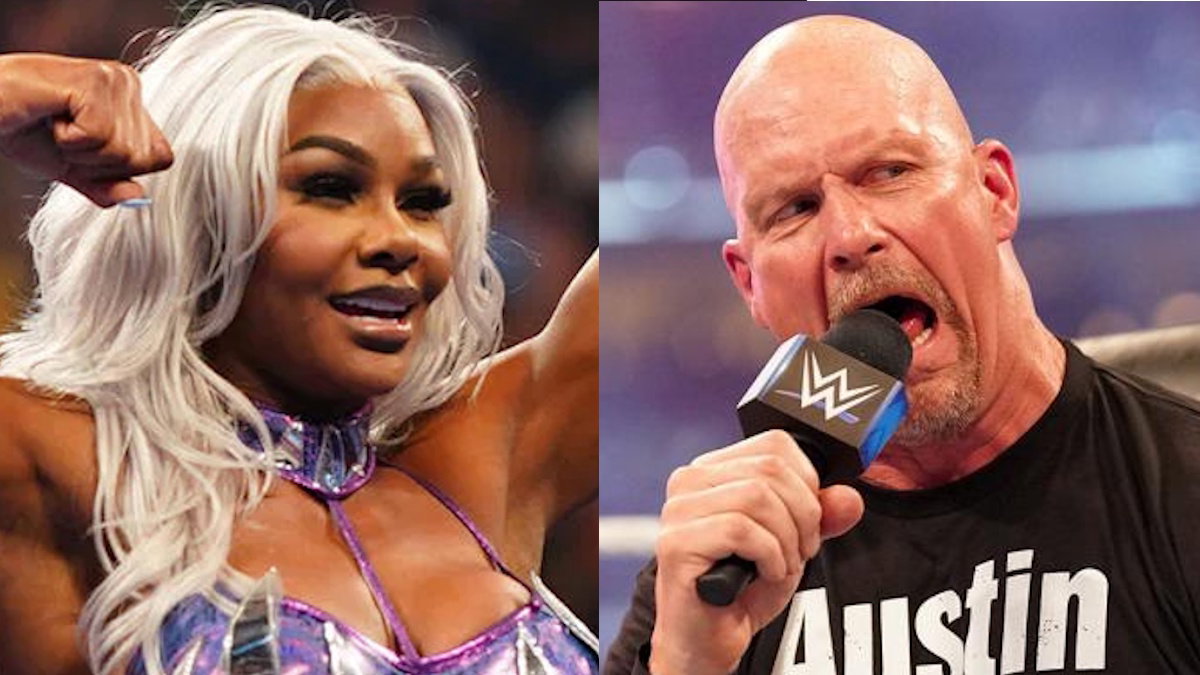
In a development that highlights the gravity of the situation, "Stone Cold" Steve Austin has reportedly been in constant contact with Owens throughout the last month. Austin, who famously navigated a career-altering neck injury of his own after a botched piledriver at SummerSlam 1997, has not only offered moral support but has actively recommended medical specialists to Owens. The bond between the two, forged during their WrestleMania 38 encounter, has transcended the ring, with Austin serving as a mentor for a performer who is now walking a path the Texas Rattlesnake knows all too well.
Austin’s involvement isn't just sentimental; it’s practical. Neck injuries are the silent career-killers of this business. Whether it’s spinal stenosis or herniated discs, the margin for error is non-existent. By steering Owens toward specific surgeons, Austin is attempting to ensure that Owens doesn't just return to the ring, but that he preserves his quality of life after the boots are hung up. Sources indicate that Owens has been weighing his options between a conservative rehab approach and a surgical fusion that would likely sideline him until at least 2027.
"I told him to listen to his body. This business will take everything you give it, and then it'll ask for more. You have to know when to step back so you can walk away later."
The Concussion Protocol Crisis and the AAA Factor
Owens isn't the only member of the roster facing a medical red light. Dominik Mysterio, who has arguably been the most improved performer of the last three years, found himself in the concussion protocol following a brutal outing at the AAA Rey de Reyes event in Mexico. While WWE has historically been protective of its talent working outside dates, Mysterio’s appearance was part of a broader strategic partnership that backfired when a high-risk spot resulted in a significant head injury.
Mysterio has since posted positive updates on social media, suggesting he is nearing a return, but his absence from recent episodes of Raw has highlighted a growing problem for WWE: roster depth. In an era where the company is attempting to run three distinct brands while managing international partnerships, the physical toll on the talent is mounting. The "concussion protocol" is no longer a suggestion; it is a rigid 14-day minimum absence that can disrupt months of storytelling in an instant.
The contrast between WWE's medical struggles and the thriving independent scene is stark this week. As PWInsider reported, GCW’s The Collective is kicking off today with a massive slate of international talent from Dragon Gate and Pro Wrestling Unplugged. These smaller promotions often operate without the stringent medical oversight of a billion-dollar corporation, creating a high-risk, high-reward environment that continues to feed the industry’s hunger for innovation, even as the top-tier stars of the WWE machine break down under the weight of expectations.
Historical Context: The Legacy of the Broken Neck
Wrestling history is littered with the names of icons whose careers were truncated by cervical spine issues. Edge was forced into a nine-year retirement in 2011; Saraya (Paige) missed the prime of her career; and Kurt Angle famously won a gold medal with a "broken freakin' neck" only to spend the rest of his career in a constant battle with nerve damage. Owens is now entering that same hall of uncertainty. Unlike the stars of the 80s who could rely on technical wrestling to hide physical limitations, the 2026 style requires an athleticism that doesn't allow for a compromised neck.
There is also the question of the finisher. Owens adopted the Stunner with Austin’s blessing, a move that requires a vertical drop on the tailbone that sends a shockwave directly up the spine. While it’s one of the most protected moves in history, it is also a move that demands a healthy back. If Owens is to return, he may have to reinvent himself once again, moving away from the high-flying antics and the spinal-jarring finishers that have made him a household name.
The strategic implications for WWE are immense. Owens has been the bridge between the "indie darling" era and the current TKO-led corporate structure. Losing him for an extended period, especially on the cusp of WrestleMania 41, leaves a void in the upper-midcard that isn't easily filled. Younger stars like Bron Breakker or Carmelo Hayes may see their timelines accelerated, but they lack the ten-year equity Owens has built with the audience. You can't just manufacture the kind of connection Owens has; it’s earned through thousands of matches and hundreds of towns.
A Critical Look at the 'New Era' Workload
While WWE touts its current success as a "New Era" of prosperity, the injury list tells a different story. The move toward more "realistic" and hard-hitting matches, influenced by the popularity of international styles, has inherently increased the risk factor for every performer. It is a failure of management to ignore the warning signs when veterans like Owens start showing signs of wear. Pushing a 41-year-old through a heavy touring schedule while he is clearly hurting is a questionable decision at best and negligent at worst.
The company will point to its state-of-the-art Performance Center and medical staff, but those resources are reactive, not proactive. Until the schedule is reduced or the style is moderated, we will continue to see the biggest stars in the industry missing the biggest shows of the year. For Kevin Owens, the focus now turns to life after the ring. Whether he undergoes surgery or opts for a long-term hiatus, the priority must be his health. WrestleMania 41 will happen without him, and while the show will go on, the absence of the Prizefighter leaves a hole in the heart of the card that no amount of pyro or pageantry can truly fill.
The reality is that we may have seen the last of Kevin Owens as a full-time, main-event caliber performer. If he does return, it will likely be in a limited capacity, a "special attraction" role that mirrors the latter years of Shawn Michaels or Triple H. It’s a transition that every great wrestler must eventually make, but seeing it happen to a man who still feels like he has so much left to give is a bitter pill for the fans in Las Vegas to swallow this weekend.
Read Next
- Dominik Mysterio and the Lingering Shadow of Rey at WrestleMania 41
- WWE locker room is a mess right now and WrestleMania is only five days away
- CM Punk’s WrestleMania history and the physical toll of his current run
- Stephanie Vaquer is limping into WrestleMania 41 with more than just physical bruises
- 🏆 WrestleMania 41 — Full Coverage Hub