The Veteran Divide in AEW
The collision of mainstream television and professional wrestling is always a tricky balance. We are seeing the stark contrast of that reality play out right now on AEW programming. As noted in the recent PWInsider report, Chris Jericho is making a guest appearance on the hit CBS series 'Tracker'. It is a move that makes sense for a veteran who has spent two decades trying to ensure his face is on every screen imaginable.
For AEW, Jericho’s outside ventures are a frustrating double-edged sword. You get a recognizable name popping up on network television, potentially dragging a few curious eyeballs back to Wednesday nights. But the reality is that it often feels like Jericho’s television time operates in a complete vacuum. It feels totally disconnected from the very real, visceral momentum building elsewhere on the card.
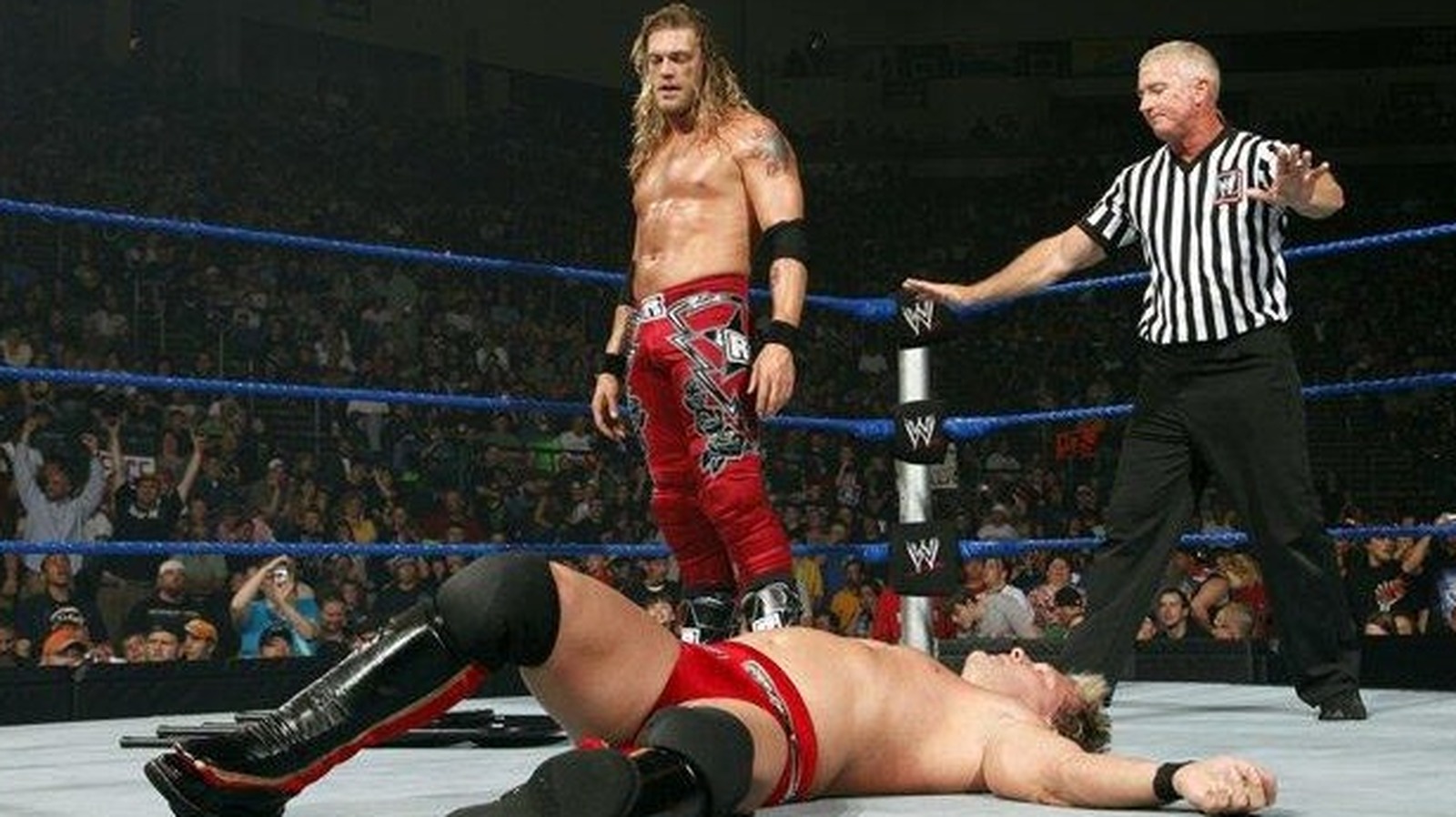
It is a reality we have to address with AEW Dynasty just five days away. While Jericho is out securing guest spots and playing the crossover star, the actual emotional weight of the promotion is being carried by his contemporaries. The heavy lifting is being done by guys like Adam Copeland and Christian Cage.
You cannot talk about the current state of AEW without talking about Copeland and Cage. They are the undeniable anchors of the veteran class. Unlike Jericho, whose character shifts often feel like throwing paint at a wall to see what sticks, Copeland and Cage have found a chilling, focused groove that anchors the television product.
The Mastery of Christian Cage
Christian Cage has done the best character work of his entire career since arriving in AEW. It really is that simple. He does not rely on cheap pop-culture references or sing-along entrance themes. He just wears a turtleneck, glares at the camera, and says the most viciously personal things you can imagine about his opponents and their families.
He turned a stagnant Luchasaurus into a tragic monster named Killswitch. He manipulated a teenage Nick Wayne into turning on his own mentor. Cage is doing the kind of old-school, heat-seeking heel work that makes you actively want to see him get punched in the mouth. It is rare in modern wrestling, where the bad guys usually just want to sell cool merchandise.
Then there is Adam Copeland. Since his arrival at WrestleDream, he has been on an absolute tear. He is desperate to prove that his late-career run is not just a polite nostalgia tour. He is taking horrific bumps that guys ten years younger would second-guess, and he is doing it with a maniacal grin.
The recent focus on these two is not just a nostalgic trip down memory lane for fans of the Attitude Era. It is a stark reminder of what actually works in modern wrestling storytelling. You do not need overly convoluted, multi-faction storylines that require a flowchart to understand. You need bitter, believable hatred. Copeland and Cage deliver that in spades.
The Jericho Vortex and Booking Problems
But we have to be critical here, because the contrast is glaring. How much longer can AEW rely on guys who were headlining shows in the early 2000s? It is the persistent question that haunts Tony Khan's booking strategy. Yes, Copeland and Cage are doing incredible work. But the airtime given to veterans is starting to choke the life out of the younger roster.
Fans have coined the term "The Jericho Vortex" for a reason. Promising young acts get pulled into a feud with him, and instead of a quick, decisive program that elevates the younger talent, it drags on for six months. We have seen it with Ricky Starks. We have seen it with Action Andretti. The feuds feature multiple gimmick matches, endless promo segments, and usually end with the younger talent looking cooler than before, but no higher up the card.
This brings us back to the card for AEW Dynasty on March 30 in Kansas City. The show is undeniably loaded, but you have to look closely at the placement of the veterans versus the placement of the perceived future of the company. The transition of power in wrestling is rarely smooth. It is usually messy, filled with egos, hesitant promoters, and audiences that refuse to let go of the past.
When Jericho is off filming scenes for CBS, it almost feels like a relief for the television format. It opens up fifteen minutes for someone like Swerve Strickland or Konosuke Takeshita to actually breathe. It allows the show to focus on the violent, immediate feuds rather than a drawn-out sports entertainment spectacle.
Closing the Gap at Dynasty
Copeland and Cage understand the assignment. They know that every time they step through the curtain, the clock is ticking louder than it was the week before. They are not wrestling like guys who have guaranteed contracts and Hall of Fame rings sitting at home. They are wrestling like they still have something to prove to an audience that has seen them do everything.
That is the fundamental difference. One veteran is expanding his personal brand on CBS and trying to catch the next viral catchphrase. Two others are trying to wring every last drop of violence out of their bodies before the ride is permanently over. It is a fascinating contrast, and it is playing out in real-time on our screens.
As we barrel toward Dynasty, the focus has to tighten drastically. The sideshows have to stop. AEW has a bad habit of diluting its biggest shows with 'everybody gets a match' booking philosophies. The problems are obvious:
- Too many multi-man tag matches that stall real feuds.
- Veterans eating up twenty minutes of promo time.
- A lack of clear, decisive finishes in the midcard.
If they want Dynasty to feel like a true premium live event, they need to rely heavily on the bitter, blood-feud energy that Copeland and Cage have perfected, and trim the fat elsewhere. Since returning to regular competition, Copeland has maintained a staggering 85% win rate in singles matches. That kind of dominance requires a massive, violent payoff, not a throwaway undercard spot.
The reality of wrestling in 2026 is that the audience's patience is incredibly thin. They can spot filler a mile away, and they will absolutely hijack a segment if they feel their time is being wasted. Jericho’s current iteration often skates dangerously close to that line. The man is a legend, undeniably. But the grace period for legends is gone.
We do not have a twenty-minute in-ring promo to decipher this week, and maybe that is for the best. Sometimes the silence and the implied threat speak much louder. We do not need a monologue to understand what Copeland and Cage want to do to each other. We just need the bell to ring.
You look at the roster right now. It is overflowing with talent that is desperate for the television time currently occupied by the veterans. When a veteran takes fifteen minutes for a segment, it absolutely has to deliver. To their credit, the Copeland and Cage dynamic almost always delivers. It is gritty. It is mean. It feels dangerous. That is the exact opposite of a sanitized network TV guest spot.
Going into this weekend, the pressure is squarely on Tony Khan and the booking committee. You have the pieces on the board. You have the veterans doing top-tier character work, and you have the younger guys ready to break through. The trick is making them fit together without the seams showing.
Ultimately, Jericho's Hollywood side quests and the brutal reality of Copeland and Cage are two sides of the same coin. It is the story of aging stars trying to figure out how to stay relevant in a brutal industry that desperately wants to move past them. Some do it by reading lines on a CBS drama. Others do it by hitting a brutal Killswitch on a steel chair. We know exactly which one moves the needle for wrestling fans.
Read Next