The backstage reaction to Cargill’s injury
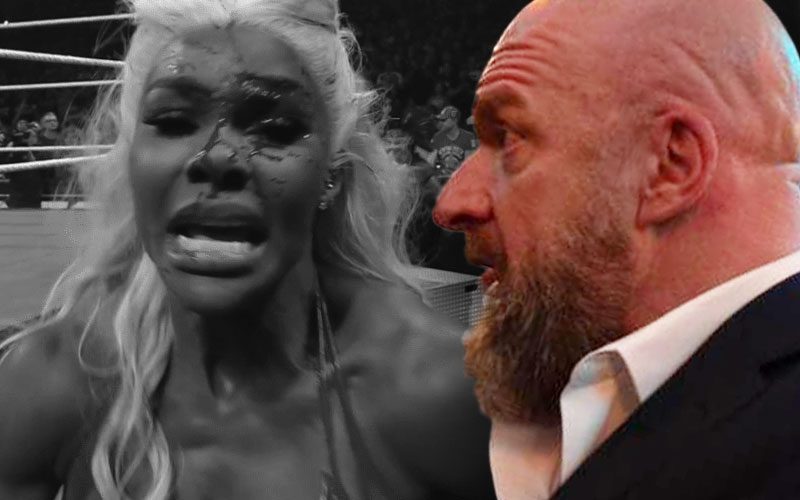
Jade Cargill sustained an undisclosed injury during a recent WWE production that forced an immediate halt to filming. Sources confirmed that Paul Levesque intervened directly, commanding the production crew to kill the camera feeds the moment the severity of the situation became apparent.
This is a deviation from the standard practice of capturing candid behind-the-scenes footage for social media or documentary purposes. The directive highlights an attempt to maintain talent privacy while managing a high-profile health incident away from the public gaze.
The lack of clarity on the timeline
As of June 25, 2026, WWE officials have not released a formal medical update regarding the nature of the injury or the projected return date. Information regarding the specific physical damage remains internal, leaving fans and analysts to speculate on the impact to upcoming programming.
History provides cautionary tales for this type of radio silence. When performers of Cargill’s status exit active competition suddenly, the absence of a clear return window often signals potential surgery or a lengthy rehabilitation process. The lack of transparency suggests the injury may be more substantial than a standard minor strain.
Strategic damage to the women's division
Cargill has been a focal point of WWE’s push into mainstream branding since her arrival. Any extended absence disrupts established creative plans, particularly as the company seeks to build momentum through the summer months without the benefit of a premium live event on the immediate horizon.
The current setup relies on a rotation of talent to keep viewership stable, but losing a physical marvel like Cargill removes a key component of that rotation. The creative team now faces a scramble to pivot storylines mid-stream. This creates a ripple effect where secondary talent must be elevated prematurely, often leading to rushed booking decisions that fail to resonate with audiences.
Historical context and past precedents
WWE has historically managed high-profile injuries with varying levels of disclosure. During the peak of the Triple H management tenure, the focus has trended toward protecting the character's status while keeping medical details as private as possible under the guidelines of recent reports on the incident. Past performers who dealt with similar abrupt exits often saw their television visibility plummet during recovery.
The reliance on surprise returns can occasionally mask a lack of long-term planning. While protecting the performers is the priority, the tactical silence often leaves the viewing audience disconnected from the emotional arc of their favorite stars. WWE needs a contingency plan that does not involve stalling momentum for weeks at a time.
Critical observations on production management
The decision to cut cameras is standard procedure in a professional setting, but the surrounding lack of information invites skepticism. When a company positions a performer as a central entity, the absence of regular updates creates a vacuum that rumors quickly fill. Professional wrestling thrives on engagement, and ghosting the audience regarding injury status is a poor strategy for long-term retention.
If the injury required an intervention from the head of creative, the physical trauma likely involved significant visible distress. Management appears to be prioritizing the optics of the situation over providing a clear professional update. Fans are left waiting for clarity while storylines lose their intended impact. Success in 2026 requires better communication protocols to manage audience expectations during recovery windows.