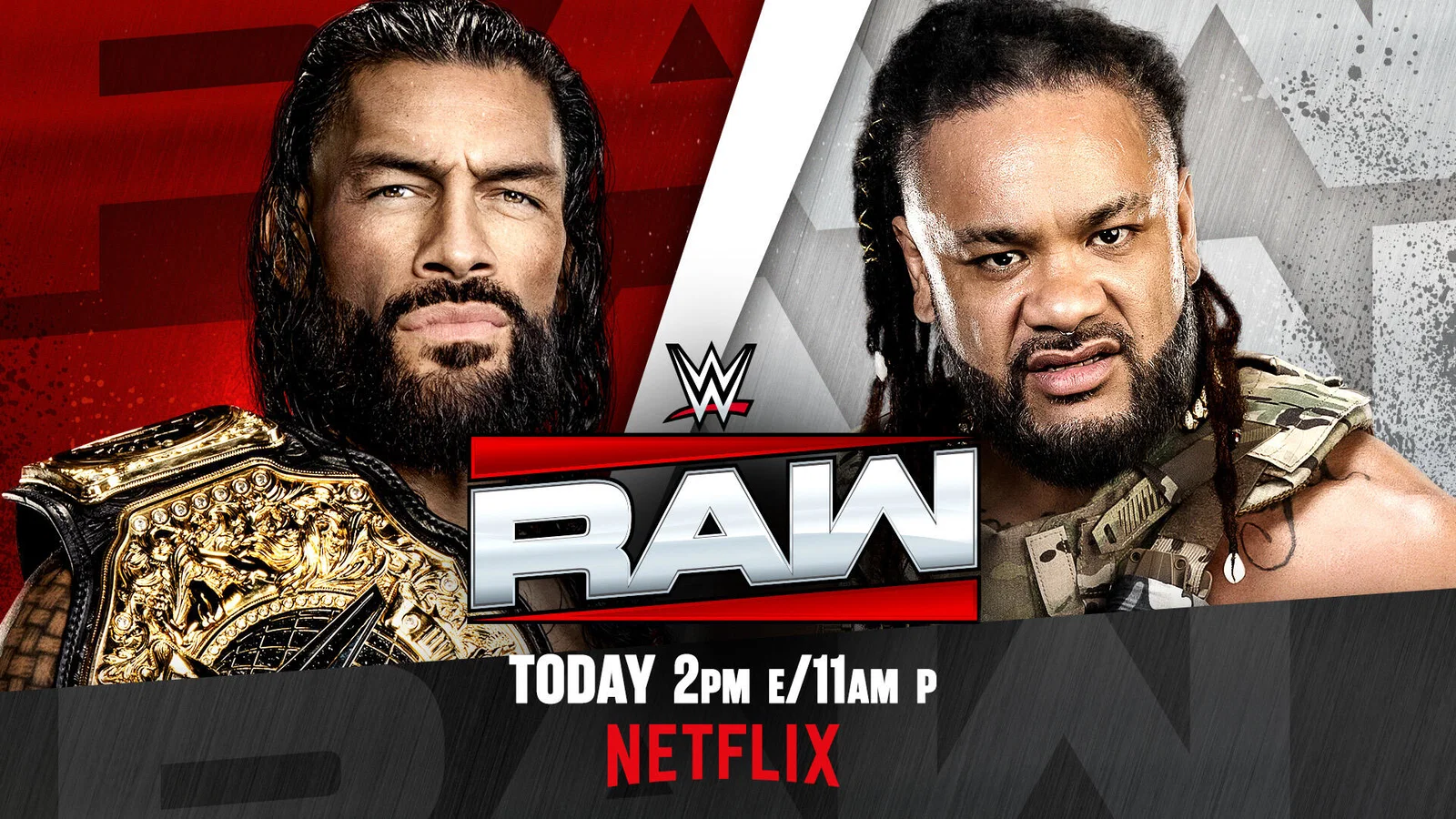
The charisma war arrives in the Bloodline
For two years, the industry has been obsessed with the Bloodline's internal hierarchy. We tracked the shift from Roman Reigns as the untouchable Head of the Table to his current iteration as the Original Tribal Chief. Yet, the real constraint on the narrative's resolution has never been the internal family logic. It has been the shifting volatility of the crowd's vocal investment.
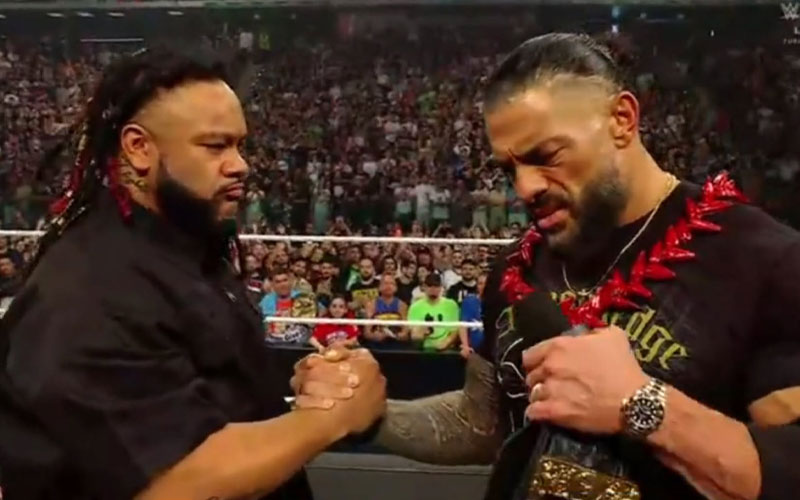
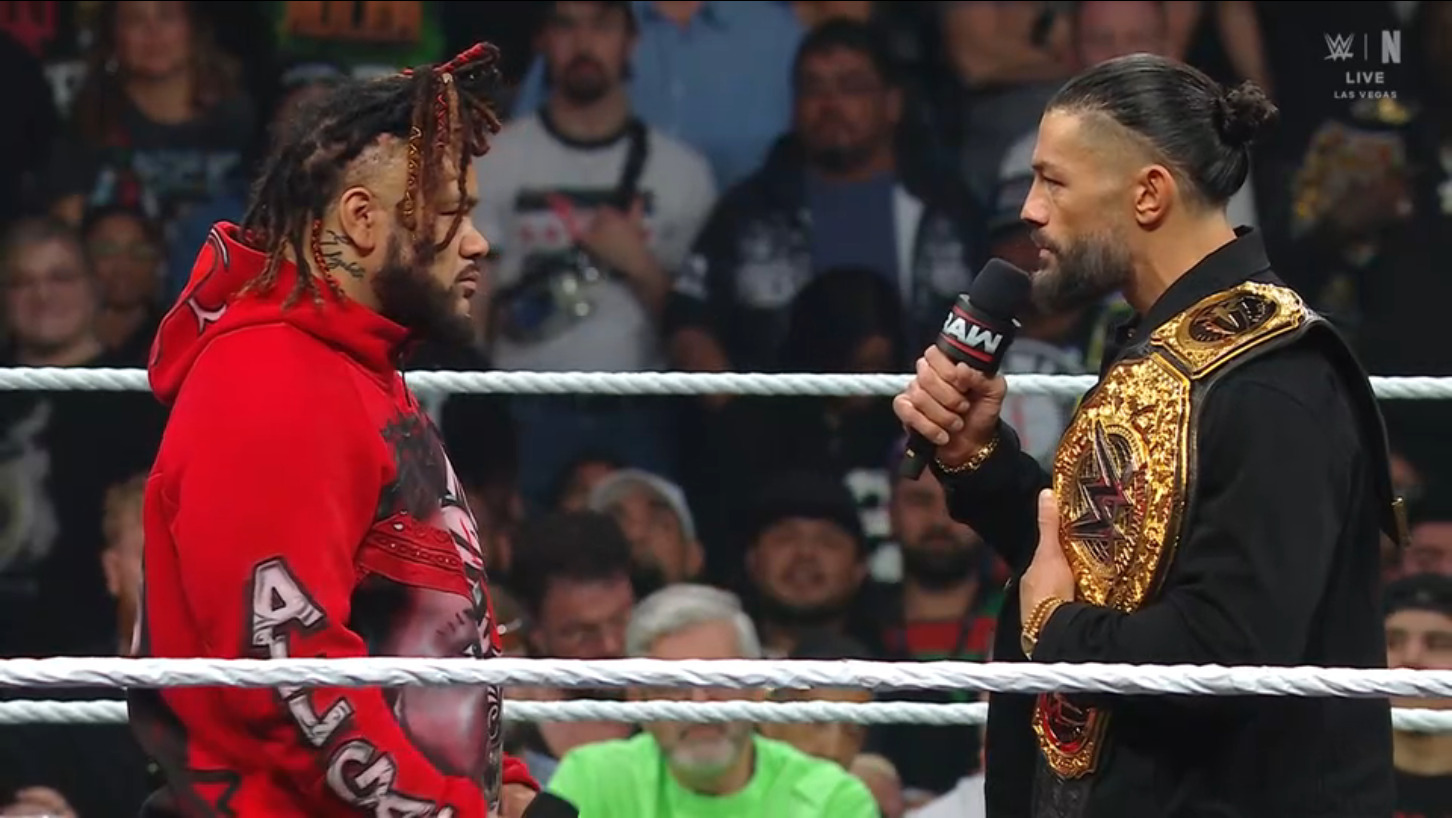
On the May 11 episode of Raw, a significant statistical anomaly occurred during the post-Backlash fallout. For the first time in 14 months, the live crowd initiated "Fatu!" chants before the established "OTC!" (Original Tribal Chief) cadence. This isn't just a minor preference. It represents a fundamental break in how the audience perceives the current power dynamic.
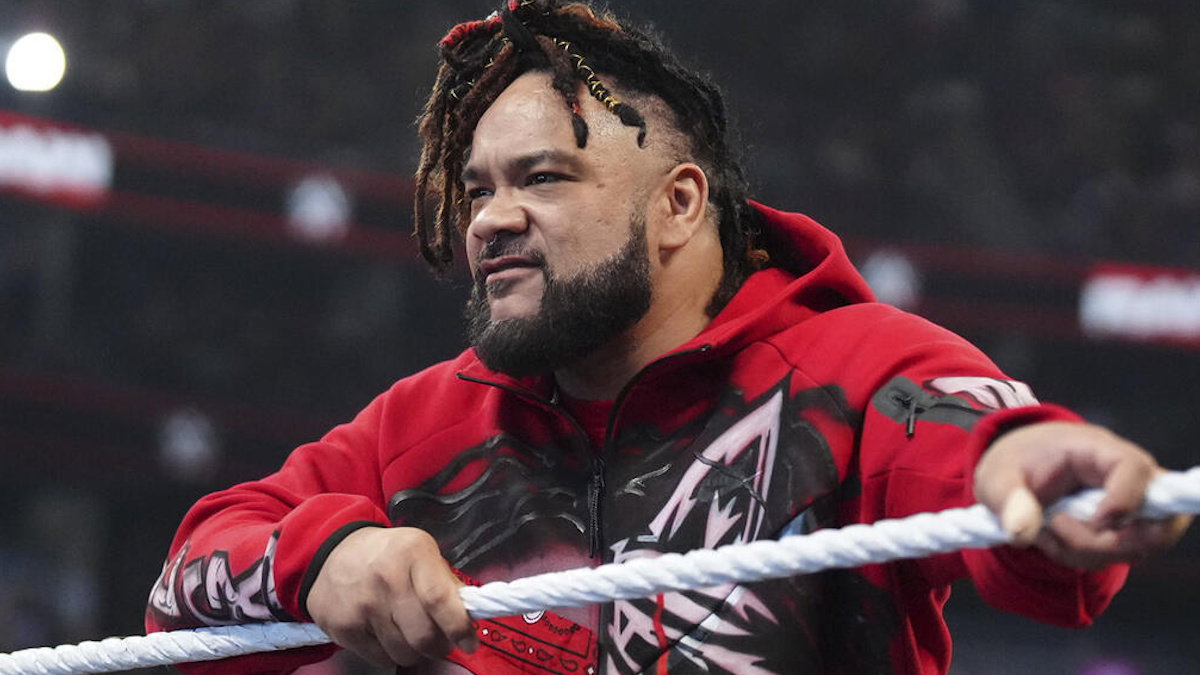
As PWTorch’s detailed fallout analysis noted in their 105-minute breakdown, the Jacob Fatu-Roman Reigns interaction is beginning to illustrate a classic problem in long-form wrestling storytelling. When a secondary antagonist exhibits a higher ceiling for violence and unpredictable movement, the primary protagonist's quest for redemption starts to look sluggish by comparison. Fatu isn't just a heavy; he is a disruptor of the narrative's rhythm.
The 41-year evolution of the television spectacle
To understand why a 105-minute podcast is necessary to dissect a single segment, we have to look back at the historical data. May 11 is a date steeped in transitional moments. It has been exactly 41 years since Saturday Night's Main Event premiered on NBC in 1985. That show was the prototype for the modern Raw structure: fast-paced, personality-driven, and designed to bridge the gap between niche sports and mass entertainment.
The data from Article 3 shows that May 11 is also the anniversary of Steve Austin's final appearance in WCW back in 1995. That was 31 years ago today. Austin's exit from a stagnant system paved the way for the most significant ratings surge in history. Today, the Bloodline is the dominant ratings driver, but the Fatu-Reigns tension suggests the system might be reaching another point of saturation. If the crowd is more interested in the new threat than the old king's return, the ROI on Roman's long-term storyline begins to diminish.
Further complicating the historical perspective is the 13-year anniversary of Kenta Kobashi's retirement in 2013. Kobashi was the gold standard for late-career physical storytelling. Roman Reigns is attempting a similar arc, relying on facial expressions and presence rather than high-impact moves. However, when paired with Jacob Fatu—who moves like a man half his weight—the contrast in physical urgency becomes a liability for the elder statesman.
The indie extremes: From pure wrestling to pocket bees
While the WWE machine grinds through its multi-year epics, the independent scene is operating on a different set of metrics. The live report from Wrestling Open in Cranston, Rhode Island, highlights a model built on volume and variety. The card featured everything from Mortar vs Bobby Orlando to a high-stakes encounter between TJ Crawford and Brad Cashew. This is wrestling as a high-frequency trading floor; the goal is to see which styles generate the highest immediate return.
A logistical failure in JCW
At the other end of the spectrum is Juggalo Championship Wrestling (JCW). In Episode 81 of JCW Lunacy, the finish of Beekeeper Mike vs The Green Phantom involved the release of live "pocket bees" into the crowd. This is a statistical outlier in the worst possible way. From a risk management perspective, the decision to introduce live insects into an indoor venue is a move that prioritizes a fleeting viral moment over the basic safety of the paying audience.
It is a critical failure of duty of care. While indie wrestling often thrives on the "anything can happen" mantra, there is a line between creative violence and genuine negligence. A bee release doesn't add to the match's workrate or narrative depth; it is a desperate attempt to compensate for a lack of genuine engagement. It’s the kind of decision that makes the 83-minute discussion on entrance music in PWTorch’s "Worse or Better" series seem incredibly grounded.
Measuring the sonic impact
The PWTorch Dailycast spent over an hour debating the metrics of entrance music. It sounds like a trivial topic, but entrance music is the first data point an audience receives. It sets the baseline for the entire segment. In the current Bloodline era, the slow, orchestral theme for Roman Reigns is designed to build anticipation. However, the data suggests that in the post-Backlash environment, the sudden, high-energy cues for Fatu are triggering a more visceral response.
The "Fatu!" chants occurring before the "OTC!" chants indicate the audience is no longer waiting for the narrative to catch up to them; they are actively choosing a new protagonist for the violence they want to see.
We are seeing a divergence between the scripted story and the organic audience reaction. In 1985, the SNME premiere was about consolidating a vision. In 2026, the challenge is managing a vision that is being pulled apart by the sheer talent of its supporting cast. When the secondary stars are out-performing the leads in terms of raw noise, the data says you have a problem you can't just book your way out of.
The burden of the 105-minute breakdown
The fact that we are currently consuming 188 minutes of high-level podcast analysis (105 for Raw, 83 for music) just to keep up with one week of wrestling production is staggering. It suggests a level of narrative density that is both a strength and a weakness. The Bloodline story is the most successful experiment in industrial wrestling history, but it is also the most expensive in terms of audience time investment.
The "Fatu!" chant is the first warning sign. If Jacob Fatu continues to dominate the vocal metrics, the WWE will be forced to accelerate Roman's timeline. You cannot have the Original Tribal Chief standing in the shadow of a man who was supposed to be his enforcer. The numbers don't lie: the gap between the two is closing faster than the booking team expected. This isn't just about family loyalty anymore. It's about who owns the air in the building.
Whether it is the disciplined workrate at Wrestling Open or the bizarre stunts in JCW, the goal remains the same: capturing the most precious resource in the industry—attention. Right now, Jacob Fatu is stealing it by the handful, and Roman Reigns is the one who will eventually have to pay the bill.
Read Next
- Jacob Fatu just ended the Roman Reigns era with a single superkick
- Jacob Fatu destroyed Roman Reigns and the internet is still recovering
- Roman Reigns faces extensive medical absence after Jacob Fatu's RAW attack
- Roman Reigns' Future In Doubt After Brutal Attack By Jacob Fatu
- 👑 Roman Reigns Return 2026 — The Tribal Chief