Gabe Kidd's AEW trajectory and the NJPW crossover effect
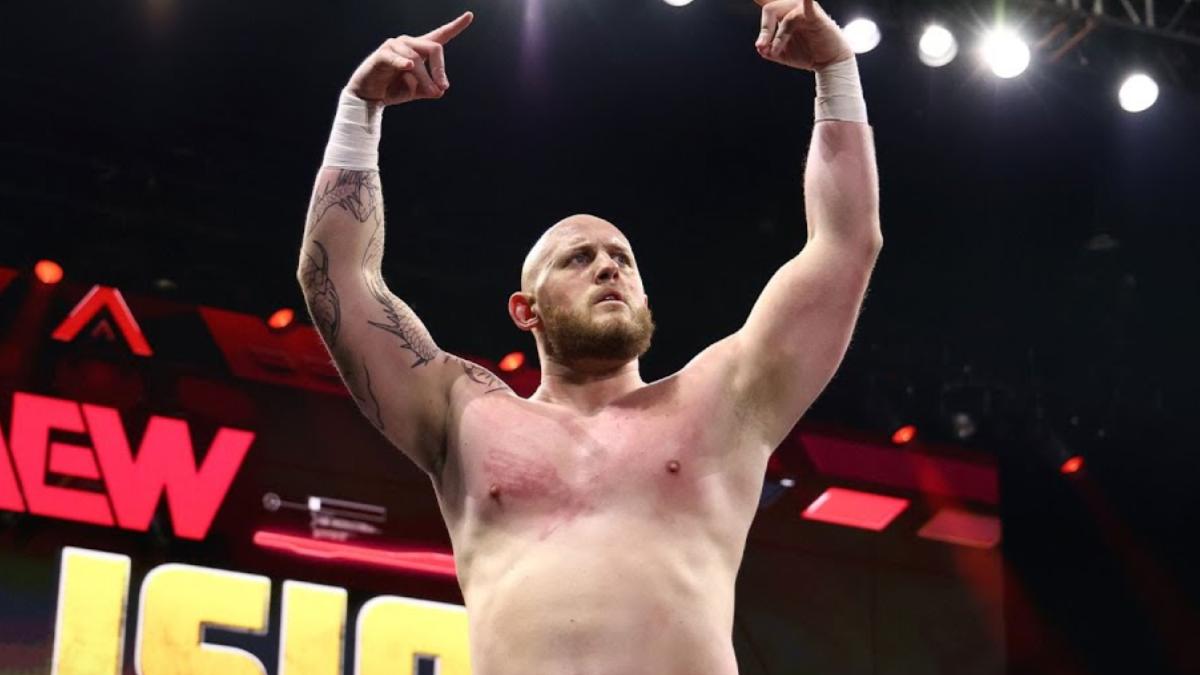
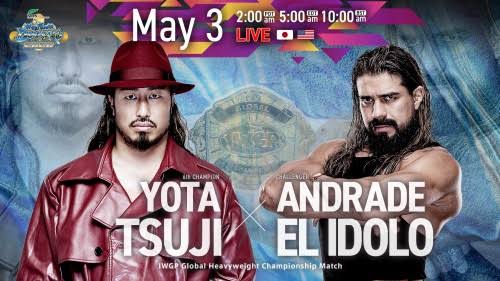
The landscape of professional wrestling talent acquisition shifted this week with Gabe Kidd confirmed for an IWGP Global Championship challenge at Wrestling Dontaku. While WrestleTalk reported Kidd's official AEW signing, his immediate return to New Japan Pro Wrestling suggests a dual-brand integration strategy. This move mirrors previous talent excursions but carries higher stakes given his current momentum.
Kidd has spent months building a reputation for high-impact, chaotic bouts. He excels in bouts requiring sustained physical intensity, specifically through his use of aggressive striking and opportunistic pinning combinations. If his performance at Dontaku mimics his recent form, AEW gains a reliable upper-midcard act capable of brutalizing opponents in both television and pay-per-view slots.
Creative implications for NJPW
NJPW is currently preparing for their mid-year push, with Wrestling Dontaku 2026 lineups now finalized. Utilizing AEW contracted talent like Kidd on these shows stabilizes their marquee events as they transition toward the G1 Climax 36 schedule. The promotion needs household names to fill the calendar, and Kidd occupies a bridge between the two rosters.
However, the reliance on external talent presents a significant bottleneck for NJPW homegrown stars. By focusing on established AEW names during major tournament cycles, the promotion risks stalling the progression of younger Japanese competitors. Kidd's success effectively underscores this point: he is a fantastic performer, but his presence in championship matches limits the available oxygen for up-and-coming talent in the Dojo system.
Probability and impact
The probability of this crossover remaining consistent throughout the year is high. AEW has shown a preference for this talent-sharing model, and NJPW's announcement to kick off the G1 in Chicago demonstrates a willingness to prioritize North American markets. Expect this partnership to deepen as the calendar turns toward mid-2026.
If the deal continues to function as intended, the impact will be felt in the quality of the mid-card title pictures. Fans will likely see an increase in specialty matches that blend NJPW’s technical rigor with AEW’s high-speed pacing. Kidd’s upcoming title challenge at Dontaku will serve as the litmus test for how seamless this transition can truly be under a full-time contract.
Strategic considerations for 2026
Kidd is not the only wrestler operating across these borders, but he is the most visible example of this current recruitment cycle. His ability to maintain a consistent character arc on both independent platforms and major televised programs is rare. The biggest concern remains the toll on the athlete's physical health given the overlapping tournament commitments.
The scheduling complexity increases significantly by April 09 as the NJPW circuit ramps up. If injury occurs, both promotions face a void in their creative direction. While the benefits of cross-pollinated rosters are immediate in terms of spectacle, the long-term sustainability of wrestlers working under this dual pressure remains a point of skepticism for many observers.
Ultimately, the move demonstrates a tactical shift. Promotions are no longer hoarding talent; they are managing it as a global asset. If Kidd walks out of Dontaku with the belt, it will cement this model as the standard for 2026. If he fails, the argument for keeping talent exclusive will certainly pick up steam within both front offices.