The Minor League Myth
It is wild that we are sitting here in May 2026, and people are still arguing about the semantics of WWE's roster hierarchy. We are staring down the barrel of a massive summer of sports and entertainment. The Champions League final is nine days away, and everyone in our bubble is hyper-focused on AEW Double or Nothing happening in exactly five days.
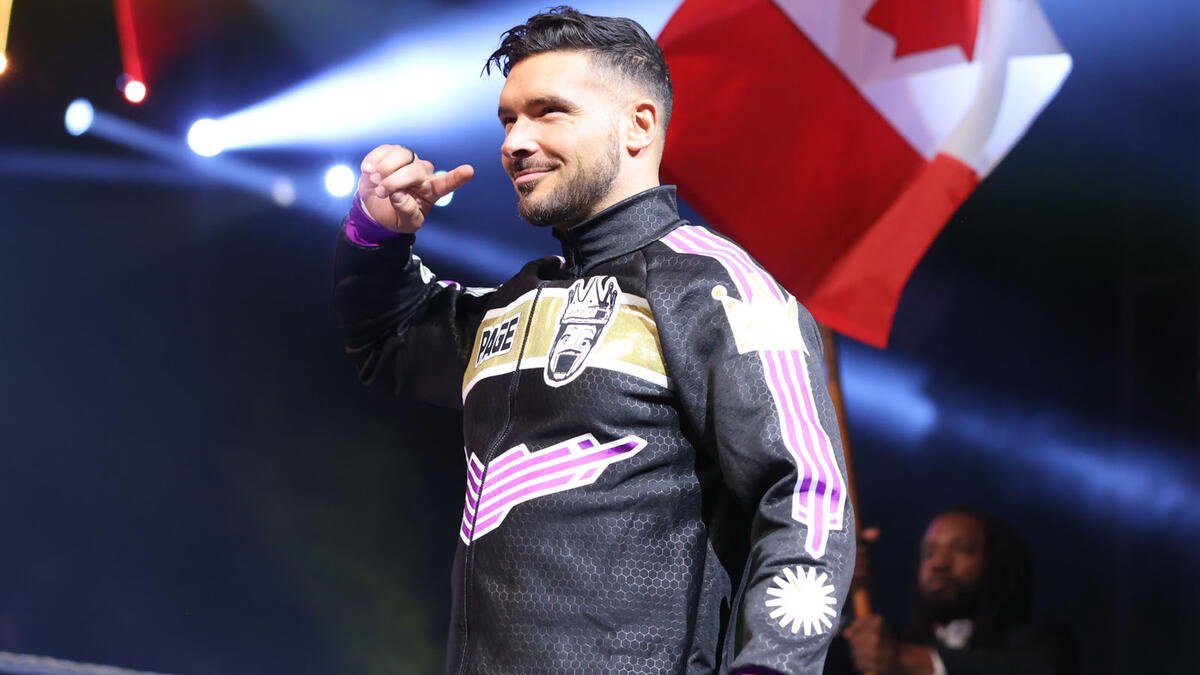
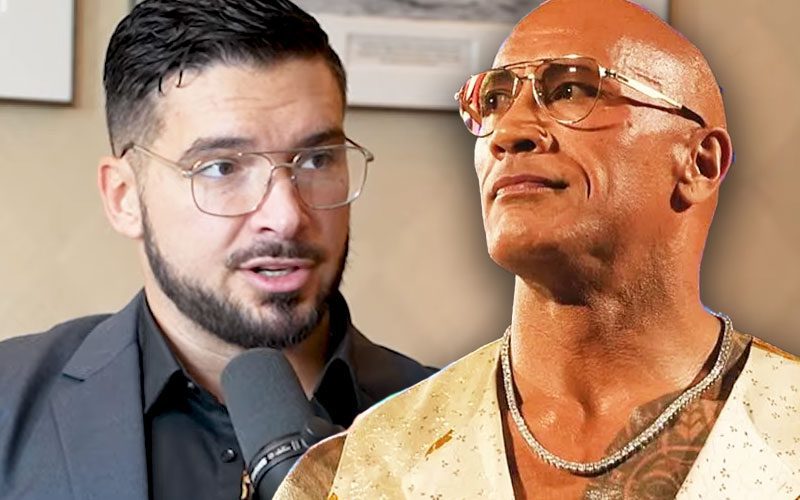
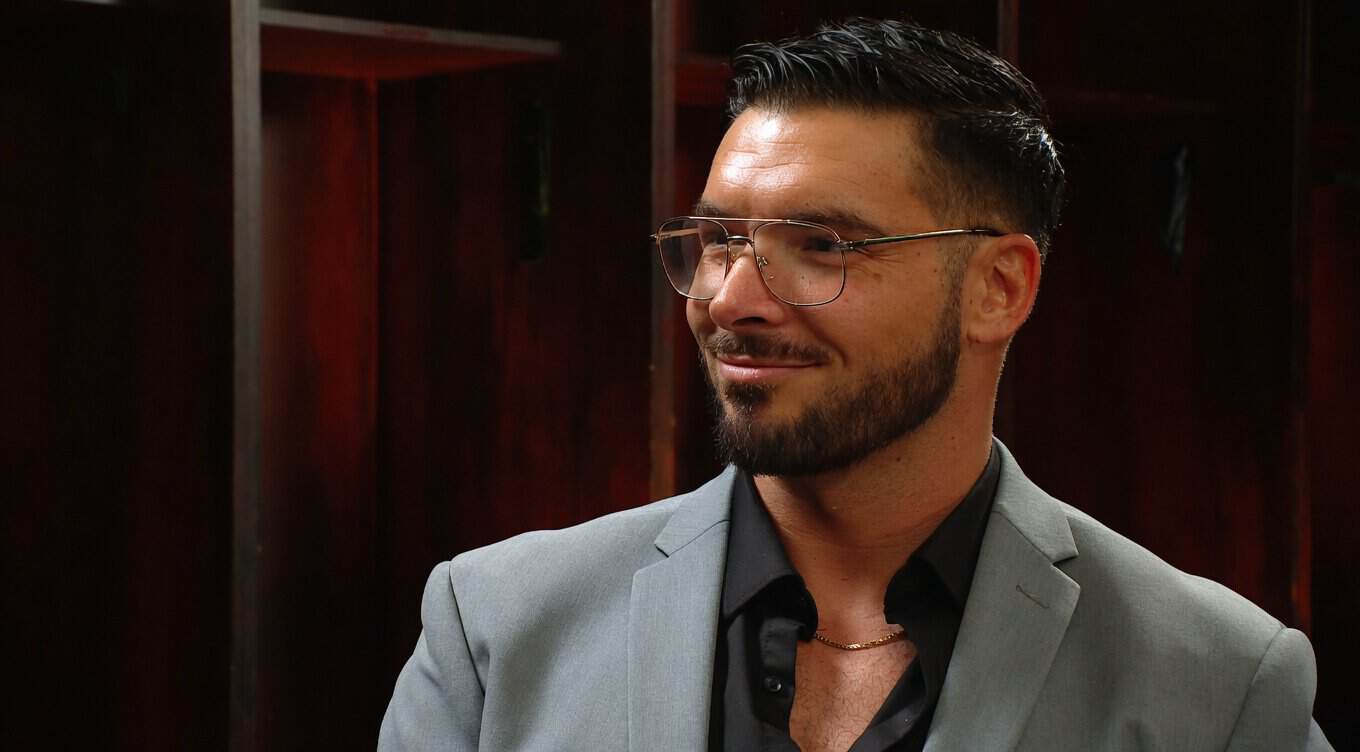
But right now, the most interesting conversation in the wrestling industry is being driven by Ethan Page. He recently dropped a massive truth bomb about how fans and media talk about WWE’s brands.
Page stated on the record that he absolutely despises the terms "NXT call-up" and "main roster." He offered a much better way to frame his career movement.
"NXT was the jersey that I wore, I've just been traded."
Honestly, the guy is spot on. It is officially time we retire this toxic, minor-league terminology. We need to start treating these shows like what they actually are: distinct television franchises operating under a massive corporate umbrella.
The Insult of a Graduation
Let's be brutally honest about who Ethan Page actually is. He is not some fresh-faced amateur who just learned how to lace up a pair of boots at the Performance Center. He is not a former college gymnast trying to figure out how to hit the ropes without tearing an ACL.
He is a 15-year veteran of the professional wrestling industry. He bled in freezing armories for independent promotions. He spent years tagging with Josh Alexander in Impact Wrestling, proving he was one of the best tag team workers on the planet.
He navigated the chaotic, unpredictable backstage politics of AEW, working compelling programs alongside guys like Scorpio Sky and Ricky Starks. When a guy with that kind of resume shows up on your television screen, calling him a "developmental talent" is flat-out insulting.
He did not need to learn how to work a television camera. He already knew how to construct a main-event-level promo. He just needed someone to point out which locker room was his down in Orlando.
The term "call-up" implies a graduation. It implies you were toiling away in the minor leagues, riding awful buses in Double-A baseball, desperately hoping the manager finally notices your batting average. That makes zero sense if you are a veteran who has wrestled on pay-per-view in front of 15,000 people.
The Ghost of Vince McMahon's Booking
We cannot really blame the fans for this ingrained behavior, though. We did not invent the "main roster" hierarchy out of thin air. For fifteen long years, WWE actively conditioned us to view NXT as the kids' table at Thanksgiving.
Vince McMahon famously treated anyone drafted from the Black and Gold brand like a complete nuisance. He booked them like guys who owed him money. If you got over in Orlando, it was almost a guarantee that you were going to be humiliated on Monday Night Raw.
Remember when they brought up EC3? The guy was built like a Greek god and could talk people into a building. McMahon stripped him of his ability to speak and literally had him stare at a blank wall holding a red Solo cup.
Remember Karrion Kross losing his undefeated streak in exactly two minutes to Jeff Hardy? He showed up wearing a Spirit Halloween gladiator helmet that instantly killed his entire aura. Or how about the Ascension being brought up just to be buried by retired legends on their first night?
The corporate messaging from Stamford was crystal clear for a decade. Nothing you did down in Florida actually mattered. Your title reigns were fake, your five-star matches were just practice, and you were a minor leaguer until you walked down that massive ramp on Mondays or Fridays.
The TKO Reality Check
Paul Levesque has spent the last few years desperately trying to scrub that damage from the company’s DNA. The current iterations of Raw and SmackDown are littered with guys who treat their NXT lineage like a sacred badge of honor.
Look at how Carmelo Hayes and Trick Williams are presented on television. Look at how Ilja Dragunov carries himself in the ring. They are presented as absolute killers who forged their legitimate legacy in Orlando.
But the vocabulary of the wrestling internet has not caught up with the reality of the television product. Fans still track "call-ups" during the annual draft like they are watching the NFL Scouting Combine. They still view moving shows as a promotion rather than a lateral move.
Page's analogy of being "traded" makes infinitely more sense for the modern era. NXT is airing in prime time on a major television network. It tours across the country. They run premium live events in massive arenas, not just in the cozy confines of a Florida soundstage.
When someone moves from Raw to SmackDown, we do not call it a promotion. When someone moves from NXT to SmackDown, it should be treated exactly the same way. You are just swapping a black and gold jersey for a blue one.
Treating Wrestling Like Real Sports
This is exactly how actual American sports operate. If the Miami Heat trade Jimmy Butler to the New York Knicks, he doesn't get called up to the "main roster." He just plays his home games in a different building. He is still in the NBA.
Wrestlers in NXT are still in WWE. They are collecting WWE paychecks, working WWE production styles, and performing for WWE audiences on national television.
The concept of a "main roster" inherently implies that NXT is a side quest. But look at the actual television ratings and the massive revenue generated by their network deals. NXT is a foundational pillar of the TKO portfolio.
Veterans like Finn Balor, Becky Lynch, and Seth Rollins have all taken trips down to NXT over the last few years to work angles and pop ratings. Were they demoted? No. They were making a strategic, high-level move to tell a different story and boost a television property.
The Valid Criticism of NXT
Now, let's be entirely fair and offer some real criticism here, because WWE absolutely wants to have its cake and eat it too. The reason the "developmental" label still sticks to NXT is because Shawn Michaels is booking a show with a massive identity crisis.
Not everyone on Tuesday nights is an Ethan Page or a Giulia. The brand absolutely still serves a gritty, raw developmental purpose for young athletes. And sometimes, it is brutal to watch.
When you tune in and watch a 20-year-old former track star botch a springboard arm drag on live television, you are visibly watching developmental wrestling. There is a glaring, uncomfortable difference between veterans tearing the house down and rookies struggling to remember their spots in the middle of the ring.
WWE wants the prestige of a third national brand, but they also desperately need a safe sandbox for NIL athletes who have never taken a back body drop. That awkward balancing act is exactly why fans default to the "call up" language.
You cannot expect the audience to treat a show like the absolute big leagues when a solid portion of the roster is clearly still reading from the instruction manual. That identity crisis is on WWE management to fix.
Tony Khan's Missed Opportunity
It is also impossible to ignore the context of where Page came from. AEW Double or Nothing is happening in Las Vegas this weekend, and Tony Khan's company has its own distinct philosophy. In AEW, if you are on television, you are treated as a main roster talent, period.
Sometimes that leads to incredibly green wrestlers getting completely exposed on live television. But it also means they avoid this weird minor league stigma that plagues WWE's third brand.
Page left a company where he was severely underutilized, walked straight into WWE’s supposed third brand, and proved he was a massive main event draw. His immediate success is a direct indictment of AEW's booking of him.
It also perfectly exposes the flaw in WWE's terminology. Page didn't drop down a level to learn how to wrestle. He just finally found a booker who actually understood how to use him properly.
Fixing the Draft Presentation
The WWE draft needs to reflect this reality permanently. When Nick Aldis or Adam Pearce negotiate with Ava on television, it should be framed strictly as general managers executing high-stakes trades between equal brands.
WWE commentary needs to hammer this home relentlessly. Michael Cole and Corey Graves should be talking about "acquisitions," "free-agent signings," and "blockbuster trades." They need to ban the word "graduates" from the broadcast booth completely.
If a talent is ready to leave Orlando, frame it like a major sports transaction. Make it feel like a massive deal, not a cheesy graduation ceremony for a college senior.
Even with Paul Levesque running the ship, the transition process is still fundamentally flawed. We still get these awkward, disjointed debuts where a red-hot NXT act shows up on Raw and the crowd just sits on their hands because the presentation inherently strips them of their momentum.
If the Chicago Bears draft a star quarterback, they treat him like the savior of the franchise. WWE drafts Cameron Grimes or Tyler Bate and sticks them in a catering storyline for six months. It is absolutely maddening.
The Final Word
Ethan Page has always been one of the smartest minds in the business. He understands the psychology of professional wrestling better than almost anyone sitting in the locker room today.
By publicly rejecting the "call up" label, he is doing two very important things. First, he is protecting his own personal brand and demanding respect for the thousands of bumps he took before ever signing a WWE contract.
Second, he is actively elevating the entire NXT brand. He is forcing the audience to respect the product they are watching on Tuesday nights.
He didn't get called up. He didn't graduate from wrestling high school. He just put on a different jersey. The sooner fans, pundits, and WWE management adopt that exact mindset, the better the entire industry will be.