The executive eyes a comeback
Eric Bischoff is making noise again. After years of operating from the sidelines, the former WCW mastermind is back in the news cycle, systematically addressing his history with TNA and publicly defending modern main-eventers like Chris Jericho. This renewed advocacy isn't accidental. Sources close to the situation suggest this is a calculated effort to increase his visibility ahead of a proposed consultancy role.
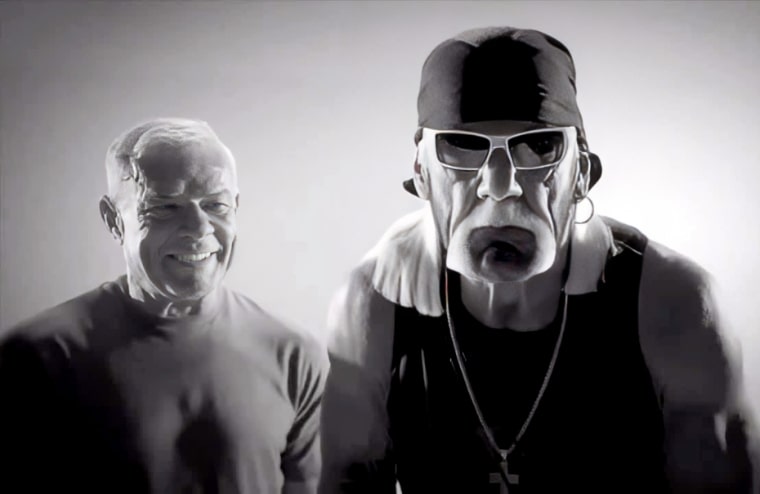
We are seeing the classic Bischoff pivot. He spent the last week actively refuting the narrative that he and Hulk Hogan were responsible for the decline of TNA during their 2010 run, as noted by recent reporting from WrestlingNews. By controlling the conversation regarding his past, he is attempting to clear the path for a future project.
Why the timing aligns
Bischoff needs a platform to validate his relevance to modern executives who might view his previous stints with skepticism. His recent commentary on fan behavior—specifically his defense of veteran talent against social-media-driven criticism—positions him as a traditionalist authority figure. He is positioning himself as the antithesis to the metrics-obsessed fan culture that Sami Callihan recently took to task, as reported by Ringside News.
Bringing Bischoff on board would provide a promotion with a brand personality capable of generating headlines before a single bell rings. Modern creative teams are often criticized for lacking a singular, sharp promotional voice. Bischoff offers exactly that, despite the baggage of his later-year creative decisions in Florida. He understands the mechanics of the industry better than any consultant currently on the market, even if his track record for long-term sustainability is checkered.
The creative disconnect
The biggest hurdle to a full-time return remains his inability to connect with the current generation of talent. His public defense of certain stars in the face of what he calls twisted social media narratives, highlighted by recent coverage, shows where his loyalties lie. He favors established names over the modern, fast-paced workrate style seen in promotions like Stardom, which is currently undergoing its own internal procedural shifts.
If a promotion signs him to a consultancy deal, they are buying a lightning rod for controversy. His presence will alienate the hardcore audience that values workrate over character development. However, his presence attracts the casual viewer who remembers the Monday Night Wars era. It is a trade-off that executives are weighing heavily as we reach the mid-year point of 2026.
Probability and outlook
The likelihood of a deal is moderate. He isn't cheap for a short-term consultant, and his recent activity suggests he is testing the waters to see if his podcast engagement can translate into real-world booking power. He does not need the money, which gives him the leverage to say no unless the creative control is significant.
His expected debut would be a quick-hit appearance, likely a three-month residency as a general manager or a special consultant for a high-profile pay-per-view cycle. He brings gravity. He brings a megaphone. He also brings a specific, rigid philosophy of wrestling that may clash with modern locker rooms. If a promotion is struggling with their ratings, they might just decide that the baggage is worth the short-term spike.
Expectations for his arrival should be tempered. He will not arrive to build a new company from scratch. He will arrive to provide a quick, loud infusion of personality to fix a sagging middle-card creative direction. Whether that leads to success is far less certain than the noise he will make upon arrival. He knows how to grab attention, which is 50 percent of the battle in the current television climate.
One critical observation: Bischoff’s insistence that social media misrepresents the current fan temperature ignores the reality of the 2026 viewer. The fans who pay for tickets and merchandise have shifted expectations. Refusing to acknowledge the legitimacy of fan criticism—even when it is overly harsh—risks repeating the same disconnect that plagued his final years in the business. He needs to evolve, or he will simply be a relic attempting to hold back the tide of a market that has moved on without him.