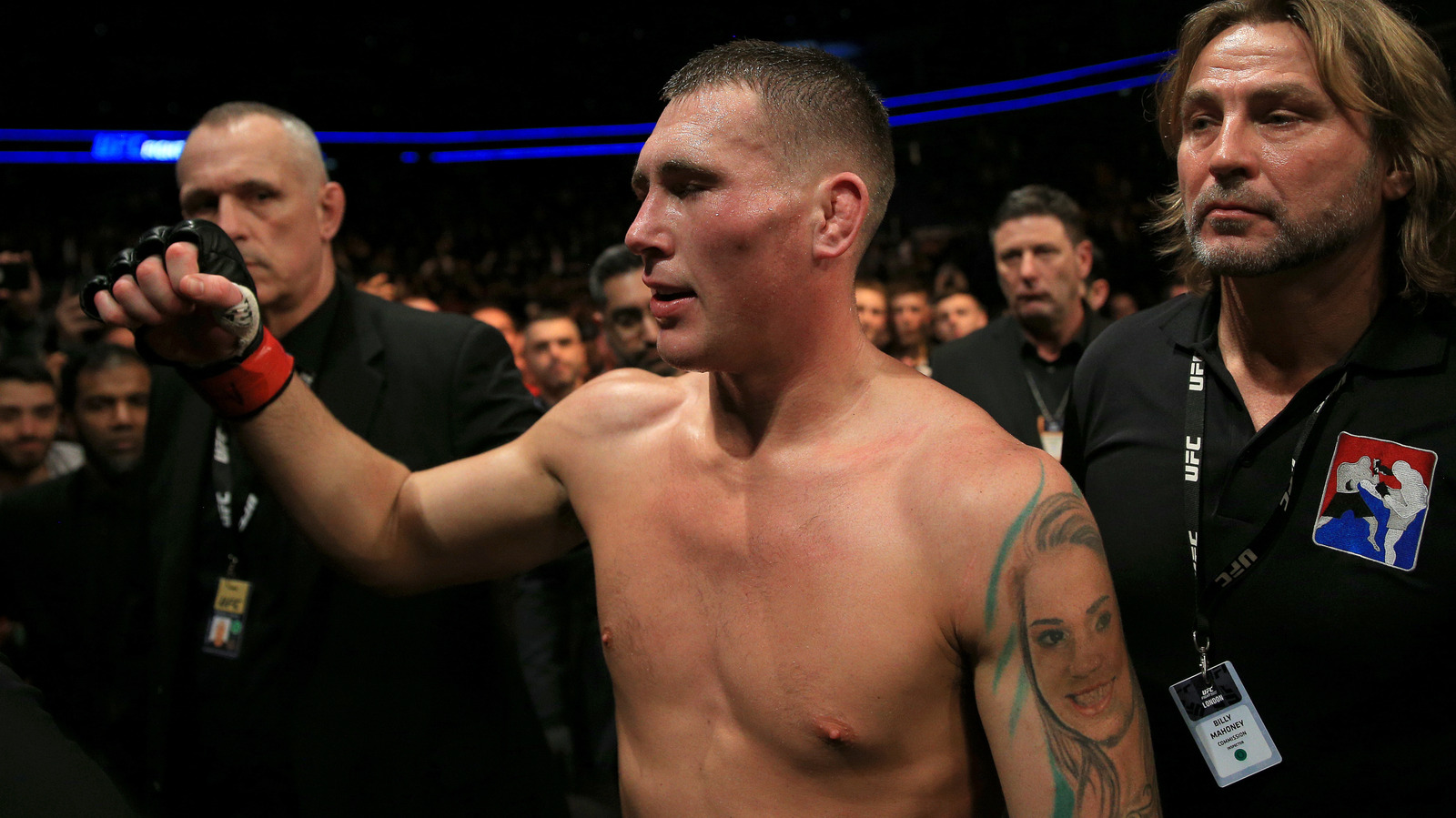
Geopolitical instability derails Dubai combat card
Darren Till confirmed this week that his return to the ring has been shelved. The former UFC welterweight standout was set to compete in Dubai, but the event was pulled following the escalation of regional tensions stemming from the ongoing conflict in Iran. The cancellation removes a high-profile fixture from the spring calendar that had been gaining traction behind the scenes.
Till, whose career has been defined by his aggressive striking in the UFC’s 170-pound division, has struggled to find consistent momentum since leaving the promotion. This latest development adds another layer of uncertainty to a career already hampered by a string of soft-tissue setbacks and medical delays. The Dubai card was intended to be a foundational step toward rebuilding his name value.
The ripple effect on promotion scheduling
Regional instability forcing card cancellations is a recurring headache for MMA promotions expanding into the Middle East. While the region offers significant financial backing and visibility, the proximity to political hotspots remains a logistical gamble. When promoters secure financing for matches in countries neighboring volatile zones, they often ignore the potential for rapid closure of airspace or security-based venue restrictions.
Promoters typically favor these venues for the tax incentives and the capacity to host sold-out crowds, but the trade-off is the risk of last-minute disruption. Till’s situation isn't an isolated case. History shows that fighters often spend months in specialized camps only for bureaucratic or defensive shifts to render the training cycle moot. This incident highlights the fragility of global combat sports ventures when organizers prioritize market penetration over regional stability.
Career trajectory concerns
Darren Till is currently in a critical window. Having transitioned away from the high-octane environment of the UFC, his relevance depends entirely on active competition. Every month he remains sidelined is a month where younger strikers move up the rankings in various boutique organizations. If he cannot secure a fight within the next 90 days, the narrative shifts from a "comeback" to a "stalling career."
The tactical impact of this cancellation is significant. Till had reportedly been focusing on tightening his clinch work and implementing a more defensive-oriented striking game to avoid the head trauma that limited his final UFC years. Without a live opponent to test these adjustments, any progress made in the gym remains theoretical. Coaches prefer consistent fight nights to refine technique; long layoff periods usually result in ring rust and over-compensating movement patterns.
Evaluating the damage
The loss of this fight is not merely an inconvenience, but a blow to the athlete’s earning potential. Fighters at this weight class rely on recurring paydays to cover the cost of elite nutritionists and sparring partners. When a card evaporates due to outside politics, the expense of training camp — often costing tens of thousands — remains on the athlete’s balance sheet. Till now faces the reality of seeking a new promotion or waiting for the dust to settle in Dubai, neither of which is an ideal scenario for a fighter trying to reclaim his spot at the top.
Fans awaiting his return will likely have to shift their sights toward mid-summer. A return at WrestleMania 41, while unlikely given the venue and sport differences, often generates interest in crossover names like Till, but for now, his focus is strictly on finding a new canvas. There is no official word on his next destination, but his management will need to act quickly to avoid another stagnant quarter.
The financial loss for the broadcast partners attached to the Dubai venue will also be high. Advertising inventory for cards featuring name talent like Till is usually secured weeks in advance. The total losses related to this cancellation likely represent a seven-figure valuation hit for the local organizers. While combat sports have survived similar disruptions in the past, investors are increasingly wary of the stability of these international hubs.