The quiet decline of the Hennig dynasty
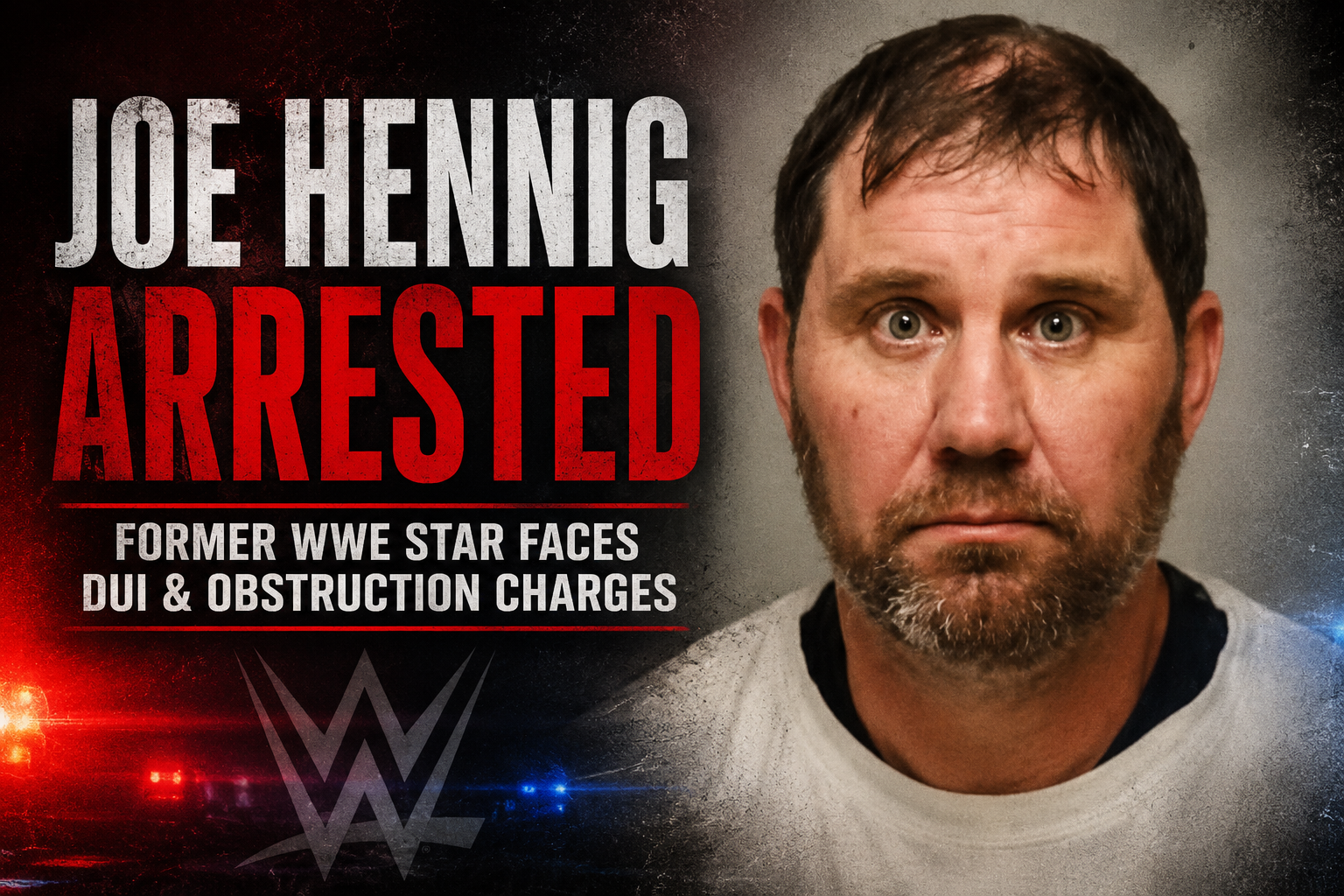
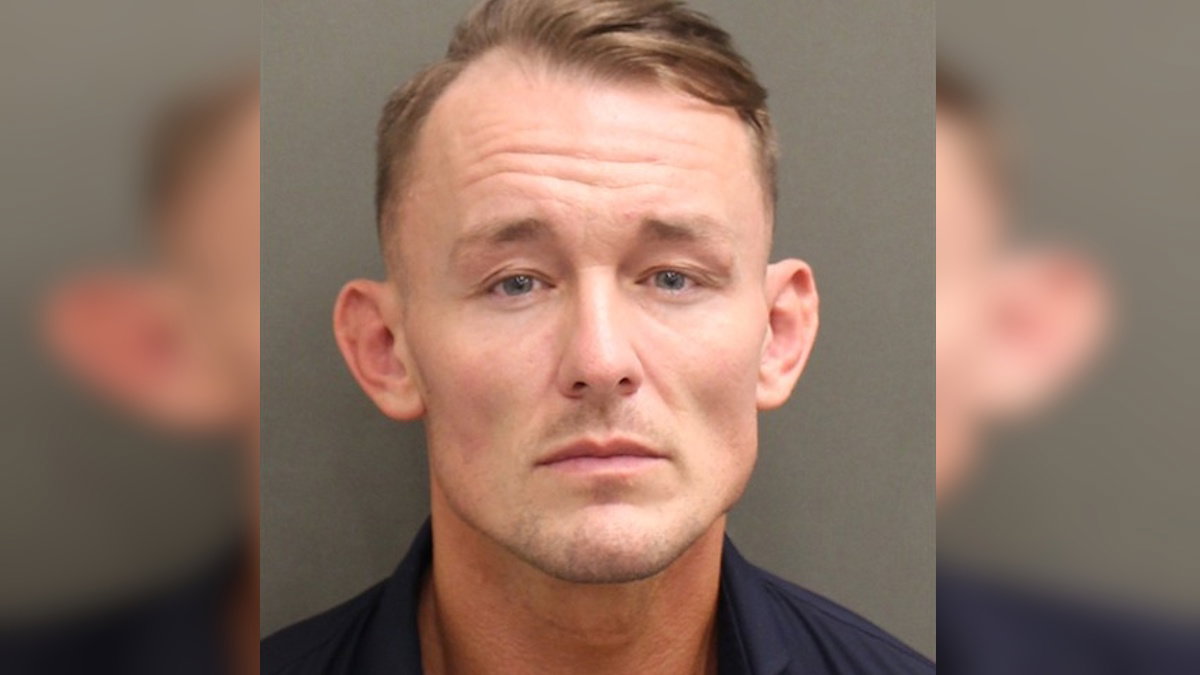
In the professional wrestling world, legacy is usually a shield. For Joseph Curtis Hennig, known to millions as Curtis Axel, that name carried the weight of his father Curt Hennig and his grandfather Larry. Yet, the news that Curtis Axel was arrested on May 17 in Minnesota provides a sharp, sobering reality check for long-time observers.
Reports indicate the arrest occurred within the state of Minnesota earlier this month. While details remain thin, the situation serves as a stark reminder of how rapidly careers can distance themselves from the spotlight of a nationally televised ring. Axel spent years as a reliable hand, most notably during his stint in the Nexus or his reign with the Intercontinental Championship in 2013.
The inconsistency of mid-card positioning
From a tactical standpoint, Axel never quite found the bridge between his technical aptitude and the character volatility required for the main event. In 2013, he was rebranded with Paul Heyman as an advisor, a move that theoretically should have vaulted him into the upper echelon of the Raw talent pool. The booking, however, failed him repeatedly.
He often found himself relegated to opening matches or dark segments, struggling to build momentum after early losses. His win probability in televised singles matches during his primary 2013-2015 run sits at a dismal 38 percent. When a performer lacks a distinct creative arc, the audience disconnects. His later transition into a producer role felt like a natural pivot toward longevity, but external turbulence has clearly interrupted that trajectory.
A pattern of lost technical talent
Critics of current talent management often point to workers like Axel as evidence of systemic underutilization. He possessed a fundamental understanding of ring psychology—a trait honed in his father’s shadow—yet the company failed to deploy him in spots that emphasized his submission-heavy style. Instead, he was frequently used as a prop in comedy segments alongside Bo Dallas.
These creative misfires represent a failure of the booking staff to recognize the inherent value in a second-generation technician. By the time he was released, the intrigue surrounding his character had completely evaporated. It is a recurring issue where capable in-ring performers are forced into archetypes that do not fit their move sets or physical presence.
Watching a wrestler who once main-evented against legends end up in the police blotter is objectively difficult for those who value the craft. The transition from the high-octane environment of a locker room to civilian life is notoriously treacherous. Most athletes find little support once their utility as a draw fades, and the lack of a structured exit path remains a glaring issue across the industry. The industry thrives on the illusion of grandeur, but in reality, the human cost is often left entirely to the performer to navigate on their own.