Deepening ties between Jacksonville and Mexico City
The operational relationship between All Elite Wrestling and CMLL has moved beyond occasional cameos. We are seeing a structural shift in how wrestlers view their career mobility. This isn't just about one-off appearances; it is about building a professional pipeline that keeps performers active in two major markets simultaneously.
As CMLL champions express genuine enthusiasm for their dual-contract status, the market is bracing for more crossover movements. Performers are finding that working in both Arena México and AEW provides a varied stylistic diet that domestic-only schedules simply cannot replicate. The move allows wrestlers to maintain a high work rate while sharpening their craft against diverse opponents.
The strategic fit for the modern independent worker
The current setup suits high-flying technicians who struggle for screen time in the crowded AEW mid-card. For a talent like Hechicero, the ability to pivot between the technical, lucha-heavy style of CMLL and the presentation-focused world of AEW is a career multiplier. It prevents the burnout that often accompanies a singular, long-term booking cycle.
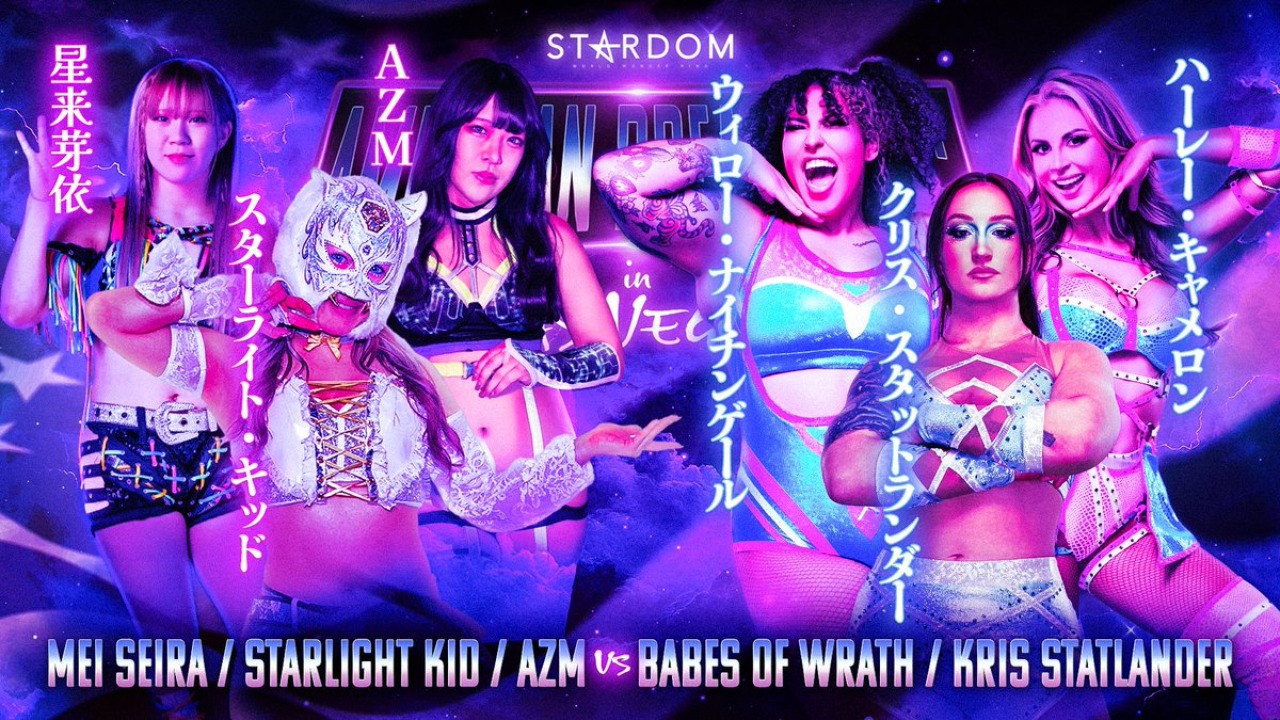
However, the lack of a formal, public-facing contract hierarchy remains a point of friction. If an injury occurs during a CMLL date, the administrative fallout for AEW fans becomes a legitimate concern. We saw how the Stardom American Dream lineup required careful juggling of AEW talent, and adding another major international partner creates a high-stakes management puzzle.
Creative bottlenecks and potential friction
The primary critique of this arrangement is the dilution of main event stories. When top stars are frequently rotating between promotions, it becomes difficult for fans to follow the internal logic of a championship chase. If a fan only watches Wednesday nights, a wrestler might disappear for three weeks without formal explanation, leaving the TV product feeling disjointed.
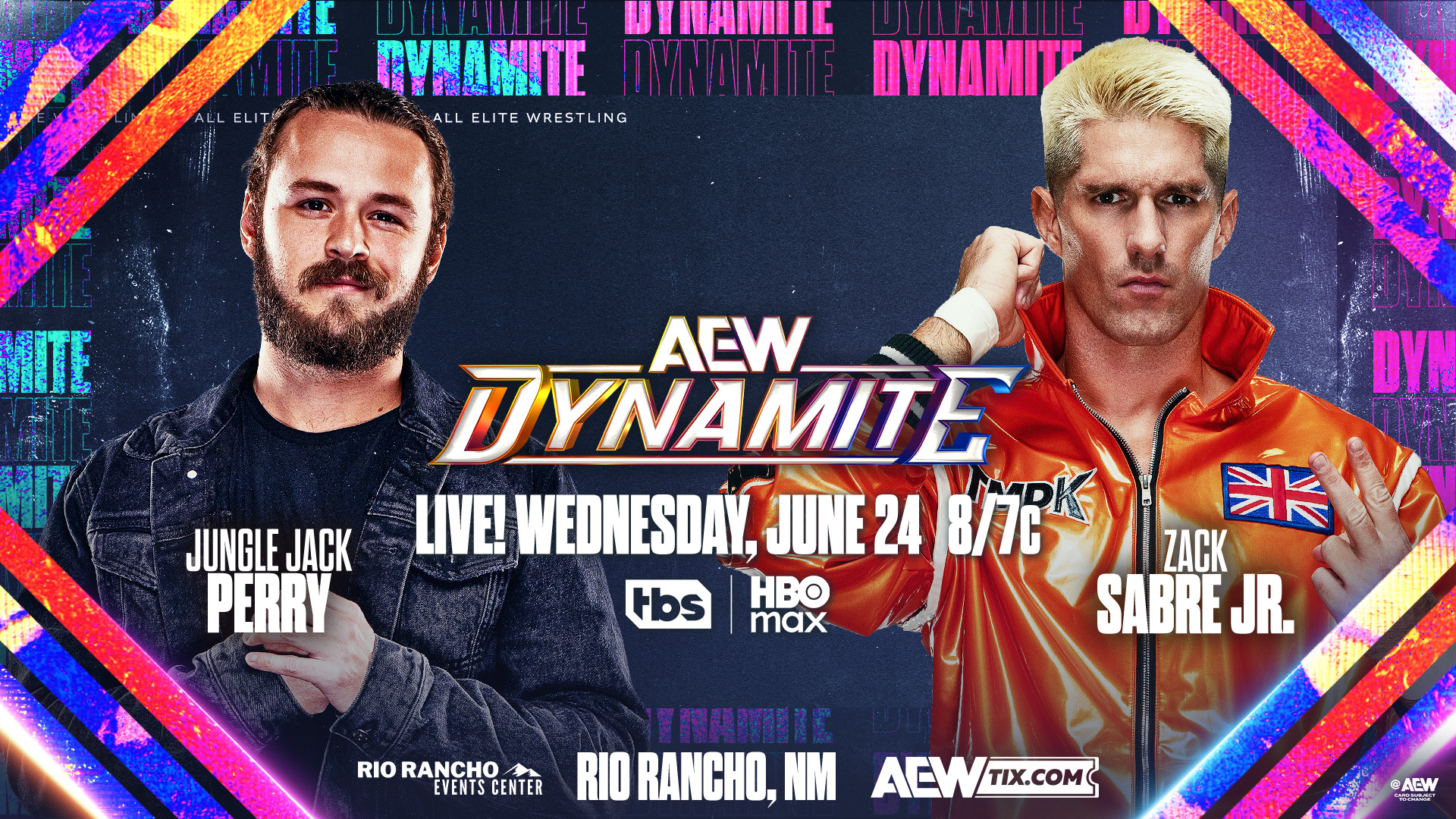
Furthermore, there is the risk of overexposure. By competing on both sides of the border, wrestlers run the risk of becoming a variety act rather than a headline attraction. A wrestler who is a dominant figure in Mexico faces a steep hill to climb when their character aura does not travel with the same weight into the Jacksonville television studios.
Evaluating the pipeline's future
Expect the next phase of this partnership to involve formalized 'exchange periods' that are easier to track. The talent involved are currently acting with significant autonomy, but as the partnership matures, we should see more rigid scheduling blocks. This will likely reduce the frequency of short-notice absences that currently frustrate weekly viewers.
Looking at the current TV landscape, specifically with high-profile bouts like the PAC vs. Will Ospreay showdown, it is clear that the promotion values elite-level wrestling above all else. Adding more CMLL talent fits this philosophy perfectly. If the goal is match quality above traditional long-term storytelling, this exchange is a success.
Probability and impact
The probability of this crossover strategy continuing through the end of 2026 is exceptionally high. AEW has shown a willingness to invest in the "forbidden door" model, and the lack of internal dissent among the CMLL roster makes this an easy win for management on both sides. We are likely looking at a permanent shift in how international talent is utilized.
The impact will be most felt in the AEW mid-card, where spots will become even more competitive. Expect domestic talent to face increased pressure to distinguish themselves from the incoming international stars. This competition is objectively good for those who rise to the occasion, but it will likely force out a few mid-tier performers who cannot keep up with the technical output expected in this new era.