The Hard Metrics of Cody's In-Ring Workload
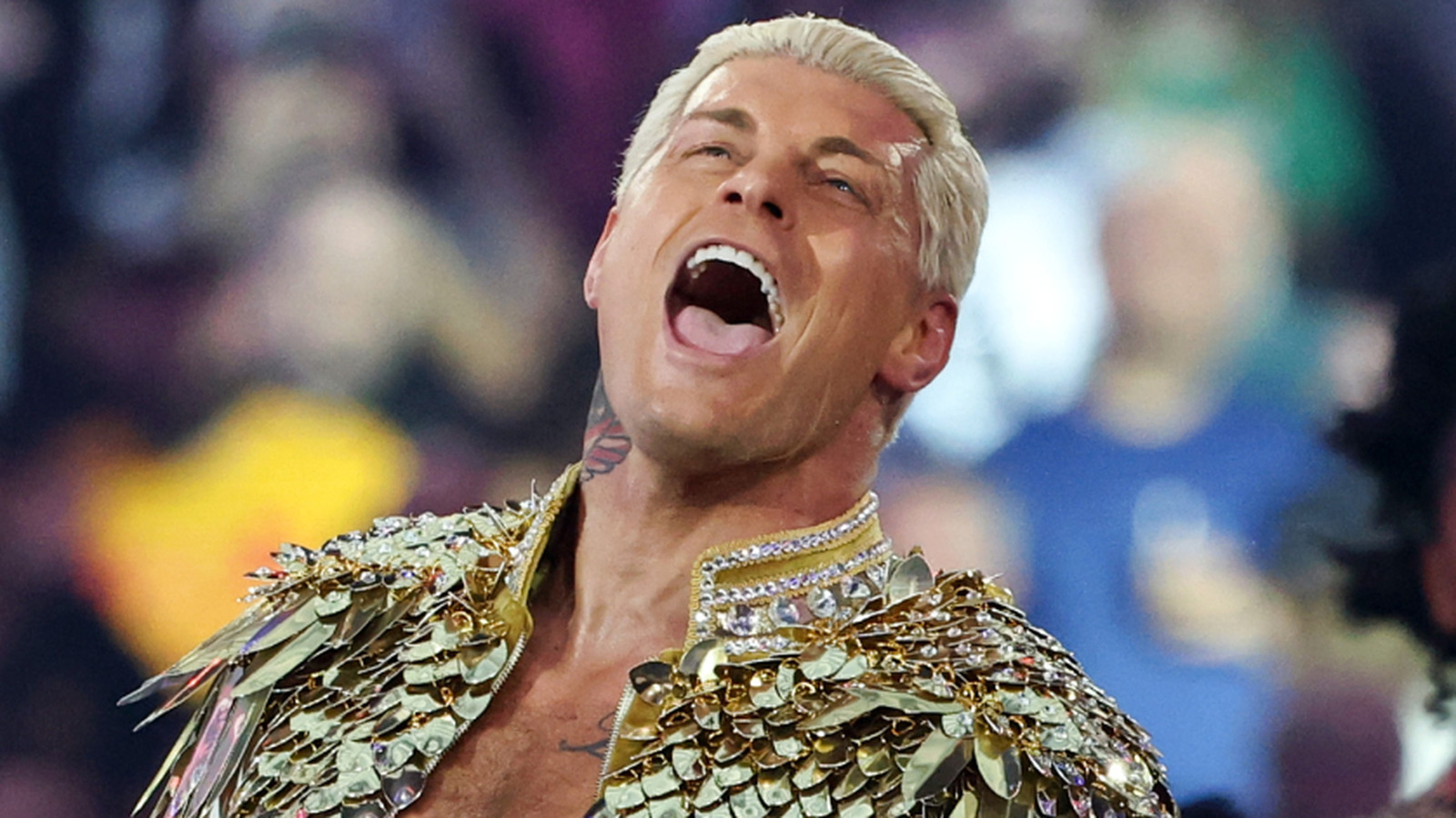
Pro wrestling is a game of physical depreciation, and Cody Rhodes is currently burning through his remaining capital at a rate that is mathematically unsustainable. While Roman Reigns has preserved his career longevity by transitioning to a highly restricted, part-time schedule, Rhodes is actively rejecting that model. In 2024, Rhodes logged 101 matches across television, premium live events, and international tours.
This is not the schedule of a veteran winding down, but that of a workhorse champion trying to carry the company on his back. Speaking on The Ariel Helwani Show, Rhodes explicitly rejected the idea of scaling back his weekly commitments. "Right now, I just don't think of it that way. ... I don't think too much about a limited schedule," Rhodes said, as Wrestling Inc reported.
This approach stands in direct opposition to how WWE has historically managed its aging top-tier assets. The promotion has frequently transitioned its biggest draws to limited appearances, protecting their bodies from routine wear. For comparison, Roman Reigns' schedule during his historic championship run saw him wrestle fewer than 60 matches annually, eventually dropping to under 20 matches a year.
This scarcity protected Reigns' body while elevating the importance of his rare matches. Rhodes is taking the opposite path, exposing himself to the daily hazards of the road. At age 41, this work rate is a dangerous gamble against his own career longevity.
The Mechanical Toll of the Rhodes Playbook
An analysis of Rhodes' in-ring movements reveals a style that is physically demanding and structurally punishing. Unlike wrestlers who rely on ground-based grappling or theatrical brawling to fill time, Rhodes' signature sequences require high-velocity impacts. His springboard cutter, the Cody Cutter, is a prime example of this mechanical tax, forcing him to take a blind bump from a height of four feet.
He must propel himself off the middle rope, rotate 180 degrees in mid-air, and land flat on his back, absorbing the impact across his spine and shoulders. The Disaster Kick is another maneuver that exacts a heavy physical toll. Launching himself off the second rope to deliver a heel kick, Rhodes has no way to break his fall cleanly, routinely landing hard on his left hip and thigh on the unyielding canvas.
His title defenses consistently exceed 25 minutes in length, requiring him to take dozens of flat-back bumps per match to build the necessary babyface drama. Over a 100-match calendar year, this equates to roughly 1,000 high-impact landings on his joints, spine, and neck. His defensive patterns also show signs of structural wear, particularly his drop-down throat thrust.
This legacy move, which he inherited from his brother Dustin, requires him to drop violently to both knees on the canvas. The maneuver is designed to counter an opponent's horizontal strike by slipping underneath their line of sight, but it puts immense shear stress on his patellar tendons. Over time, these repeated impacts lead to chronic knee inflammation and reduce his lateral quickness.
We must also point out a growing tactical flaw in his match finishes: his over-reliance on the triple Cross Rhodes sequence. Hitting his finishing maneuver three consecutive times has devalued the move's individual impact, making one Cross Rhodes look like a transition hold rather than a match-ending strike. More importantly, it forces Rhodes to lift and rotate his opponent three separate times in the final minute of a match, compounding the physical strain on his arms and back.
This repetitive motion, performed when both athletes are fatigued, increases the risk of neck compression and shoulder injuries for both competitor and defender. This tactical choice unnecessarily multiplies the physical wear on his body at the end of long bouts, leading to minor injuries that accumulate over the tour. He needs to find a more efficient way to close matches.
The Clock and the QB1 Dilemma
Rhodes is acutely aware that his physical peak has an expiration date. He stated in his interview with Helwani that he is turning 41 in a week. While he feels like he is in the best shape of his athletic career, he does not expect to be wrestling bell-to-bell in ten years, recognizing that his body will eventually demand a transition.
If he signs a new contract, Rhodes speculated that it would likely be a five-year deal. This five-year window creates a clear timeline for WWE's creative department as they plan their long-term main event scene. Rhodes cannot remain the central figure of the promotion indefinitely, especially if he maintains a full-time schedule that accelerates his physical decline.
His retirement timeline is also heavily influenced by his family. He has openly discussed the impact of his daughters, Liberty and Leilani, on his career choices. Brandi Rhodes knows he is addicted to the business, but his daughters are the ultimate boundary, with Rhodes admitting he cannot fool her with fictional end dates.
"Liberty's five and by the time she's 10/11/12, I don't need to be falling down no more; at least not like that."
This family-driven deadline means that WWE has a limited time to identify and build the next franchise star. In professional wrestling, the top spot requires a unique combination of promo ability, merchandise sales, and media viability that few performers possess. When Rhodes steps away from bell-to-bell competition, a massive void will open at the top of the card, demanding a clear succession plan.
There are currently three primary candidates who could succeed Rhodes as the franchise quarterback:
- Gunther: A mechanical marvel whose physical, realistic style minimizes high-risk bumps, preserving his body for a long run at the top. He uses low-risk chops and slams to dominate opponents.
- Bron Breakker: An explosive athlete with the raw speed and power to lead the next generation of WWE headliners. His spear is the most devastating move in the company.
- Carmelo Hayes: A dynamic, high-flying performer who excels in high-stakes matches and appeals to a younger demographic. He has the potential to match Cody's charisma.
The Tactical Shift and the Final Prediction
To survive the next five years as a full-time performer, Rhodes must adapt his in-ring style. He needs to transition away from high-risk springboard maneuvers, replacing the Cody Cutter with submissions like the Figure-Four Leglock. This tactical adjustment can reduce his bump rate by 30% per match and prevent injury.
History suggests that wrestlers who refuse to scale back their schedules are eventually forced to do so by their bodies. The physical toll of the road is undefeated. Rhodes may want to remain a full-time athlete, but the wear on his knees and shoulders will dictate otherwise.
My prediction is clear and grounded in the physical reality of the sport. Rhodes will not make it to age 46 as a full-time wrestler, and by late 2028 his schedule will be reduced to 40 matches a year. Gunther will officially take over as the company's definitive QB1 as Rhodes' full-time run is cut short by physical demands.
Read Next
- How Sami Zayn beat the mathematical odds to win the WWE title
- SmackDown spoilers show why Triple H is falling into a booking trap
- Why Randy Orton will finally turn on Cody Rhodes at SummerSlam
- Why Roman Reigns vs Seth Rollins is the only SummerSlam main event that works
- 🏆 WrestleMania 41 — Full Coverage Hub
- 💥 WWE Backlash 2026 — Full Coverage Hub
- 👑 Roman Reigns Return 2026 — The Tribal Chief