The Expiration Date of a White-Meat Babyface
There is an unwritten rule in professional wrestling that the chase is always better than the reign. We saw it with Daniel Bryan. We saw it with Kofi Kingston when the magic of his title run violently evaporated in eight seconds. And, if we are being brutally honest with ourselves, we were all terrified we were going to see it with Cody Rhodes.
When Cody finished the story in Philadelphia, it was the catharsis of a lifetime. The confetti fell, the tears flowed, and the Bloodline was vanquished in a genuinely spectacular piece of overbooked chaos. But then Monday morning rolled around. The problem with slaying the dragon is that eventually, you have to find another monster. If you don't, the crowd gets bored.
For the better part of two years, Cody has been the unquestioned hero of WWE. He kisses the babies, he gives away the weight belts, he bleeds buckets when the script calls for it. He wears the three-piece suits and speaks with the cadence of a southern politician running for governor. But wrestling fans are a fickle, deeply cynical bunch. Feed them too much sugar, and they start craving something bitter. Enter Randy Orton.
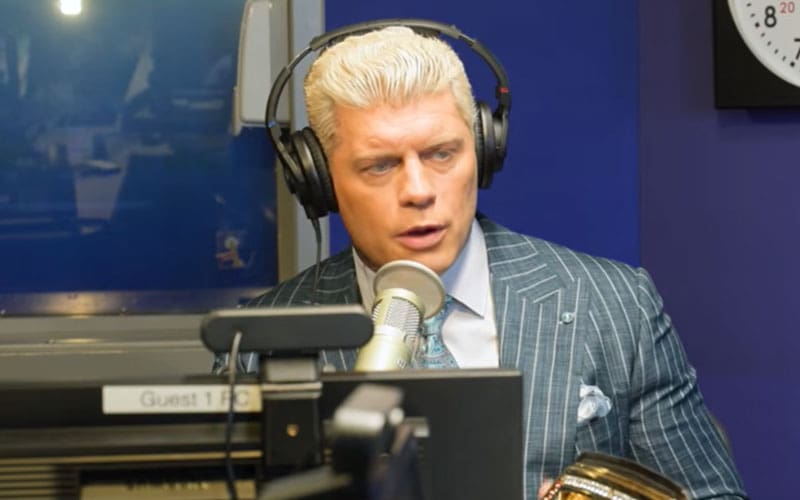
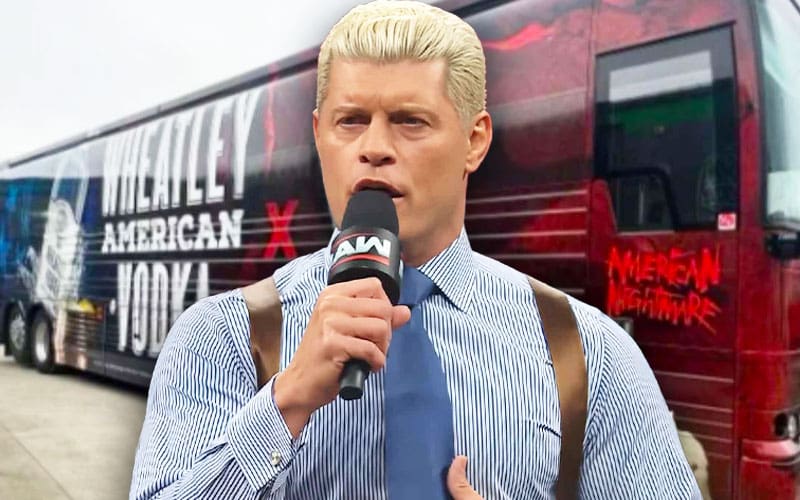
The recent dynamic between Rhodes and Orton has been the most compelling subplot on WWE television. When Cody finally addressed the very audible, very undeniable sections of the fanbase that were cheering for Orton over him, he broke a cardinal rule of modern WWE booking. He didn't ignore it, and he didn't pretend they were just having fun. He faced it head-on.
The Viper Is Teflon
Randy Orton shouldn't be a beloved figure. If you look at his rap sheet over the last two decades, he has punted octogenarians, set things on fire, handcuffed a man to the ropes to kiss his unconscious wife, and betrayed literally every person who has ever trusted him. But professional wrestling operates on its own warped moral compass.
Orton is the ultimate cool tweener. He hits a move out of nowhere, poses on the turnbuckle, and the arena comes unglued. He doesn't have to give long, impassioned monologues about his struggles on the independent circuit. He just has to scowl, drop somebody on their neck, and wait for the pop. He is pure, unadulterated nostalgia wrapped in a completely effortless in-ring style.
So when the crowd started cheering for Orton over the reigning, defending WWE Champion, a lesser performer might have panicked. We have seen the John Cena playbook a million times. When the crowd turns, Cena would just smile wider, lean into the skid, and deliver a promo about how much he loves the audience's passion. It was effective for Cena, but it always felt incredibly manufactured.
Seth Rollins tried a different approach. When fans turned on him in favor of The Fiend, Rollins got defensive on Twitter, argued with fans, and completely derailed his own momentum. Cody, however, is trying something completely different. He is actually acknowledging the friction without losing his cool.
Addressing the Elephant in the Ring
By openly addressing the fans cheering for his former mentor, Cody did the one thing that babyfaces are historically terrible at doing. He told the absolute truth. He didn't brush it off as a minor annoyance or try to talk over the chants. He stopped, he listened, and he leaned into the microphone.
This is where the history between the two men becomes the most valuable currency WWE has right now. We aren't talking about two guys who were randomly thrown together in a draft lottery to fill out a television segment. This goes back to 2008. The Legacy days.
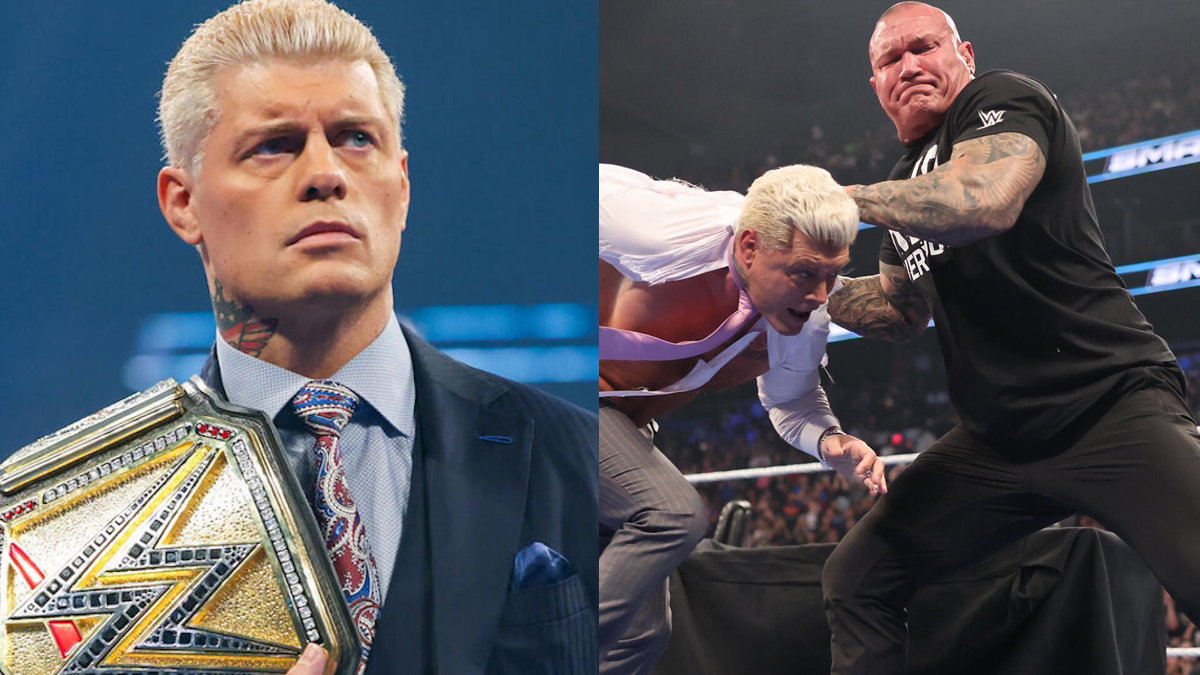
Orton was the tyrannical leader who used Cody and Ted DiBiase Jr. as cannon fodder. He beat them down, manipulated them, and shaped them in his image. Cody survived that completely toxic environment. To see them standing in the same ring now, with the roles completely reversed—Cody as the undisputed face of the company and Orton as the veteran wildcard—is fascinating character work.
When Cody addressed the crowd's reaction, he didn't whine. He pointed out the obvious. Of course they cheer for Randy. Randy is an institution. He has been hitting RKOs since Cody was still wrestling in trunks with no kneepads. But Cody also drew a massive line in the sand. Acknowledging respect is one thing; rolling over and letting a veteran steal your spotlight is another entirely.
The Evolution of a Rivalry
If you want a historical parallel, you don't have to look very far. You just have to look at the faction that birthed Legacy in the first place: Evolution. When Batista finally turned on Triple H, it worked because Batista was the muscle breaking free from the manipulator. The crowd desperately wanted to see the arrogant boss get powerbombed into oblivion.
But the Cody and Randy dynamic is vastly different. Cody didn't destroy Orton to become a star. He left, he grew up, he conquered the independent world, and he came back as an equal. Orton didn't create the American Nightmare; Cody did it himself. That completely shifts the power dynamic in their current interactions.
Orton knows this. You can see it in the way he stalks around the ring during their segments. He isn't looking at a subordinate anymore. He is looking at the top dog. And Orton, by his very nature, hates anyone who occupies the spot he feels he deserves. The fans cheering for Orton aren't just cheering for a cool finisher; they are cheering for the underlying tension. They want to see if the snake will bite.
The Danger of the Cool Heel
The danger here is obvious. History is littered with earnest champions who got completely derailed because they were booked against a guy the crowd just thought was cooler. Roman Reigns dealt with it for years, getting mercilessly booed out of buildings before finally turning heel and becoming the Tribal Chief.
Cody is walking a razor-thin tightrope. With WrestleMania 41 just 20 days away, and a massive defense looming in Las Vegas, the timing of this Orton dynamic is incredibly delicate.
The Bloodline is still the primary antagonist. Roman Reigns is still the final boss of this era of WWE, and that rematch is what the entire year has been built toward. But having Orton lurking on the periphery, siphoning off crowd reactions and splitting the audience, creates massive static. It makes the television product messy, and honestly, messy is exactly what we need right now.
A clean, straightforward build to WrestleMania is fine, but it rarely creates legendary television. The Attitude Era was built on chaotic, overlapping motivations. You need the threat of a third party to keep the protagonist on his toes. If Cody only focuses on Roman, the story feels one-dimensional. Adding Orton to the mix forces Cody to watch his back at all times.
Why the Cheers Actually Help Cody
Let's look at this critically. What is the alternative? Cody spends the next three weeks cutting standard promo after standard promo about how he respects his opponent but he will retain the title? That is how you end up getting completely overshadowed by the undercard.
The friction with Orton gives Cody an edge. It allows him to drop the politician persona for a few minutes and show some real teeth. When the crowd cheers for the Viper, it forces the American Nightmare to remind everyone why he is the one holding the gold.
He isn't just a guy who wears nice suits and cries about his legendary father. He is a ruthless competitor who clawed his way back from the independent scene, rebuilt his entire image, and forced WWE to build the entire global enterprise around him. Sometimes, the audience needs to be violently reminded of that edge. Orton is the absolute perfect catalyst to pull it out of him.
There is also a subtle psychological warfare happening here. By bringing up the cheers, Cody takes away the fans' power to hijack the segment. If the crowd thinks they are rebelling by cheering Orton, Cody kills the rebellion by simply agreeing with them. It is a brilliant piece of promo mechanics.
Looking Ahead to Las Vegas
As we barrel toward Allegiant Stadium, the pieces on the chessboard are moving rapidly. The John Cena farewell tour is sucking up massive amounts of oxygen. The Bloodline drama continues to mutate into new, terrifying forms. Cody simply cannot afford to be the least interesting thing on his own show.
By engaging with the Orton cheers, rather than ignoring them, Cody is keeping himself at the dead center of the conversation. He is proving that he can read the room, adjust on the fly, and turn a potential negative crowd reaction into a compelling television segment.
It also plants a massive, unavoidable seed for the post-WrestleMania season. Whether Cody retains at WrestleMania 41 or not, the unresolved tension with Orton is a main event program waiting to happen. The story practically writes itself. The paranoid mentor who resents the pupil's massive success. The pupil who finally has the power to put the mentor out to pasture.
WWE doesn't need to manufacture drama when the real thing is staring us right in the face. The crowd wants what they want. Cody Rhodes knows exactly what he is doing. He hears the cheers for Randy. He just isn't going to let them dictate the final chapter of his story.
Read Next
- Cody's Golden Bus: A Ride Most Fans Can't Afford
- Cody Rhodes and the heavy burden of being WWE's QB1
- Cody Rhodes and the Volatile Economics of a Fighting Champion
- Cody and Roman are still firing shots and the internet is eating it up
- 🏆 WrestleMania 41 — Full Coverage Hub
- 💥 WWE Backlash 2026 — Full Coverage Hub