The sobering truth behind the cutting room floor
Professional wrestling content creators suffer from a specific disease: the belief that everything they record belongs on a server. Cody Rhodes is the latest star to confirm that he owns a graveyard of lost audio files.
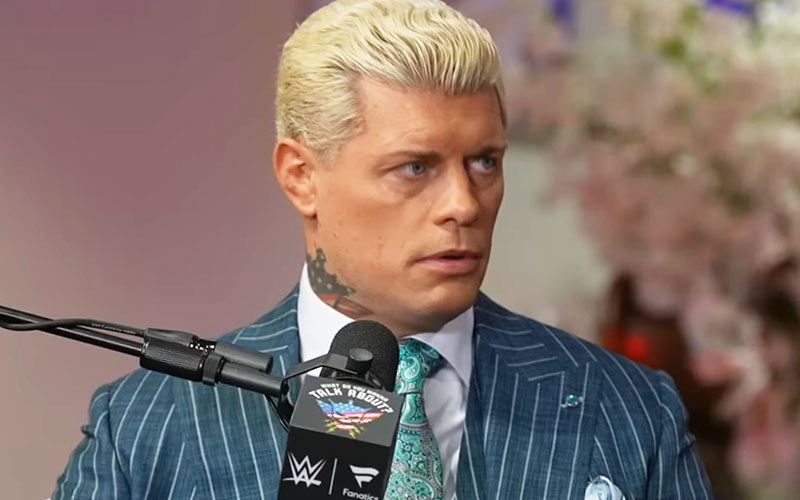
In a recent reveal, Rhodes admitted that several episodes of his WWE-backed podcast never made it to the public airwaves. The culprit wasn't bad audio quality or a lack of guest chemistry. It was simply the bottom of a bottle.
Rhodes noted that when the drinks started flowing, the professional filter vanished. These recordings devolved into incoherent banter that provided zero value for the audience, leading to the executive decision to scrub the files entirely.
The danger of the unedited shoot
We live in an era where everyone with a microphone wants to host a 'shoot' interview. Fans crave the unfiltered, behind-the-curtain dirt, thinking that truth only exists when the talent is three whiskeys deep.
Rhodes managed to avoid the public PR nightmare that usually follows these sessions by acting as his own editor. Most talent in his position would have pushed these episodes live to get the download numbers.
It takes a business-minded performer to recognize when a segment hurts the brand more than it helps. Nobody needs to hear a top-tier champion slur his way through a two-hour breakdown of 1990s mid-card feuds when he’s got a title to defend.
Missing the mark on authentic engagement
This situation highlights the massive gulf between 'real' and 'good' content. Fans often complain about the polished, scripted nature of modern sports entertainment programming, demanding more organic interactions.
However, an drunken, meandering stream of consciousness is the opposite of organic engagement. It is lazy storytelling. The internal decision to delete these segments shows that Cody Rhodes understands the value of his narrative better than his critics.
That said, it leaves me wondering about the missed opportunities. If he could have reined in the consumption and kept the conversation grounded in the industry, we might have seen genuine insights rather than deleted noise. Perfectionists often struggle to find that balance.
Booking a better podcast strategy
As we head toward the WrestleMania 41 weekend, the promotional machine is running at full speed. Podcasts are essentially extended commercials for the main event builds now. If the talent cannot maintain a professional demeanor for an hour, the commercial fails.
Rhodes has successfully avoided a tabloid scandal by keeping the bad tapes off the air. He didn't need to apologize to management because the evidence vanished before anyone else could leak it.
I would bet he isn't the only locker room leader with a folder of 'do not publish' files on his laptop. The real question is how many other stars are hiding similar disasters. Perhaps some things are better left in the trash bin of digital history.
We don't need unfiltered accessibility to feel connected to the performers. We need tight, coherent storytelling that makes the upcoming main events matter. If a beer turns a main-event promo into an incoherent mess at 2:00 AM, burying the file is the smartest move he made all year.
Read Next
- Cody Rhodes podcast saga reveals a shift in corporate control
- Drew McIntyre and the grind of the 40-year-old wrestling veteran
- Cody Rhodes at WrestleMania 41 needs more than just a victory lap
- The Current Kings and Queens of the Microphone in Pro Wrestling
- 🏆 WrestleMania 41 — Full Coverage Hub
- 💥 WWE Backlash 2026 — Full Coverage Hub