The Audio Mismatch
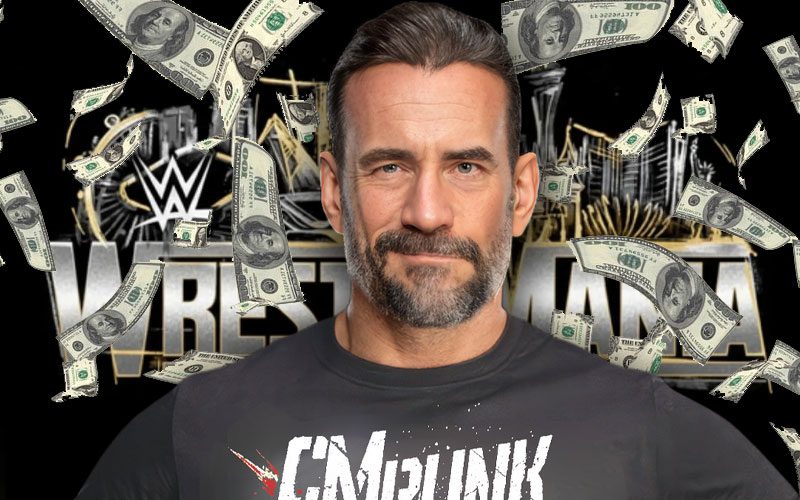
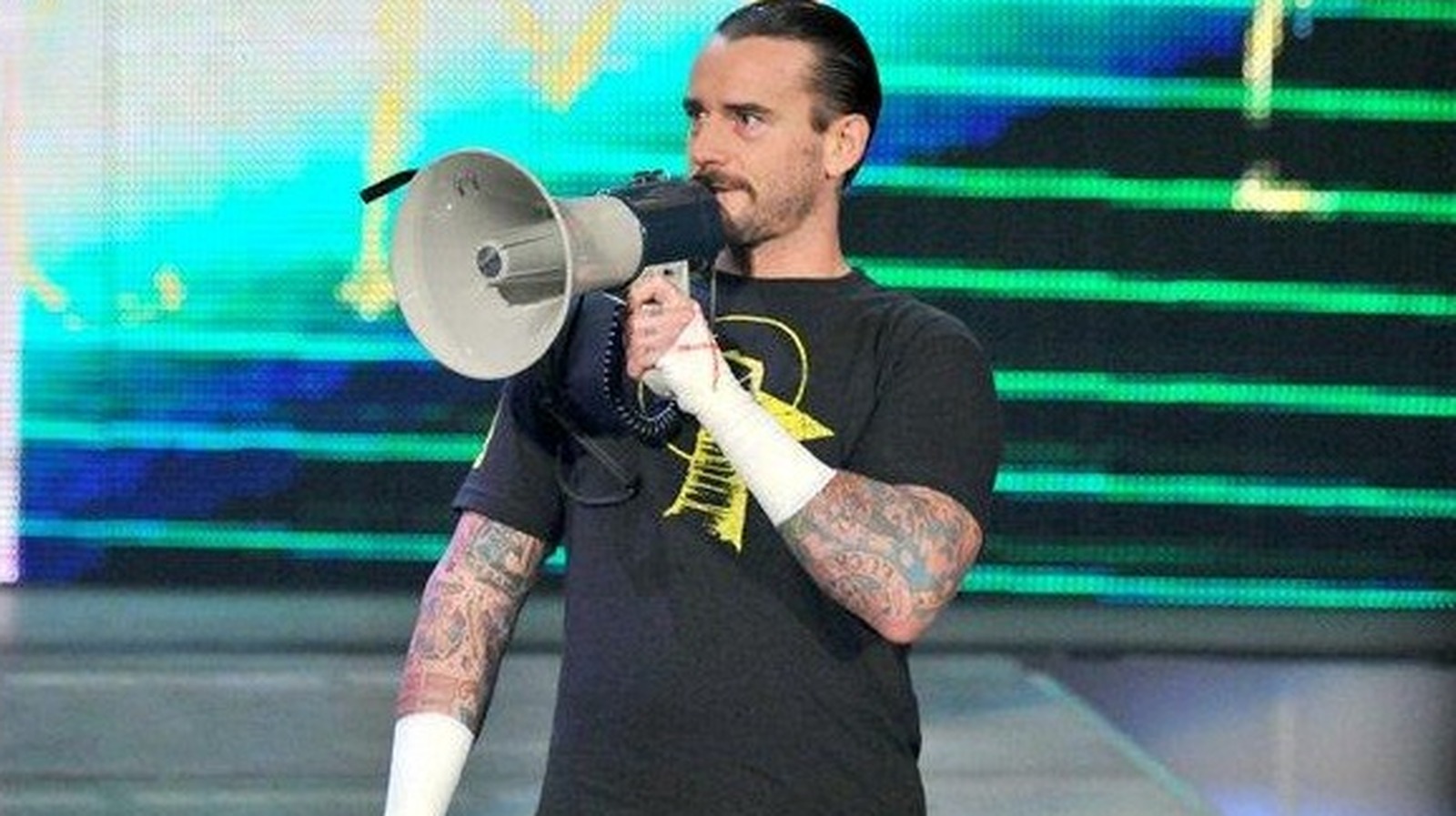
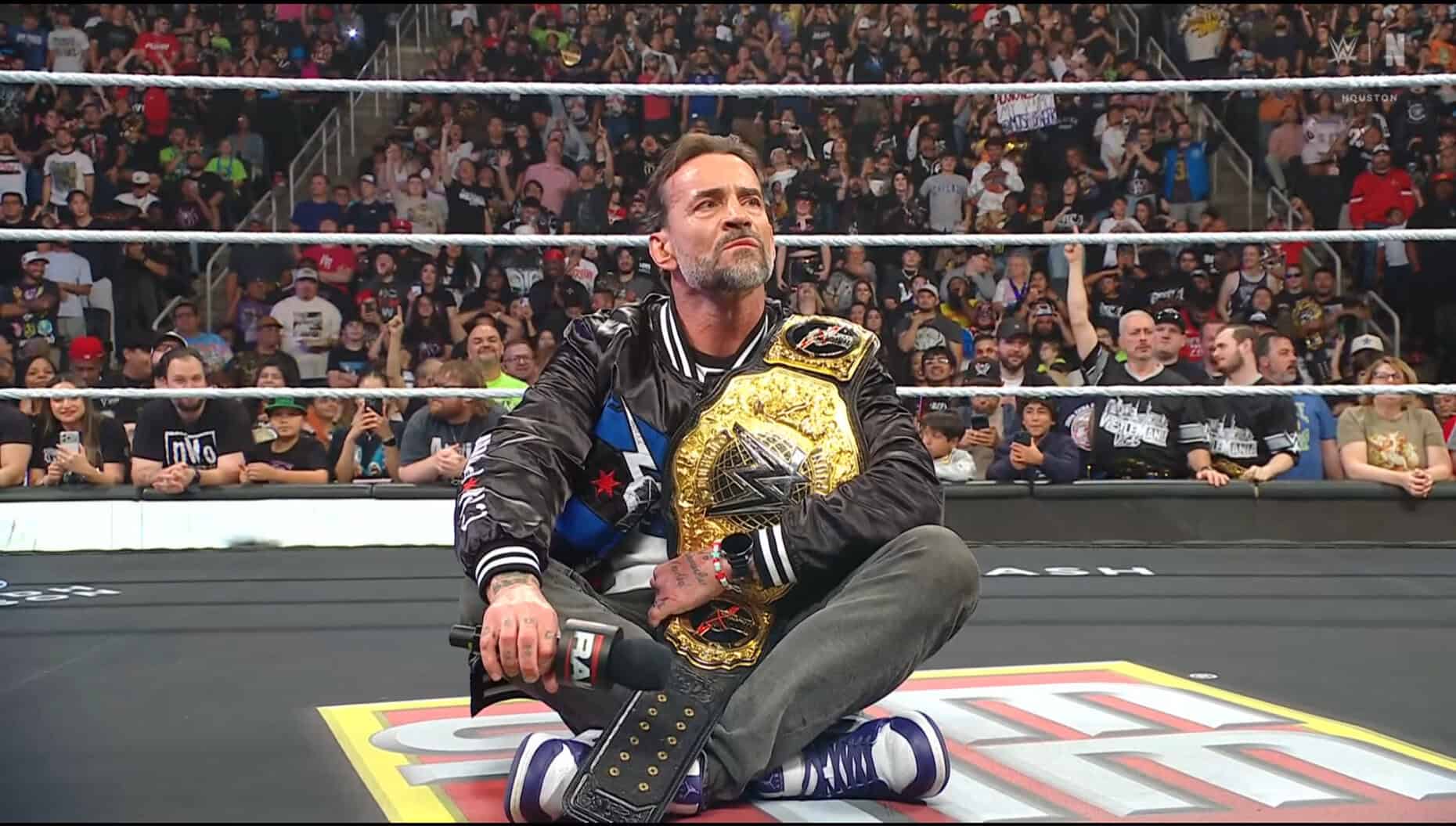
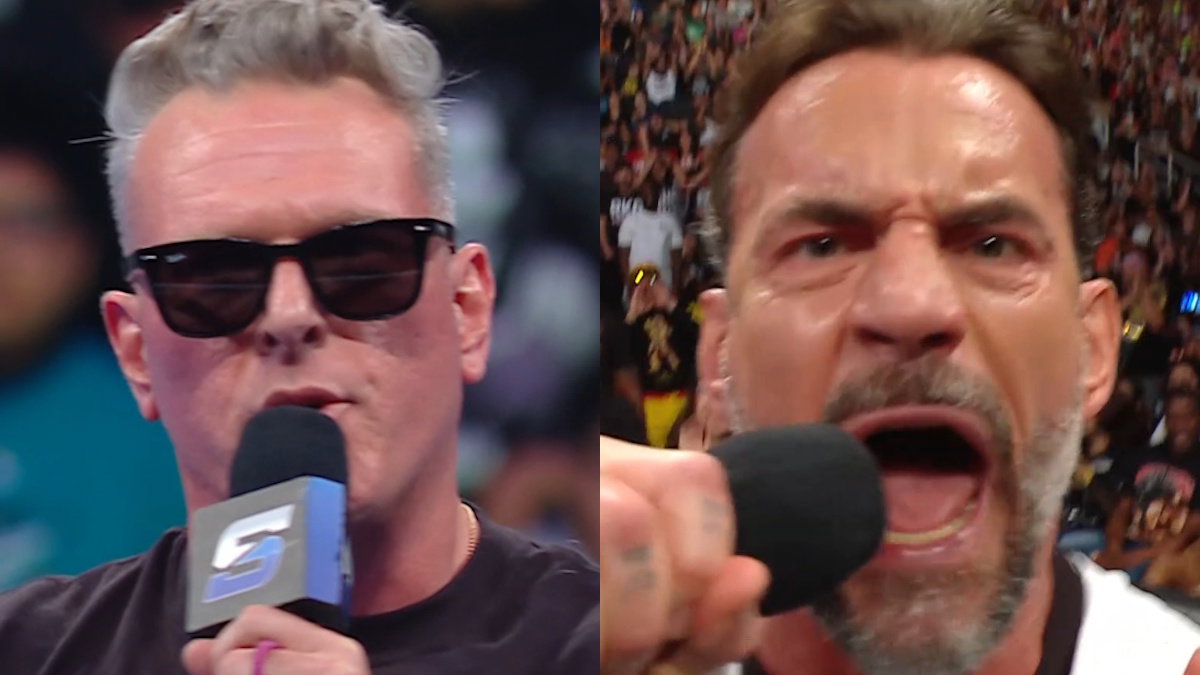
Fans tuned into recent replays of major April events were met with a jarring auditory experience. The iconic strains of AFI’s "Miseria Cantare" during CM Punk’s high-profile entrance were scrubbed entirely, replaced by generic, royalty-free stock music in the official broadcast archives. This recent edit by ESPN highlights the growing friction between legacy music licensing and modern digital distribution.
While the change is purely audio-visual, it signals a deeper issue in how historical content is managed during a busy spring window. With Backlash just days away on May 9, the focus should be on the upcoming card. Instead, the discourse has pivoted to the sanitization of wrestling history. Whether this stems from expired rights agreements or a shift in corporate strategy, the result is a product that feels disconnected from its original atmosphere.
The Timing Problem
May 2026 is already packed with massive industry milestones. The Champions League semi-finals are playing out today, May 5, while wrestling promotions are rushing to finalize their own creative pivots. Promoting a show while simultaneously scrubbing artifacts from events held less than a month ago is a logistical nightmare for production teams.
Historically, music licensing has always been a point of contention. We have seen extensive debates regarding how entrance themes shape the performer's aura. When that theme is replaced by a stock edit, the fan experience suffers. It diminishes the gravity of a main-event level entrance, turning a career-defining moment into something that feels like an afterthought.
Strategic Implications
The industry is operating on thin margins of error this month. AEW is building toward Double or Nothing on May 24, and WWE management is likely focused on the May 9 Backlash event. This mid-cycle period requires precision. When media partners edit content without clear explanations, it fuels unnecessary speculation and fan frustration.
There is also the matter of performance consistency. As noted in archival looks at past promotions, transparency is key to keeping the audience engaged. If fans are watching a premium show, they expect the finished, authentic product, not a low-effort substitute. Replacing a licensed track with stock music is a shortcut that cheapens the presentation quality.
Evaluating the Impact
Professional wrestling relies on the sensory connection between the ring and the audience. Music is arguably 50% of the presentation of an entrance. When you remove a signature song, you are cutting the emotional shorthand between the performer and the fan.
Management needs to address whether these audio edits are a permanent feature of their platform updates. If they intend to keep content on major networks like ESPN long-term, they must negotiate durable rights packages. Anything less is a disservice to the performer who relies on that track to set a specific tone.
Ultimately, this is about brand protection. If the archives are incomplete or heavily altered, they lose value over time. Fans want to see the show exactly as it unfolded. By prioritizing stock audio over original artistic intent, production teams are effectively editing out pieces of their own history. That is a trend that should worry investors and fans alike.
Read Next
- Why Nick LoPiccolo is the wrestling internet's favorite chaos agent
- Backlash Fallout: What's Next for Cody, Punk, and The Bloodline?
- Wrestling fans are tearing each other apart over WWE's biggest "what ifs"
- AEW is facing a critical turning point as media rights talks drag on
- 🏆 WrestleMania 41 — Full Coverage Hub
- 💊 CM Punk WWE 2026 — Best in the World