The Pursuit of the Marquee Match
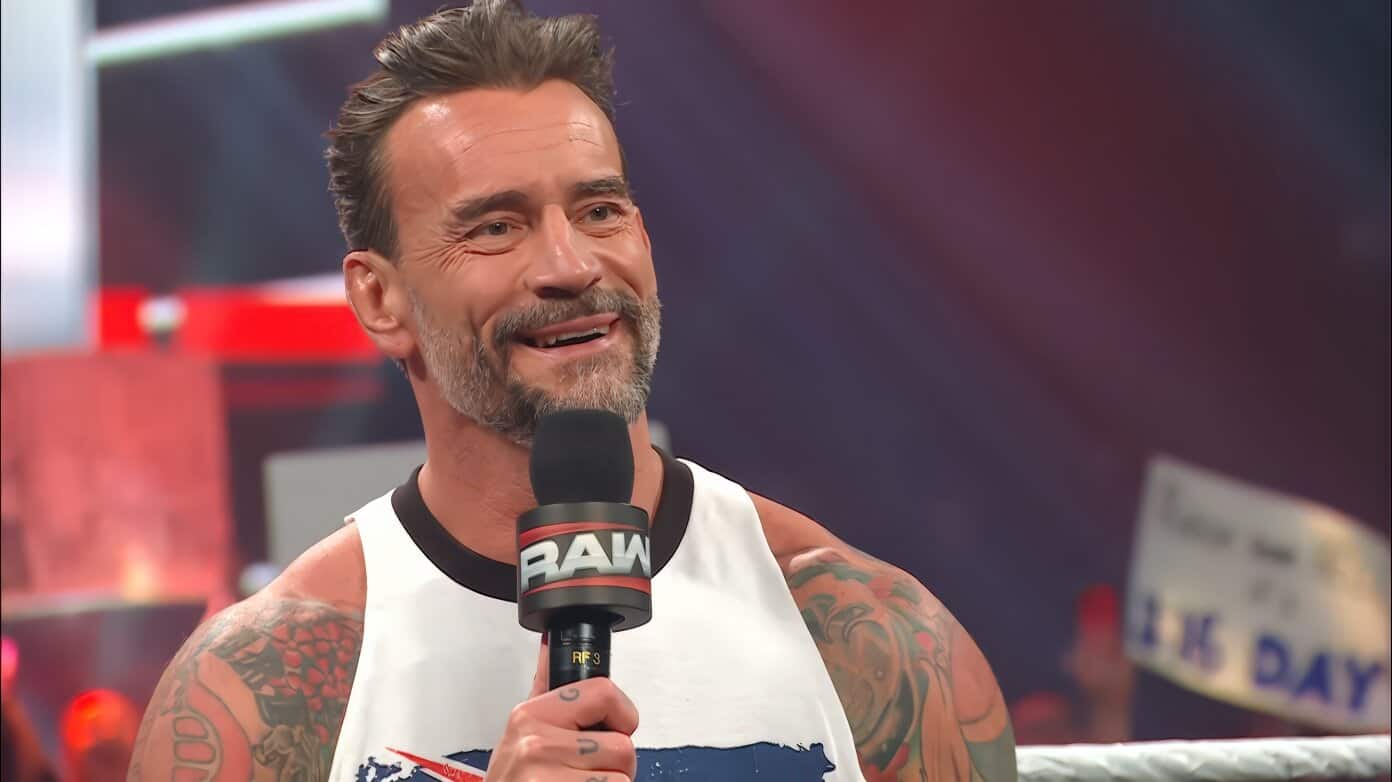
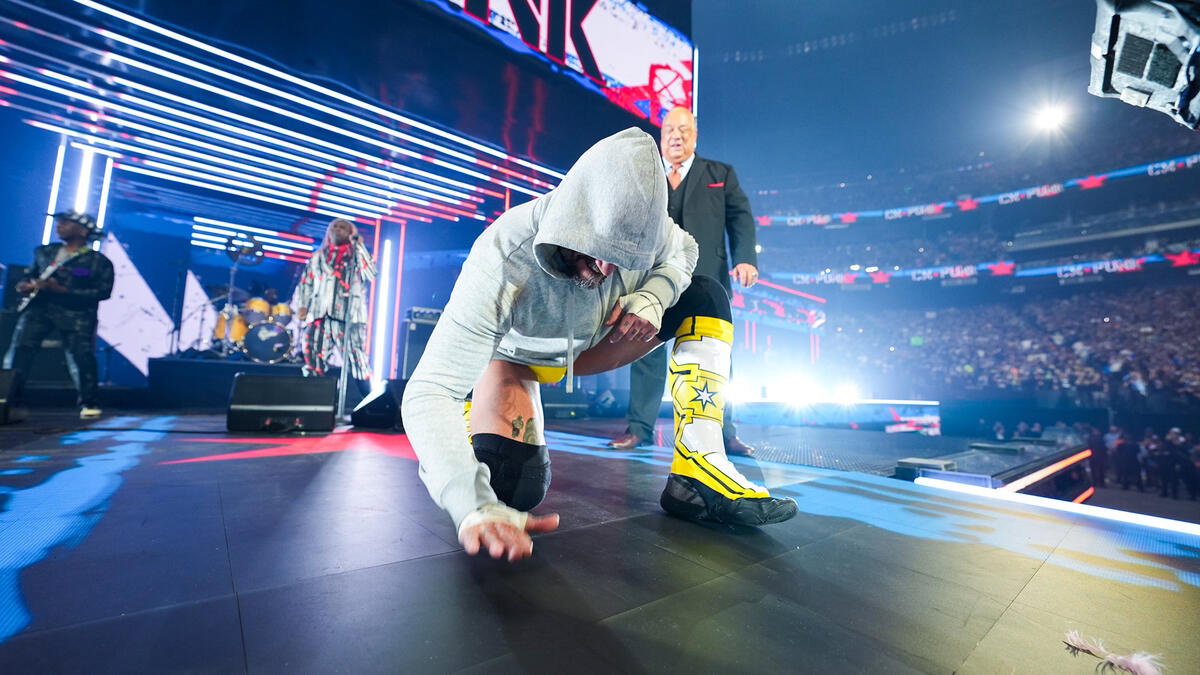
CM Punk is currently navigating the final stretch toward WrestleMania 41, an event he admits carries a different weight in his second tenure with WWE. The former world champion has been vocal about his previous frustrations regarding the marquee spot at the showcase of the immortals. During his initial run, the lack of a prominent closing spot remained a persistent point of contention.
Defining a Legacy
Speaking candidly, Punk revealed that had he achieved his goal of headlining such a massive stage during his first tenure, his career trajectory might have stalled.
If I did that before I left, I probably wouldn't have come back.This perspective sheds light on the creative friction that defined his walkout in 2014. If satisfaction had been granted then, the drive that defined his return years later would have been absent.
The return to the ring has been marked by professional evolution. At the time of his initial departure, the inability to close the show was symptomatic of his broader dissatisfaction with how the company prioritized its top-card performers. Now that he is back, the environment has shifted significantly under the current leadership.
The Reality of the Current Card
While Punk understands the legacy value of the main event, he seems more grounded in the practical output of the product. WrestleMania 41 is just 11 days away, and the card holds high stakes for the entire roster. The focus has moved from personal grudge-holding to elevating the current generation of talent.
However, there remains an undertone of skepticism regarding how WWE manages its top-tier stars. Punk's career has been built on a foundation of outsider energy and disruption. Forcing that into the structure of a modern stadium show is a complex task that occasionally results in uneven booking.
The Risk of Burnout
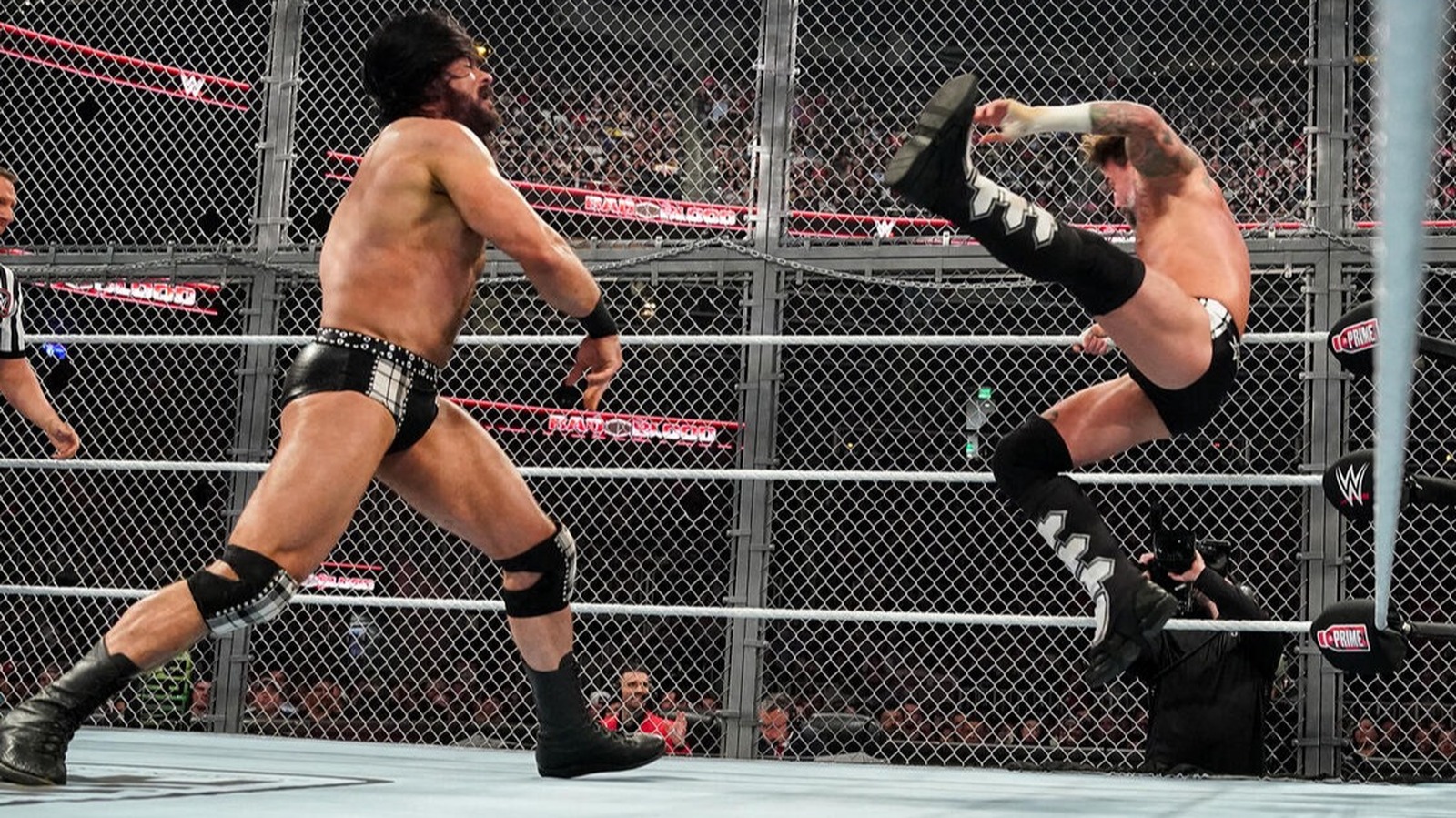
Critics point out that Punk's recent reliance on promo-heavy segments lacks the visceral intensity of his prime in-ring work. His recent bouts have seen a dip in technical fluidity compared to his 2011-2013 output. While the narrative investment is high, the physical demand of navigating back-to-back stadium shows is a legitimate concern.
As WrestleTalk reported, the conversation around the main event spot highlights the evolution of the business. The industry has drifted away from the specific style Punk championed, favoring larger-than-life spectacle over grimy realism. It is a transition he has had to negotiate while nearing the end of his active window.
Looking Toward Mid-April
The immediate attention shifts to the fallout of the go-home shows and the physical preparation for April 19. If Punk fails to deliver a standout performance after months of high-profile build, the scrutiny will intensify. The audience expectation, fueled by his return, is currently at an unsustainable peak.
Management has to weigh his marketability against the long-term health of the roster. With WrestleMania 41 events looming, the margin for error is non-existent. Over-relying on veteran star power is a proven way to stagnate talent growth, a trap WWE arguably fell into during the mid-2010s.
The Post-Mania Outlook
Fans awaiting the aftermath of the event should look toward the build for Backlash on May 9. The outcome of the upcoming weekend will determine if Punk remains in the tier of absolute protagonist or moves into a hybrid role. The industry is currently witnessing a transition phase, and how Punk fits into the wider picture remains the most compelling variable.
The current booking strategy seems to favor grand, cinematic narratives over the raw competitive tension that characterized the Attitude or Ruthless Aggression eras. Whether this shift succeeds will be evaluated immediately following the second night of action on April 20. For now, the narrative holds that if the main event had been granted a decade ago, the current chapter of professional wrestling history would be missing one of its most polarizing lead figures.
Read Next
- CM Punk injury update and the high stakes of WrestleMania 41
- Punk vs. Cena at WrestleMania 41: A Farewell and a Reckoning
- Raw ratings prove that even Roman Reigns can't fix the March doldrums
- WWE’s WrestleMania 41 card is currently at the mercy of the medical team
- 🏆 WrestleMania 41 — Full Coverage Hub
- 💊 CM Punk WWE 2026 — Best in the World