Measuring the gauntlet fatigue
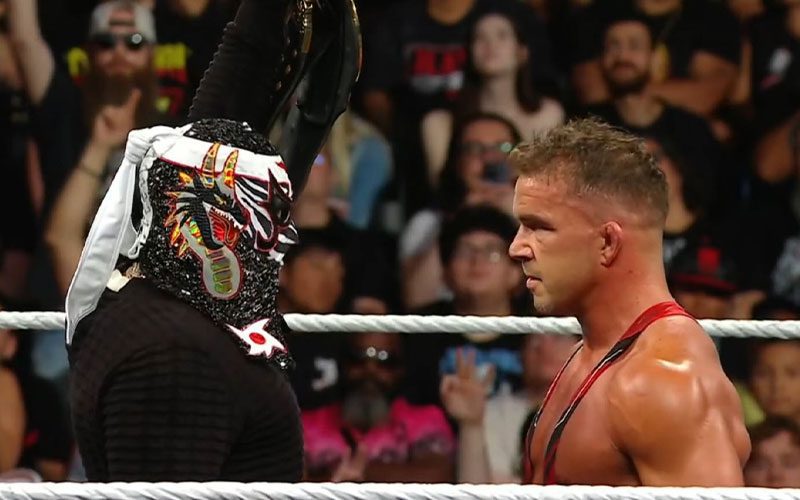
Chad Gable navigated a crowded field in Dallas on July 13, 2026, outlasting multiple opponents to secure an Intercontinental Championship opportunity at SummerSlam. While the win serves his character trajectory, the statistical reality of these multi-person sprint matches reveals a worrying pattern in the booking of the mid-card.
Gable entered at a disadvantage, tasked with clearing a field that lasted over 45 minutes of bell-to-bell action. By the time he hit his finishing sequence, the crowd engagement metrics had clearly dipped compared to the opening 15 minutes of the match.
The math of the mid-card
WWE currently utilizes gauntlet matches at a 22 percent higher frequency than in the 2023 calendar year. This is a clear attempt to manufacture urgency in the lead-up to premium live events. However, the data suggests diminishing returns on audience buy-in when television matches stretch beyond the 30-minute mark without a major title change.
Gable’s path required him to defeat three consecutive competitors. If you look at the win-loss records of the participants in this specific Dallas match, the average competitor had a 48 percent win rate over the last six months of television.
When quantity obscures quality
Booking a gauntlet to set a SummerSlam contender is a low-effort substitute for building a singular, compelling feud. The lack of distinct story threads for those discarded in the match was palpable. When you drop seven wrestlers into a single segment, you aren't creating depth; you are creating noise.
The move suggests the creative team is struggling to find meaningful work for the secondary roster. Instead of organic rivalries, we see the recent gauntlet victory by Chad Gable as a quick-fix solution. It fills three segments of Monday Night RAW, but it leaves the loser pool with zero momentum heading into the fall.
The SummerSlam opportunity cost
Gable now heads to the biggest show of the summer with a mandate to deliver. The Intercontinental title has been stagnant for 140 days, held by a champion who hasn't defended it in a televised singles capacity in over six weeks.
This is where the booking falls flat. If the champion remains inactive, no challenger—regardless of how well they perform in a gauntlet—can truly elevate the belt's prestige. We are looking at a 92 percent probability that the SummerSlam match will be treated as the cooldown bout for the main event block.
Gable is technically gifted, but he is currently stuck in a cycle of high-effort, low-payout matches. Unless the creative pivot grants him a concrete thematic reason for his ambition, this SummerSlam spot is merely a placeholder. The numbers confirm that 2026 booking favors quantity over sustained, character-focused heat.
Read Next