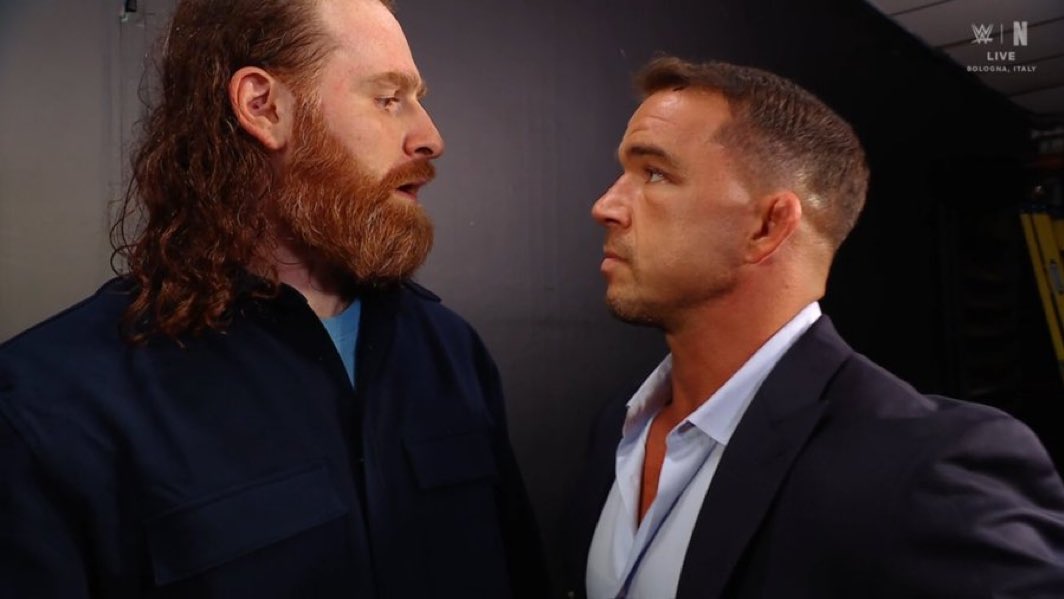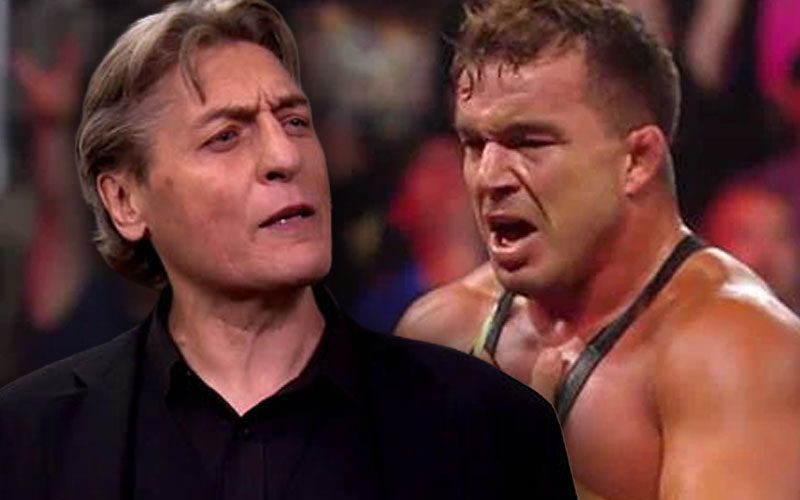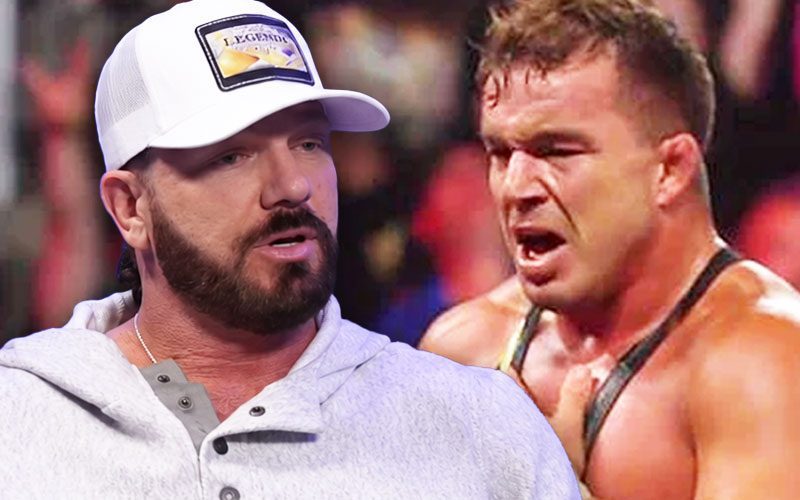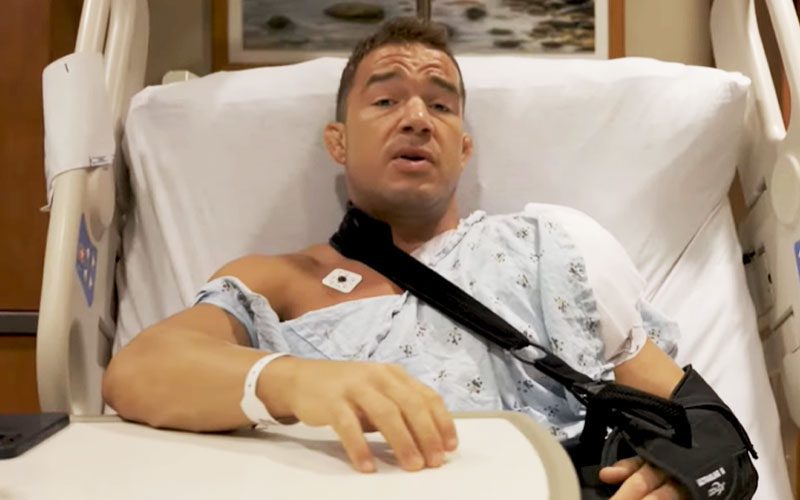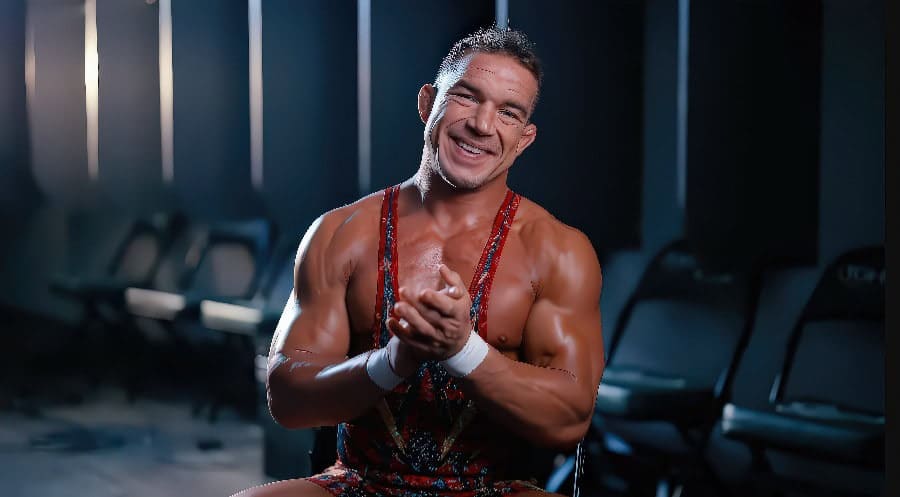
The instability surrounding Chad Gable
Chad Gable currently finds himself in a precarious position as his tenure with WWE approaches a potential breaking point. Recent discussions have shifted away from his technical proficiency in the ring and toward the logistical uncertainty of his professional future. With contract negotiations stalling, the chatter inside the locker room has moved from speculative to serious.
Reports suggest that Gable is evaluating his options outside the WWE system. Hall of Famer Jeff Jarrett recently weighed in on the situation, suggesting that Gable should be prepared for the possibility of life after his current tenure expires. According to coverage on WrestlingNews.co, the momentum suggests that if creative satisfaction isn't met, he will hit the open market. This reflects a growing trend where mid-card technicians hold more leverage than they have in the last decade.
Tactical implications of a departure
Gable is the anchor of the amateur-style technical wrestling presentation WWE has attempted to cultivate. Losing him would create a significant vacuum in the mid-card division. His ability to elevate opponents—seen in his sustained programs with Otis and various contenders—makes him a cornerstone for booking consistent, high-quality television matches. Without him, the show loses a reliable hand capable of anchoring the 15-minute showcase window.
The strategic error here lies in how WWE manages its technical specialists compared to its mainstream attractions. While Gable is valued for his work rate, the company has historically struggled to translate that technical excellence into a credible main event push. We have seen this cycle before with wrestlers like Cesaro or even early-career Bryan Danielson, where the talent is technically superior but trapped in a booking loop. The failure to pull the trigger on a sustained, high-profile push often leads to exactly the leverage negotiations we are seeing now.
Market impact and historical precedent
If Gable departs, he immediately becomes the most sought-after free agent for promotions like AEW or TNA. His signature blend of mat wrestling and high-impact offense fits perfectly into rosters that prioritize work-rate-heavy bouts. Historically, when talents of Gable's caliber leave the WWE, they have used the move to redefine their character work and secure better financial terms elsewhere. It is a playbook for re-establishing value in a crowded sports entertainment field.
The irony is that WWE currently places a high premium on "authentic" athleticism, yet struggles to keep the very people who embody that style once their contracts approach the final year. The contract window for workers in this segment of the card is shorter, and the turnover is higher. If this follows the pattern of previous departures, expect to hear about interest from multiple promotions by the time the summer touring season concludes.
The creative bottleneck
The core issue remains disjointed creative direction. Using Gable to cycle through various gimmicks and partner changes has yielded diminishing returns. A wrestler of his technical pedigree creates a specific kind of frustration when relegated to a supportive role rather than a feature spot. When a performer reaches a technical ceiling, they require a clear path to the upper bracket to justify staying put. When that path is blocked by legacy stars or rotating part-timers, stagnation becomes inevitable.
This case serves as a reality check for the promotion. You cannot rely indefinitely on technical workers to carry the work rate of a three-hour broadcast without providing equivalent narrative stakes. If the company loses a talent like Gable, it’s not just a blow to the roster depth—it’s an admission that the current system lacks the capacity to monetize elite-level consistency. The next 60 days will be critical in deciding whether he secures his position or takes a walk to test his worth elsewhere.