A Crushing Blow Before Vegas
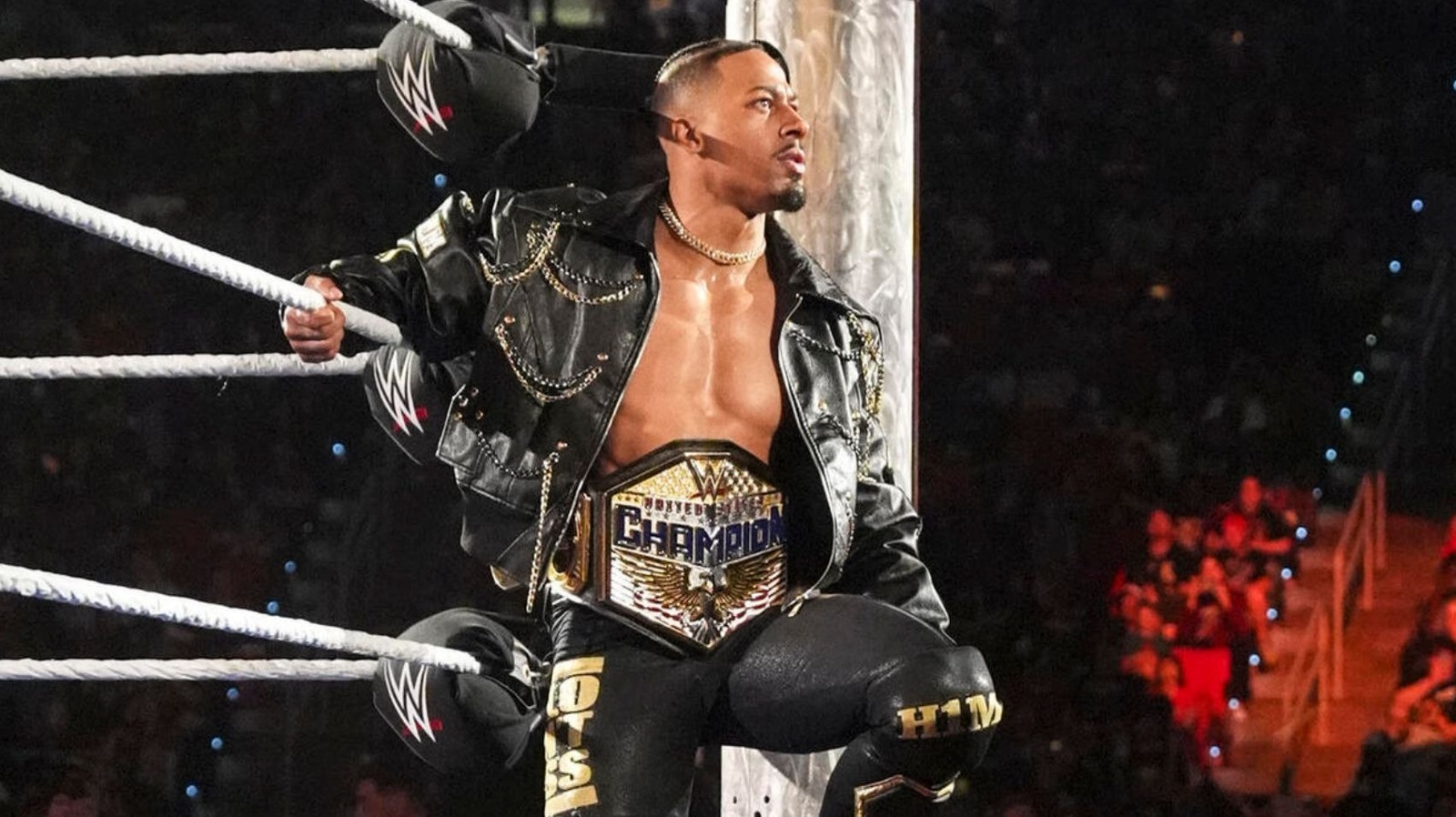
Carmelo Hayes is walking into the weekend without his United States Championship. The March 27 episode of SmackDown delivered a shock to the system for the former champion. Losing a title is a standard occupational hazard in this industry.
Dropping it in late March, with Allegiant Stadium looming on the horizon, is an entirely different level of setback. Wrestlers build their entire calendar around WrestleMania. They peak physically and mentally for the spring.
Hayes had clearly tailored his training camp, his diet, and his recovery cycles to enter Las Vegas as a defending champion. That plan is now completely shattered. WWE confirmed during the Friday broadcast that a new title match has been officially added to the WrestleMania 41 card.
Hayes is currently on the outside looking in. The immediate fallout has been intensely controversial across the locker room.
Bishop Dyer Speaks Out
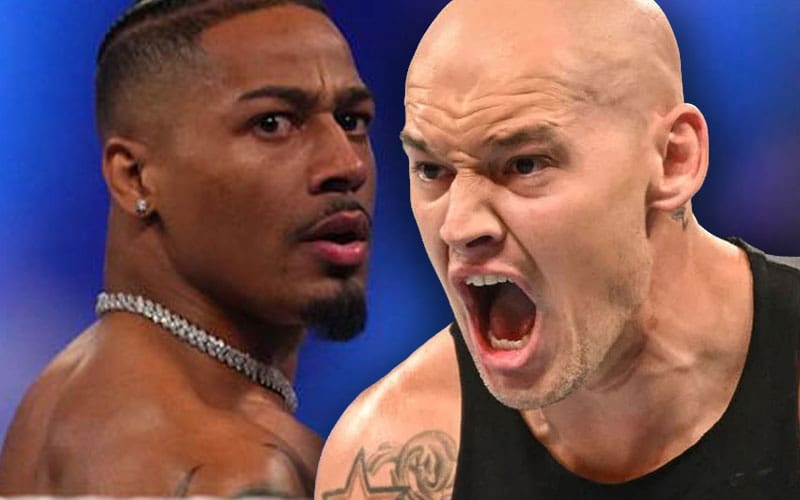
Former champion Bishop Dyer wasted no time addressing the situation following the broadcast. Dyer publicly defended his peer, making it clear where he stands on the booking decision.
Carmelo Hayes got screwed. He deserves a Mania match.
Hearing a peer speak out so bluntly is rare. It points to a deeper frustration within the locker room regarding how late-season scheduling is managed. Dyer’s comments highlight a real tension between the talent and the front office.
When a performer grinds through the winter months, defending a secondary title on untelevised house shows and keeping the division relevant, there is an expectation of a payoff. Stripping Hayes of the championship right before the Las Vegas showcase is a brutal, calculated decision by WWE management.
The Physical Reality of the Road to WrestleMania
The physical demands of a late-March title defense are immense. Defending a championship on weekly television requires a performer to push through lingering minor injuries and accumulated fatigue. By this point in the season, most wrestlers are carefully managing their workloads.
They want to avoid a major tear, a joint sprain, or a concussion that could rule them out of April entirely. Hayes was forced to compete at a pay-per-view intensity level on free television. This takes a severe, measurable toll on the human body.
A high-stress, high-impact match drains the central nervous system. Recovery from a championship bout typically requires several days of managed rest, ice therapy, and targeted soft-tissue work. The body releases a massive amount of cortisol during these high-stakes moments.
When you lose the match and the title, the physical exhaustion is compounded by the sudden removal of your primary motivation. The adrenaline crash is real. It leaves wrestlers highly susceptible to illness or compensatory muscle strains in the immediate aftermath.
You prepare your body to go twenty minutes in a stadium, only to have the rug pulled out from under you on a Friday night. This is exactly why late-season booking changes are universally dreaded by the talent.
Tactical Fallout for the SmackDown Roster
WWE’s decision to execute this title change on the March 27 SmackDown completely reshapes the roster depth. The midcard is suddenly in flux. A new champion means new challengers, and the creative team has hastily inserted a new title match into the WrestleMania lineup.
This kind of rushed, reactionary booking rarely produces a classic match. It feels like a panic move from a creative team that failed to map out a coherent long-term strategy for the division. You cannot microwave a WrestleMania feud in three weeks and expect the crowd to invest.
Hayes elevated the work rate of the United States Championship picture. His matches were physically demanding, technically precise, and paced perfectly. Removing him from the equation fundamentally lowers the overall athletic standard of the upcoming card.
The creative team has backed themselves into a corner here. They took one of their most reliable in-ring workers and removed his clear path to the event. The rest of the locker room now has to adjust.
Opponents who might have been preparing to face Hayes in a multi-man scramble or a ladder match must pivot their own training. Every time a major piece is moved on the board, it causes a ripple effect through the entire locker room. Timing and chemistry take months to build.
Throwing a new combination together with just three weeks to prepare is a recipe for sloppy execution and potential in-ring accidents. Matches are built on trust and physical repetition. When you alter the participants at the eleventh hour, the risk of a blown spot or a catastrophic landing skyrockets.
Training Camp Adjustments
The medical and fitness reality of this situation cannot be overstated. Hayes has essentially completed a full training camp for a fight that he will no longer have. Fighters in mixed martial arts or boxing constantly talk about the dangers of an aborted training cycle.
Your body is primed for peak performance, and suddenly you have to power down. This can lead to rapid deconditioning if the transition is not managed perfectly by the coaching and medical staff. Hayes and his performance team now have to dramatically pivot.
They need to adjust his macro-cycles immediately. Instead of tapering for a marquee singles match on April 19 or 20, he must figure out how to stay sharp without burning out. He was likely entering his peak cardiovascular conditioning phase, optimizing his endurance for a grueling main card bout.
If he ends up thrown into a pre-show battle royal, that requires an entirely different energy system. A battle royal is about bursts of strength, isometric holds, and surviving awkward collisions.
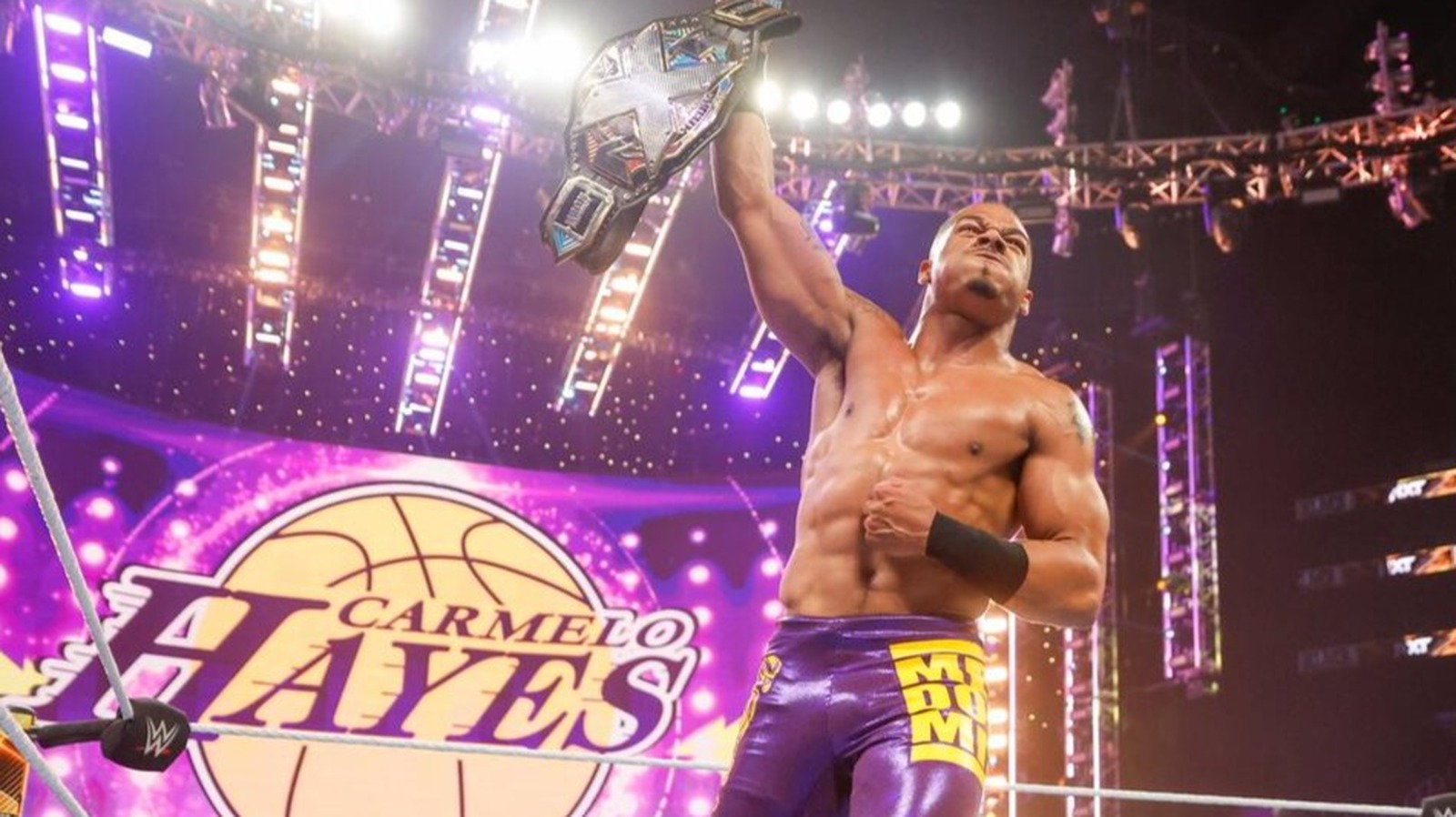
You cannot seamlessly switch from preparing for a twenty-minute showcase built around hitting a Nothing But Net off the top rope to a chaotic multi-man brawl. A standard championship bout relies more on sustained aerobic endurance, pacing, and executing precise sequences. Changing the physical requirements overnight increases the risk of a soft-tissue injury.
The Risk of Overtraining
Going forward, the WWE medical team will need to monitor Hayes closely. The risk of actual physical injury sharply increases when a performer loses their scheduled spot. Wrestlers often overtrain out of sheer frustration.
They hit the gym too hard, lift too heavy, or take unnecessary risks during televised matches to prove they still belong in the main picture. The training staff must ensure he does not push his body past its limits in a misguided attempt to force management's hand.
History shows that wrestlers who drop titles right before a major event often struggle to regain their momentum. The physical drop-off is matched by a significant mental hurdle. It is incredibly difficult to get back into the performance center and push through a grueling conditioning session when your promised spotlight has been revoked.
If Hayes is left off the WrestleMania card entirely, he will have essentially missed the climax of his professional year. He won't miss the matches due to a torn ACL, a separated shoulder, or a blown quad. He is missing the event because of a front-office decision that prioritized a quick television rating over long-term storytelling.
In the grueling world of professional wrestling, a political benching hurts just as much as a physical injury. The recovery time, however, is far less predictable. A muscle tear heals on a set timeline, but rebuilding a damaged main-event push can take years. Hayes has the natural athleticism to bounce back, but this decision remains a massive, unforced error by WWE.
Read Next
- Stripping Carmelo Hayes of the US Title right before Mania is peak stupidity
- Carmelo Hayes just flipped the WrestleMania 41 card upside down
- Carmelo Hayes' open challenge was a tactical disaster
- Carmelo Hayes just learned the hard way that Trick Williams never forgets
- 🏆 WrestleMania 41 — Full Coverage Hub