The debut under the bright lights
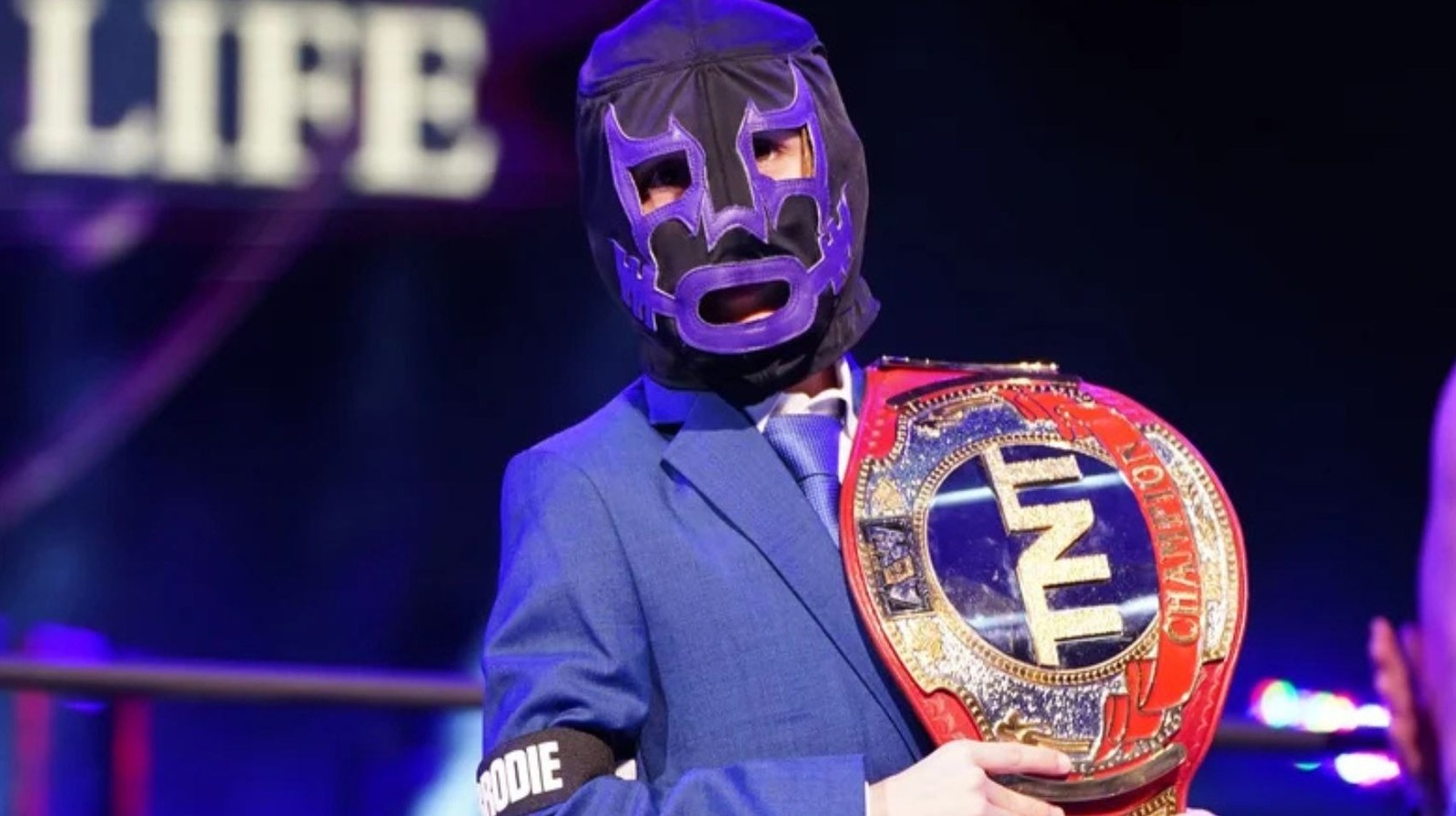
Brodie Lee Jr. stepped into the squared circle for his professional debut at age 14, marking a pivotal moment for the next generation of performers. The match, contested under the GCW banner, functioned as more than a standard opening bout. It served as a tactical homage to the wrestling lineage he carries.
The performance included calculated nods to the legacies of his late father, Brodie Lee, and WWE luminary Bray Wyatt. For fans conditioned by industry history, the parallels were immediate. As Wrestling Inc reported, the debut successfully balanced tribute elements with the high-stakes pressure of a first professional outing.
The heat behind the signature move
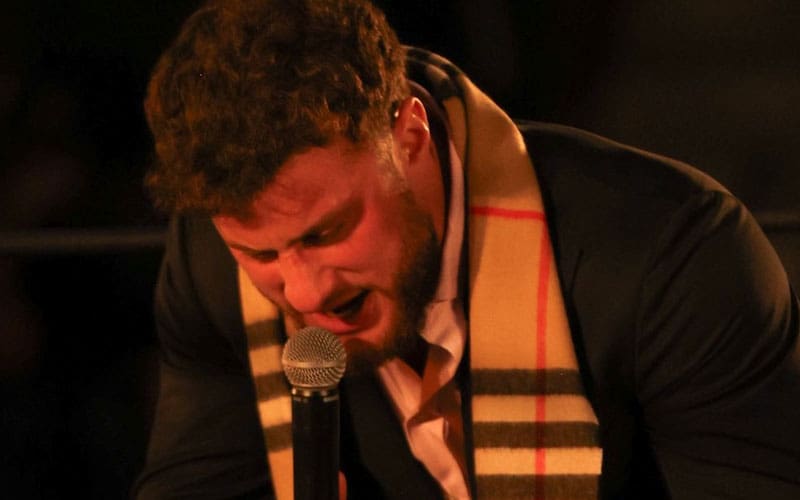
Controversy arrived quickly when the younger wrestler utilized the Heatseeker, a signature maneuver associated with MJF. The reaction from the AEW staple was immediate and sharp. MJF channeled his standard persona, issuing a public threat regarding the unauthorized use of his move set.
This friction highlights a recurring issue in professional wrestling: the ownership of moves and the blurred lines between imitation and disrespect. MJF has built a career on being volatile, ruthless, and unapologetic. His decision to target a 14-year-old on social media, however, represents a specific kind of aggressive booking tactic designed to garner engagement through real-world tension.
Reflecting on a lost era
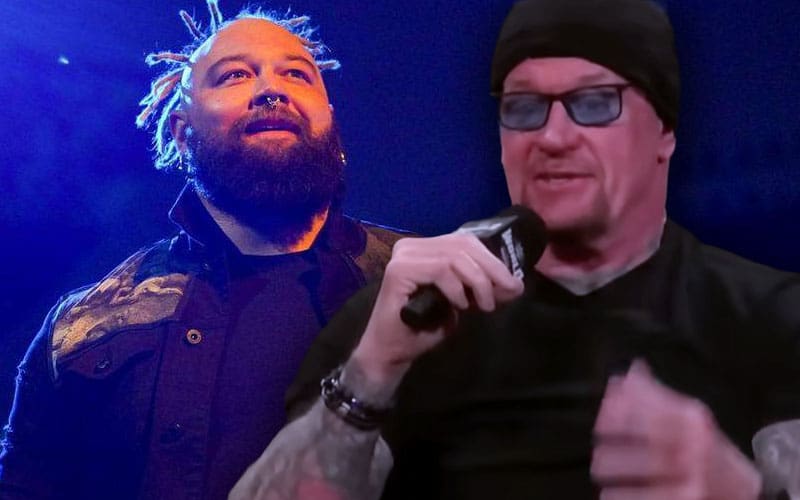
The conversation surrounding the debut is inseparable from the industry's recent history. The Undertaker recently provided public commentary on the potential Bray Wyatt left on the table. According to WrestlingNews.co, the Hall of Famer noted that Wyatt had only begun to scratch the surface of his professional potential before his untimely passing.
This perspective adds weight to any tribute performed in the ring today. When young talent incorporates these mannerisms, they are not just performing moves; they are engaging with a mourning audience. The sentiment is clear: the industry is still processing the void left by performers like Wyatt.
Strategic implications of the rivalry
By inserting himself into the discourse surrounding a debutant, MJF ensures his own visibility remains high, even when he is away from his primary promotion. This is a classic move from the playbook of modern star-making, where the internet serves as a secondary ring. However, the optics of a veteran engaging a teenager are mixed.
Some view this as effective character work, maintaining his status as the most detestable figure in the industry. Others see it as a missed opportunity to allow the next generation a clean slate. The booking of such interactions often risks overshadowing the match quality itself. If the industry becomes too focused on meta-commentary, the actual artistry of the wrestling risks being relegated to a secondary status.
As we watch the development of these younger performers, the transition from legacy tributes to independent character growth remains the primary obstacle. Balancing these tributes while establishing personal identity will determine his long-term viability in the ring. The industry has seen many second-generation performers struggle to outrun the echoes of their family names. Whether this debut signals a genuine breakout or a long period of mimicking the past will be decided by the creative decisions made in the next 12 months.