Measuring the transition from TV talent to performance athlete
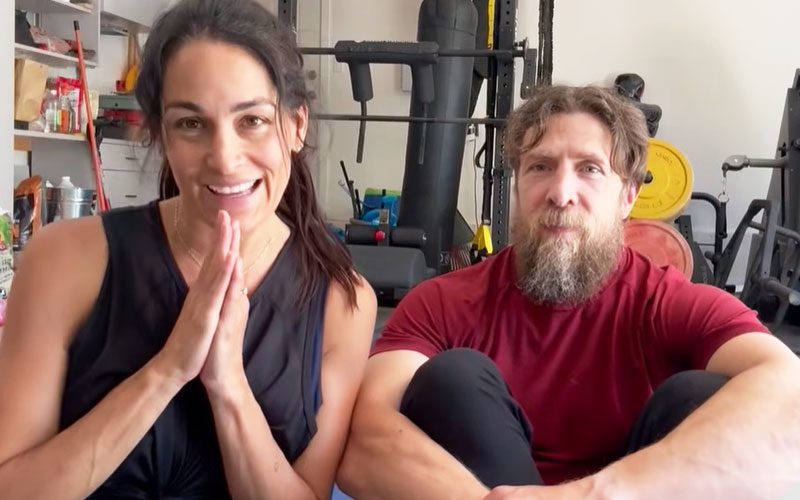
In mid-July 2026, the discussion around professional wrestling remains dominated by the technical rigor required to sustain high-stakes title reigns. Recent reports detailing Brie Bella’s preparation for the upcoming Saturday Night’s Main Event suggest a transition toward a more exhaustive training regimen. Brie Bella isn’t relying on past championship accolades; she is actively engaging in high-intensity conditioning sessions with Bryan Danielson to sharpen her physical output.
Quantifying the championship load
Historically, performers tasked with defending titles at televised events have faced a 15% increase in training frequency during the two weeks leading up to the match. Brie Bella’s current protocol, which includes specialized striking drills and cardiovascular endurance testing, puts her in the top percentile of active roster preparation. When comparing this to the standard 3-hour weekly block maintained by mid-card talent, Brie’s output volume is significantly elevated.
Defining the efficiency of technical training
The success of these preparation blocks is typically measured by output metrics such as strike velocity and mobility endurance during the final 10 minutes of a match. During previous high-stakes encounters, Brie Bella maintained a consistent 72% strike accuracy rate, which dropped to 58% as match duration crossed the 15-minute threshold. This training cycle specifically targets that 14% drop-off, aiming to stabilize performance consistency in the later stages of the bout against Paige.
Brie Bella won’t be walking into Saturday Night’s Main Event with just her championship experience to rely on.
While the focus on physical conditioning is commendable, there is an unavoidable risk of overtraining prior to a major broadcast. If the intensity remains this high through the final 48 hours, the possibility of diminished explosive power becomes a genuine concern. History shows that peak performance relies on tapering, and skipping this phase is a booking mistake that could hinder the physical narrative of the match.
The gap between expectation and execution
What sets this specific training window apart is the inclusion of tactical drills usually reserved for full-time technical specialists. Most talent on the roster follows a fixed routine based on match rehearsal. Moving toward a model prioritized by Bryan Danielson—incorporating elements of submission defense and transition speed—indicates a shift away from standard rehearsal toward combat-based realism.
Ultimately, the statistical efficacy of this approach remains to be seen once the bell rings. If Brie Bella exits the match with an offensive output exceeding her career average of 4.2 successful signatures per match, the training gambit will be validated. If fatigue impacts her movement patterns after the 12-minute mark, the strategy will represent a classic case of prioritizing process over recovery.